


Winemaker Notes
The 2022 harvest gave birth to a Barbera d'Alba Bricco dei Merli that makes finesse its signature. It is a wine in which the notes of dark and ripe cherry blend masterfully with spicy and herbaceous hints, in particular of cinchona and ink. On the palate, it is enveloping and particularly gastronomic, because of its energy and its vibrant freshness.
Professional Ratings
-
Jeb Dunnuck
A youthful magenta color, the 2022 Barbera d'Alba Bricco Dei Merli comes from vines just below the cellar in Novello at 400 meters elevation and saw a classic fermentation with 10-day maceration followed by one year in large Slavonian oak barrels. The nose is fruity and elegant, with ripe notes of red plum, raspberry, fresh flowers, and purple floral perfume. The palate is surprisingly zesty and refreshing in this vintage, which was marked by draught and heat, and boasts fine tannins and a clean finish.
-
Robert Parker's Wine Advocate
The Elvio Cogno 2022 Barbera d'Alba Bricco dei Merli was born in a hot vintage, and that fact does not go unnoticed. The aromas are a bit cooked, with blackberry preserves and a touch of black olive. There is scorched earth, baked clay and dried plum. It ferments in stainless steel and then sees 12 months in large oak casks. This Barbera offers a medium-rich mouthfeel.
-
Wine Spectator
This is racy and focused, offering raspberry, cherry and boysenberry flavors. A firm line of tannins lends support as this extends on the fruity aftertaste. Drink now through 2029. 830 cases made, 250 cases imported.
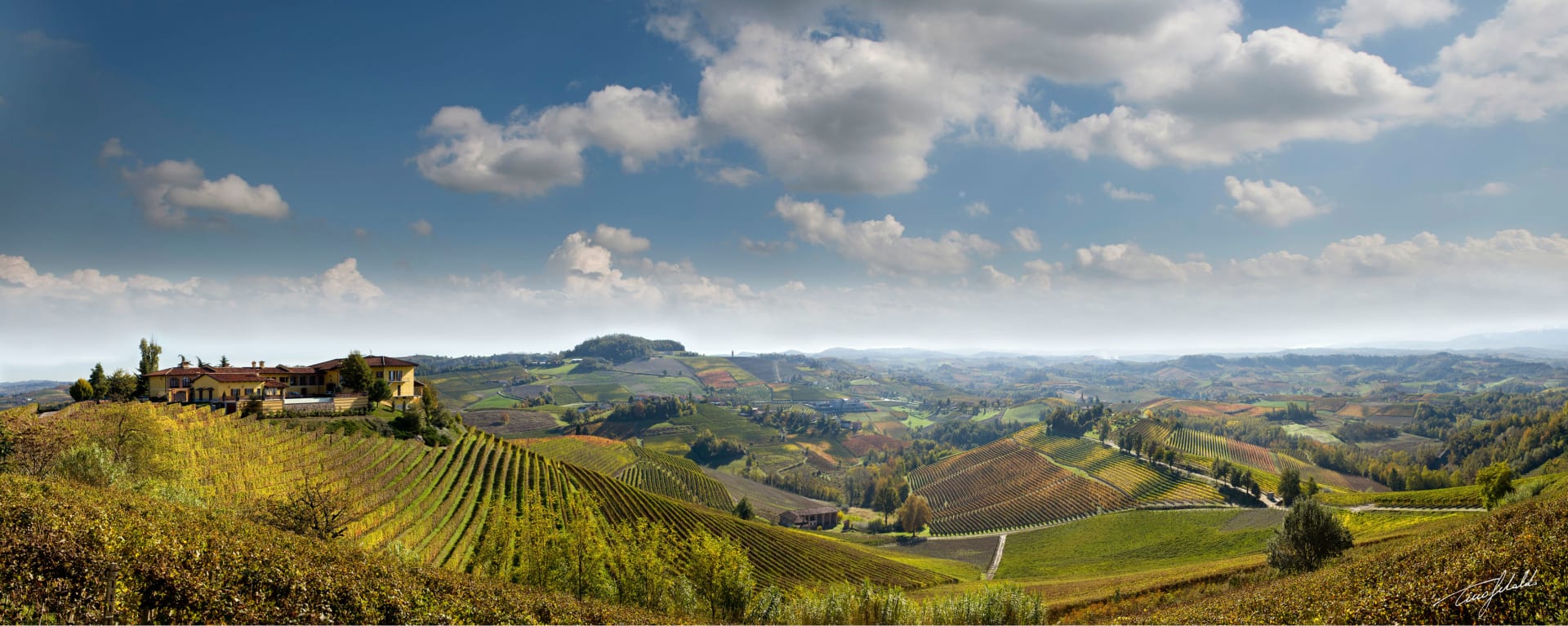


The Cogno family has been making wine for four generations in Piedmont. In 1990, Elvio Cogno left a long and fruitful partnership with the venerable Barolo producer Marcarini at La Morra and bought a splendid, historic 18th-century farmhouse on the top of Bricco Ravera, a hill near Novello in the Langhe area. (Novello is one of the 11 communes in which Barolo is produced.) The farm was surrounded by 11 hectares (27.18 acres) of steeply sloped vineyards. Elvio restored the manor, converted the old granaries to wine cellars and founded his eponymous winery. For the next 20 years he devoted himself to the winemaking traditions handed down to him by his father and grandfather.
Elvio, in turn, has now passed the torch to his daughter, Nadia, and her husband, Valter Fissore, who has worked beside Elvio for 25 years. Following in the footsteps of Elvio the maestro, Elvio Cogno winery continues to produce elegant wines without altering the traditions, styles and flavors of the Langhe, with its breathtaking quilted landscape and unique grape varieties.
The Elvio Cogno winery sits at the top of Bricco Ravera, a hill near Novello in the Langhe area of Piedmont, one of the 11 communes in which Barolo is produced. Ravera is the finest cru of Novello, encircling the top of the hill and the winery, reaching a 380-meter (1,246-foot) elevation, with breathtaking views in all directions.

Friendly and approachable, Barbera produces wines in a wide range of styles, from youthful, fresh and fruity to serious, structured and age-worthy. Piedmont is the most famous source of Barbera; those from Asti and Alba garner the most praise. Barbera actually can adapt to many climates and enjoys success in some New World regions. Somm Secret—In the past it wasn’t common or even accepted to age Barbera in oak but today both styles—oaked and unoaked—abound and in fact most Piedmontese producers today produce both styles.

An historic village situated right in between the famous regions of Barolo and Barbaresco, Alba is also the name for the larger wine region surrounding the village.
In a sense, “Alba” is a catch-all phrase, and includes the declassified Nebbiolo wines made in Barolo and Barbaresco, as well as the Nebbiolo grown just outside of these regions’ borders. In fact, Nebbiolo d’Alba is a softer, less tannic and more fruit-forward wine ready to drink within just a couple years of bottling. It is a great place to start if you want to begin to understand the grape. Likewise, the even broader category of Langhe Nebbiolo offers approachable and value-driven options as well.
Barbera, planted alongside Nebbiolo in the surrounding hills, and referred to as Barbera d’Alba, takes on a more powerful and concentrated personality compared to its counterparts in Asti.
Dolcetto is ubiquitous here and, known as Dolcetto d'Alba, can be found casually served alongside antipasti on the tables of Alba’s cafes and wine bars.
Not surprisingly, given its location, Alba is recognized as one of Italy’s premiere culinary destinations and is the home of the fall truffle fair, which attracts visitors from worldwide every year.