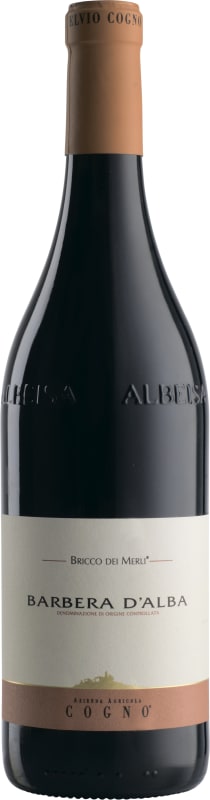


Winemaker Notes
Bright ruby red in color with clear crimson highlights. Deep, fully perfumed, elegant and well-balanced with reminiscent of roses, undergrowth, wild berries and oriental spices. A powerful bouquet, sweetened by overall softness. Fine structure accompanied by vibrant freshness. Flavors evoke Morello cherries and plum jam with a long finish of raisins.
Professional Ratings
-
Wine Enthusiast
Starting with its bright ruby color to its long-lasting finish, this is a classic Barbera. Aromas of bright tart cherries and wild raspberries mixed with fresh herbs and forest floor. The palate is electric with vibrant acidity, amazing texture and wild fresh plums mixed with deep earthy notes
-
Robert Parker's Wine Advocate
In a production of 10,000 bottles, the 2020 Barbera d'Alba Bricco dei Merli is broad, rich and generous. There is plenty of meat on these bones, and the wine is capped off by sweet notes of blackcurrant or blackberry confit. You might also recognize some baked cherry that characterizes the vintage. The grape's acidity is softened in this hot vintage.
-
Wine Spectator
A supple, even creamy texture embraces the blackberry, plum and leather flavors in this concentrated red. Firms up, with well-meshed tannins flexing on the finish. Drink now.
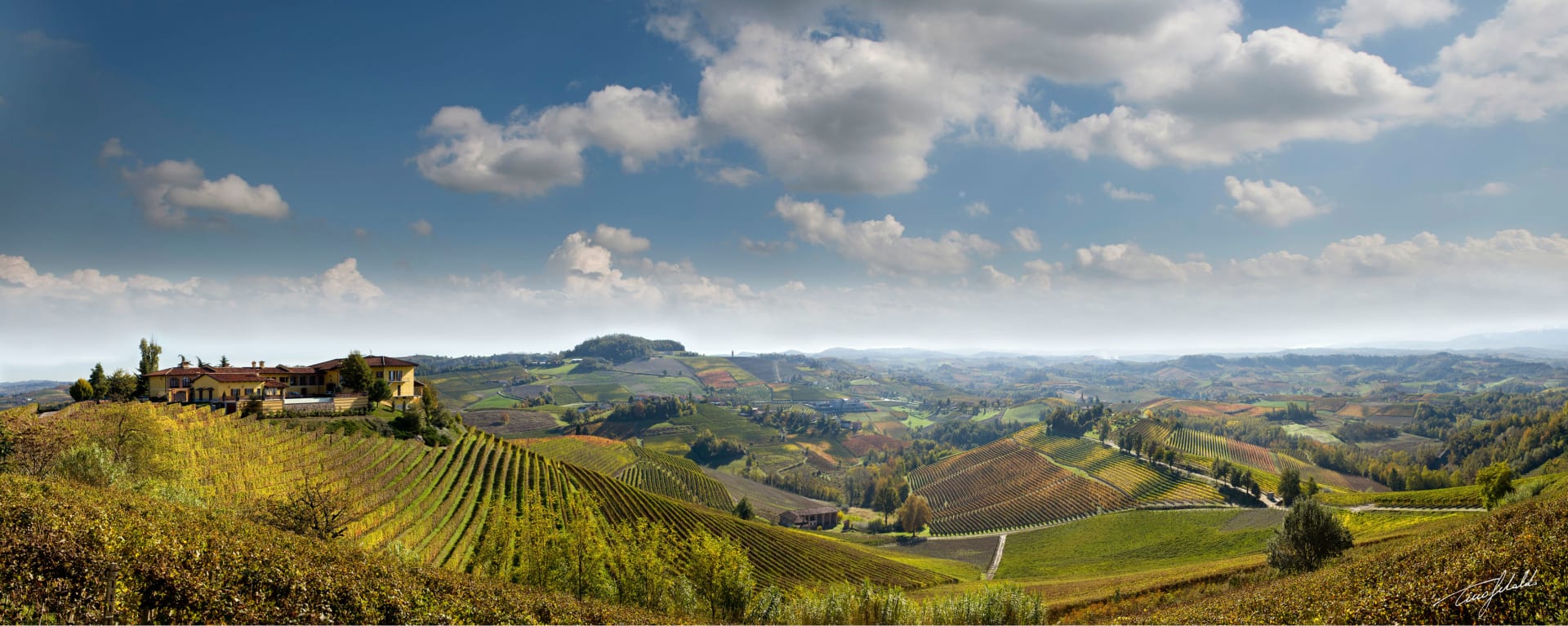


The Cogno family has been making wine for four generations in Piedmont. In 1990, Elvio Cogno left a long and fruitful partnership with the venerable Barolo producer Marcarini at La Morra and bought a splendid, historic 18th-century farmhouse on the top of Bricco Ravera, a hill near Novello in the Langhe area. (Novello is one of the 11 communes in which Barolo is produced.) The farm was surrounded by 11 hectares (27.18 acres) of steeply sloped vineyards. Elvio restored the manor, converted the old granaries to wine cellars and founded his eponymous winery. For the next 20 years he devoted himself to the winemaking traditions handed down to him by his father and grandfather.
Elvio, in turn, has now passed the torch to his daughter, Nadia, and her husband, Valter Fissore, who has worked beside Elvio for 25 years. Following in the footsteps of Elvio the maestro, Elvio Cogno winery continues to produce elegant wines without altering the traditions, styles and flavors of the Langhe, with its breathtaking quilted landscape and unique grape varieties.
The Elvio Cogno winery sits at the top of Bricco Ravera, a hill near Novello in the Langhe area of Piedmont, one of the 11 communes in which Barolo is produced. Ravera is the finest cru of Novello, encircling the top of the hill and the winery, reaching a 380-meter (1,246-foot) elevation, with breathtaking views in all directions.

Friendly and approachable, Barbera produces wines in a wide range of styles, from youthful, fresh and fruity to serious, structured and age-worthy. Piedmont is the most famous source of Barbera; those from Asti and Alba garner the most praise. Barbera actually can adapt to many climates and enjoys success in some New World regions. Somm Secret—In the past it wasn’t common or even accepted to age Barbera in oak but today both styles—oaked and unoaked—abound and in fact most Piedmontese producers today produce both styles.

An historic village situated right in between the famous regions of Barolo and Barbaresco, Alba is also the name for the larger wine region surrounding the village.
In a sense, “Alba” is a catch-all phrase, and includes the declassified Nebbiolo wines made in Barolo and Barbaresco, as well as the Nebbiolo grown just outside of these regions’ borders. In fact, Nebbiolo d’Alba is a softer, less tannic and more fruit-forward wine ready to drink within just a couple years of bottling. It is a great place to start if you want to begin to understand the grape. Likewise, the even broader category of Langhe Nebbiolo offers approachable and value-driven options as well.
Barbera, planted alongside Nebbiolo in the surrounding hills, and referred to as Barbera d’Alba, takes on a more powerful and concentrated personality compared to its counterparts in Asti.
Dolcetto is ubiquitous here and, known as Dolcetto d'Alba, can be found casually served alongside antipasti on the tables of Alba’s cafes and wine bars.
Not surprisingly, given its location, Alba is recognized as one of Italy’s premiere culinary destinations and is the home of the fall truffle fair, which attracts visitors from worldwide every year.