


Winemaker Notes
A full nose of pie cherry and raspberry are richened by tones of leather shop and bresaola. Raspberry jam, Italian plum and candied apple make way for black tea and cardamom on the spicy finish.
Professional Ratings
-
Robert Parker's Wine Advocate
The 2019 Pinot Noir Clay Court has a pale ruby-purple color and vert pretty scents of raspberry and blueberry preserves, aniseed, gravel dust and lavender. The light-bodied palate is soft and refreshing with surprisingly exuberant fruit and a long, spicy finish.
-
James Suckling
A perfumed nose of raspberries, redcurrants and dried herbs. Medium-bodied with plush tannins and lively acidity. Fruity and silky with crunchy character and a slightly sweet finish. Drink or hold.
-
Wine Enthusiast
The Clay Court Vineyard sits atop Parrett Mountain and offers up pie cherry fruit with a backing of tart orange. At first it seems a little thinner than the other 2019 single vineyard selections from Elk Cove, with more lemony citrus flavors. With ample aeration the aromas build and the palate expands nicely with balanced acidity. Some wines need a bit of extra time after bottling and this seems to be one of them.
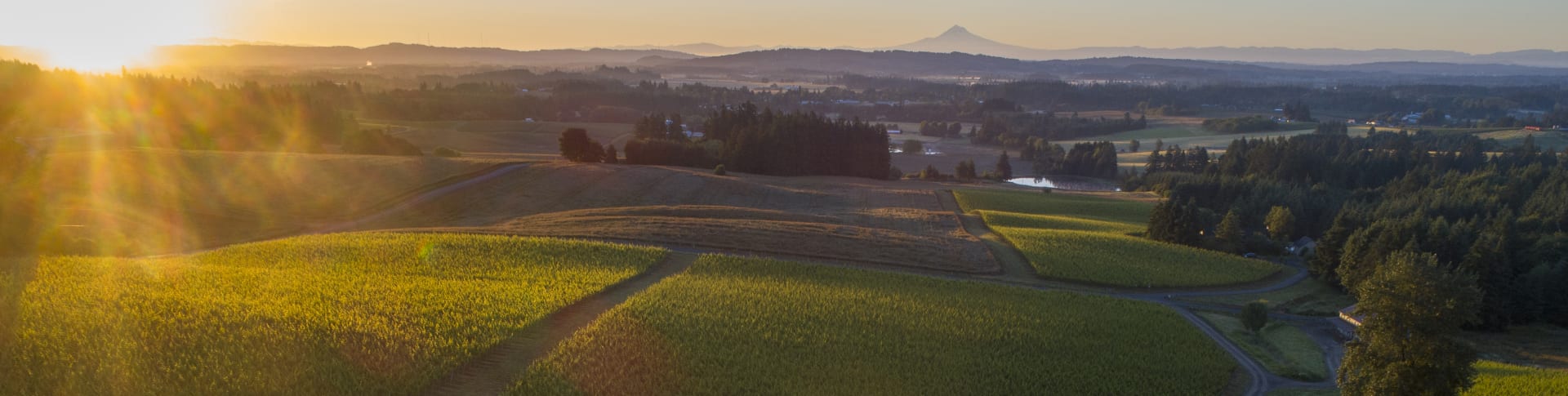


One of the founding wineries of the Willamette Valley, family-owned and operated Elk Cove Vineyards was the first vineyard in what is now the Yamhill-Carlton AVA. Second-generation Owner/Winemaker and fifth-generation Oregon farmer Adam Campbell sources fruit from Elk Cove's six 100% estate-grown, sustainably farmed vineyard sites located across the northern Willamette Valley, specializing in Pinot Noir and cool-climate white wines. Elk Cove is named for the local herd of Roosevelt elk and the protective bowl shape of the property. Its tasting room is tucked into the foothills of the Coast Range, with spectacular views of the surrounding vineyards and mountains.

Thin-skinned, finicky and temperamental, Pinot Noir is also one of the most rewarding grapes to grow and remains a labor of love for some of the greatest vignerons in Burgundy. Fairly adaptable but highly reflective of the environment in which it is grown, Pinot Noir prefers a cool climate and requires low yields to achieve high quality. Outside of France, outstanding examples come from in Oregon, California and throughout specific locations in wine-producing world. Somm Secret—André Tchelistcheff, California’s most influential post-Prohibition winemaker decidedly stayed away from the grape, claiming “God made Cabernet. The Devil made Pinot Noir.”

The Chehalem Mountains is a northwest-southeast span of several distinct mountains, ridges and peaks in the northern part of the Willamette Valley. Of all of Willamette Valley's smaller AVAs, it is closest to the city of Portland. Its highest summit, Bald Peak at an elevation of 1,633 feet, serves to generate cooler air for the rest of the AVA and its hillside vineyards. The region covers 70,000 acres but only 1,600 acres are planted to vines; soils of the Chehalem Mountains are a mix of basalt, ocean sediment and loess.