


Winemaker Notes
Professional Ratings
-
Tasting Panel
Deep ruby color and a velvety texture. Lush and tangy, with notes of black cherry and spice and hints of toasted oak and vanilla; balanced and long.
-
James Suckling
Aromas of fresh earth and ripe, red cherries and plums here with some undergrowth and wild-herb notes. The palate has a smooth, juicy texture with layered, ripe red-cherry flavors, holding super fresh and long. Impressive balance.
-
Wine Enthusiast
The Clay Court features a mix of Pommard and Dijon clones, with the anticipated flavors of ripe cherries. Barrel aging has pumped up aromas of toasted walnuts and a whiff of burnt popcorn. The lovely fruit, with a nice tangy edge, is the star here, and sails smoothly through a well-balanced finish.
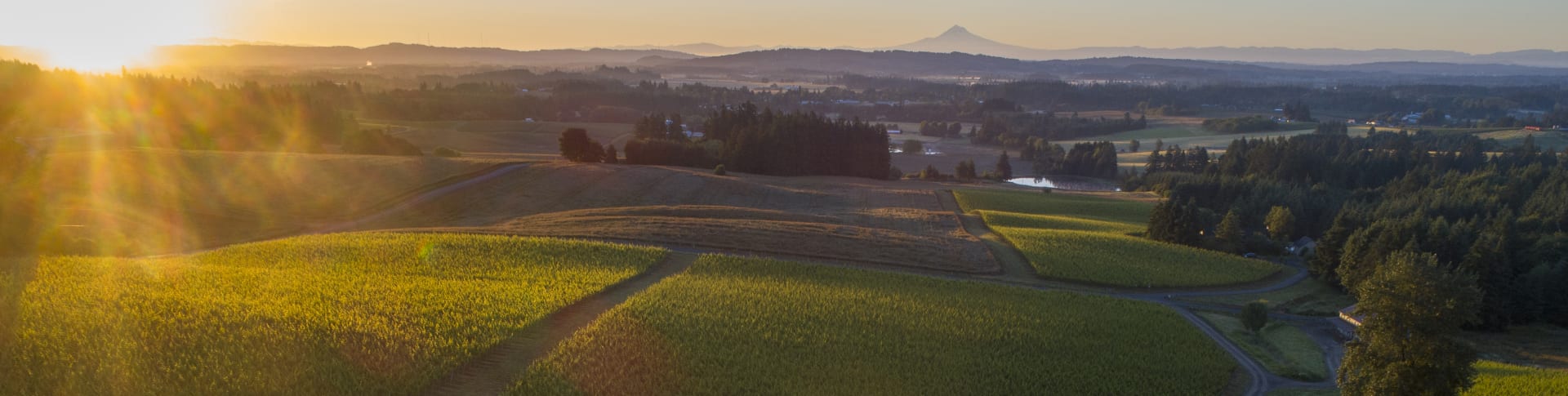


One of the founding wineries of the Willamette Valley, family-owned and operated Elk Cove Vineyards was the first vineyard in what is now the Yamhill-Carlton AVA. Second-generation Owner/Winemaker and fifth-generation Oregon farmer Adam Campbell sources fruit from Elk Cove's six 100% estate-grown, sustainably farmed vineyard sites located across the northern Willamette Valley, specializing in Pinot Noir and cool-climate white wines. Elk Cove is named for the local herd of Roosevelt elk and the protective bowl shape of the property. Its tasting room is tucked into the foothills of the Coast Range, with spectacular views of the surrounding vineyards and mountains.

Thin-skinned, finicky and temperamental, Pinot Noir is also one of the most rewarding grapes to grow and remains a labor of love for some of the greatest vignerons in Burgundy. Fairly adaptable but highly reflective of the environment in which it is grown, Pinot Noir prefers a cool climate and requires low yields to achieve high quality. Outside of France, outstanding examples come from in Oregon, California and throughout specific locations in wine-producing world. Somm Secret—André Tchelistcheff, California’s most influential post-Prohibition winemaker decidedly stayed away from the grape, claiming “God made Cabernet. The Devil made Pinot Noir.”

The Chehalem Mountains is a northwest-southeast span of several distinct mountains, ridges and peaks in the northern part of the Willamette Valley. Of all of Willamette Valley's smaller AVAs, it is closest to the city of Portland. Its highest summit, Bald Peak at an elevation of 1,633 feet, serves to generate cooler air for the rest of the AVA and its hillside vineyards. The region covers 70,000 acres but only 1,600 acres are planted to vines; soils of the Chehalem Mountains are a mix of basalt, ocean sediment and loess.