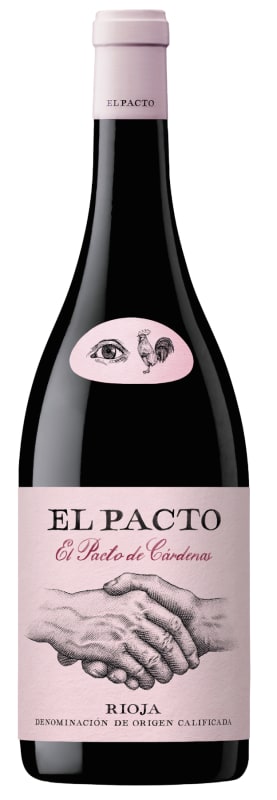


Winemaker Notes
A wine that revives the most authentic local tradition, a red with a white soul.
Professional Ratings
-
Decanter
A fine choice for summer drinking, this is a field blend of Garnacha, Tempranillo, Viura and Malvasía from a vineyard planted in 1957. An unoaked clarete style, it is fresh, floral and lightly fruity. Lovely slightly chilled. Wines from the Bodega Classica group, which includes Viñedos El Pacto and Hacienda López de Haro, are reliably good value.
-
James Suckling
A paler cherry-colored Rioja with aromas of fresh raspberries, strawberries, lavender and thyme. Fresh and juicy, with a medium body, easy tannins and lovely drinkability.
-
Wine Enthusiast
This ruby-colored wine offers a bouquet of pomegranate and raspberry with a whiff of earthiness. Cherry and cranberry flavors are backed by milk chocolate, eucalyptus and dried thyme notes. A light floral flavor lingers into the soft finish.
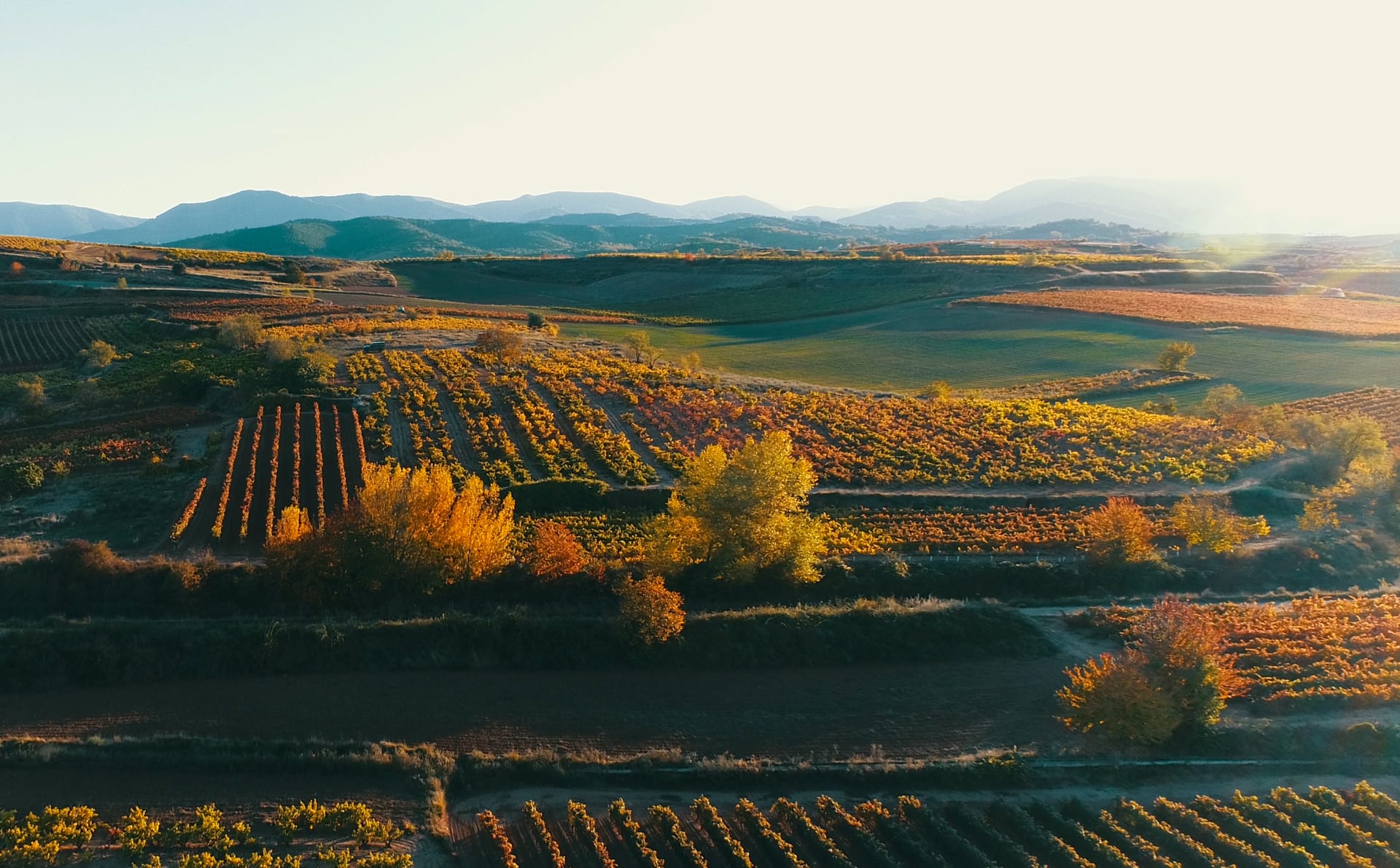


Viñedos el Pacto is a return to the origins with a clear goal in mind: to prevent true village wines from becoming extinct. A handful of old vines, unscathed by the industrialization maelstrom, have preserved the value of small-scale, manual labor, and respect for natural cycles. This pact of gratitude and continuity is born in the heart of Rioja, in the Sonsierra and the Alto Najerilla, uniting past and present to ensure the future. Four wines make up this particular journey to the origins of the Vintae Wine Company. El Pacto del Alto Najerilla and El Pacto de la Sonsierra rediscover the essence and authenticity of the village wines from these two areas, which have long been associated with viticulture. Riojanda and Valdechuecas are the two wines from “Singular Vineyards", cataloged by the Ministry of Agriculture for being unique places, which must prove their peculiarity. Two extraordinary places where the terroir takes center stage.

With hundreds of red grape varieties to choose from, winemakers have the freedom to create a virtually endless assortment of blended red wines. In many European regions, strict laws are in place determining the set of varieties that may be used, but in the New World, experimentation is permitted and encouraged resulting in a wide variety of red wine styles. Blending can be utilized to enhance balance or create complexity, lending different layers of flavors and aromas. For example, a red wine blend variety that creates a fruity and full-bodied wine would do well combined with one that is naturally high in acidity and tannins. Sometimes small amounts of a particular variety are added to boost color or aromatics. Blending can take place before or after fermentation, with the latter, more popular option giving more control to the winemaker over the final qualities of the wine.
How to Serve Red Wine
A common piece of advice is to serve red wine at “room temperature,” but this suggestion is imprecise. After all, room temperature in January is likely to be quite different than in August, even considering the possible effect of central heating and air conditioning systems. The proper temperature to aim for is 55° F to 60° F for lighter-bodied reds and 60° F to 65° F for fuller-bodied wines.
How Long Does Red Wine Last?
Once opened and re-corked, a bottle stored in a cool, dark environment (like your fridge) will stay fresh and nicely drinkable for a day or two. There are products available that can extend that period by a couple of days. As for unopened bottles, optimal storage means keeping them on their sides in a moderately humid environment at about 57° F. Red wines stored in this manner will stay good – and possibly improve – for anywhere from one year to multiple decades. Assessing how long to hold on to a bottle is a complicated science. If you are planning long-term storage of your reds, seek the advice of a wine professional.

Highly regarded for distinctive and age-worthy red wines, Rioja is Spain’s most celebrated wine region. Made up of three different sub-regions of varying elevation: Rioja Alta, Rioja Alavesa and Rioja Oriental. Wines are typically a blend of fruit from all three, although specific sub-region (zonas), village (municipios) and vineyard (viñedo singular) wines can now be labeled. Rioja Alta, at the highest elevation, is considered to be the source of the brightest, most elegant fruit, while grapes from the warmer and drier Rioja Oriental produce wines with deep color and higher alcohol, which can add great body and richness to a blend.
Fresh and fruity Rioja wines labeled, Joven, (meaning young) see minimal aging before release, but more serious Rioja wines undergo multiple years in oak. Crianza and Reserva styles are aged for one year in oak, and Gran Reserva at least two, but in practice this maturation period is often quite a bit longer—up to about fifteen years.
Tempranillo provides the backbone of Rioja red wines, adding complex notes of red and black fruit, leather, toast and tobacco, while Garnacha supplies body. In smaller percentages, Graciano and Mazuelo (Carignan) often serve as “seasoning” with additional flavors and aromas. These same varieties are responsible for flavorful dry rosés.
White wines, typically balancing freshness with complexity, are made mostly from crisp, fresh Viura. Some whites are blends of Viura with aromatic Malvasia, and then barrel fermented and aged to make a more ample, richer style of white.