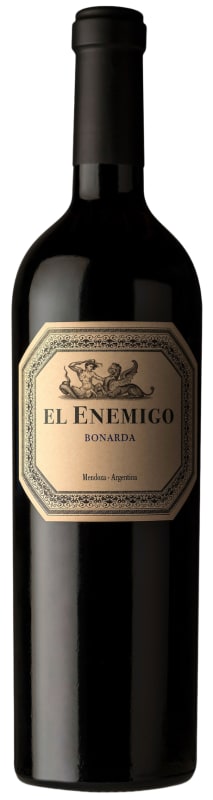


Winemaker Notes
This Bonarda shows a deep violet color with bluish reflections. The nose is intense and complex. Intense aromas of ripe black fruit, blackberries, raspberries, black cherries, chocolate and liquor, with some spicy notes of fresh herbs provided by the Cabernet Franc appear. The taste has a sweet impact with silky tannins and aromas of ripe black and red fruits with notes of licorice and vanilla. Its natural acidity is refreshing. By its concentration and complexity the finish is long and persistent.
Enjoy this wine alongside roast lamb, empanadas, and light pastas dishes.
Professional Ratings
-
Vinous
The 2023 Bonarda comes from the Eastern Zone with 15% Cabernet Franc from the Uco Valley and was aged for 15 months in a mix of foudre (50%), barrel (25%) and tank (25%). Expressive and primary, it opens with raspberry and violet, followed by a hint of black fruit and soft spice. Dry, juicy and lightly chalky, the palate is compact yet energetic, gaining depth from the interplay between aging and the structural contribution of Cabernet Franc. Well judged and well achieved for a challenging year like 2023.
-
James Suckling
Thyme, sour dark cherries and a touch of spices. Medium-bodied with juicy fruit and a pure, succulent finish. Good length. Delicious now, but can hold for a few more years too.
-
Wine Enthusiast
Firm tannins provide structure to this savory red. The nose is aromatic and displays a mix of desert herbs and blueberries. Similar dark fruit flavors fill the lively palate, along with good acidity.
-
Robert Parker's Wine Advocate
Blended with 15% Cabernet Franc, the 2023 Bonarda was produced from 100-year-old vines in Rivadavia and aged in a mix of foudre, barrel and tank. Red fruits, dried flowers and sawdust aromas introduce a racy mouthfeel and a fresh finish anchored by firm tannins and savory undertones.



The wines of El Enemigo are a tribute to those internal battles that make us who we are. Winemaker Alejandro Vigil and historian Adrianna Catena reach back in time to capture the era when European immigrants first settled in Argentina. These settlers sought to make wines as good as or finer than those of their old homelands. By 1936, Malbec and Petit Verdot were Argentina’s most widely planted varietals, and their blend was considered the ultimate in refinement and aging potential.
Enemigo thrives in the thrill of experimentation and delights in the new and unconventional. It was born from a desire to carve a unique path and a shared obsession with terroir—each bottle an unfettered song to the wild, free-spirited soul. The wines reflect the freshness and character of each individual vineyard: a pure expression of terroir.
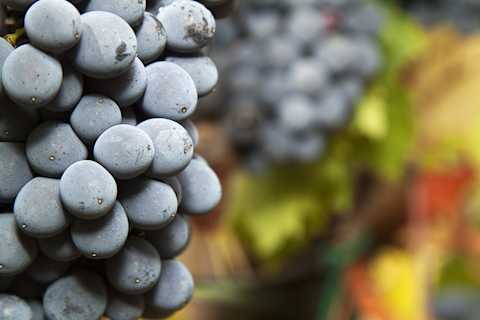
Bonarda is a name given to a handful of distinct grape varieties, mainly growing in Italy and in Argentina. In Lombardy’s Oltrepò Pavese and Emilia Romagna’s Colli Piacentini zones, the grape called Bonarda is actually Croatina. In Novara, Bonarda Novarese, often blended with Spanna (Nebbiolo), is actually Uva Rara. DNA profiling shows that most of the Bonarda in Argentina is actually identical to California’s Charbono—and Charbono is actually the Douce Noire grape from Savoie. Somm Secret—Bonarda Piemontese, an aromatic variety, is the only true Bonarda. Before phylloxera, it covered 30% of Piedmontese vineyard acreage.

By far the largest and best-known winemaking province in Argentina, Mendoza is responsible for over 70% of the country’s enological output. Set in the eastern foothills of the Andes Mountains, the climate is dry and continental, presenting relatively few challenges for viticulturists during the growing season. Mendoza, divided into several distinctive sub-regions, including Luján de Cuyo and the Uco Valley, is the source of some of the country’s finest wines.
For many wine lovers, Mendoza is practically synonymous with Malbec. Originally a Bordelaise variety brought to Argentina by the French in the mid-1800s, here it found success and renown that it never knew in its homeland where a finicky climate gives mixed results. Cabernet Sauvignon, Syrah, Merlot and Pinot Noir are all widely planted here as well (and sometimes even blended with each other or Malbec). Mendoza's main white varieties include Chardonnay, Torrontés, Sauvignon Blanc and Sémillon.