

Winemaker Notes
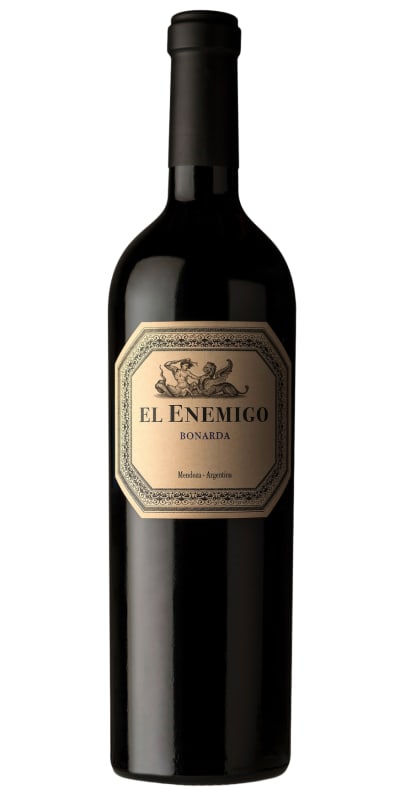
El Enemigo Bonarda is intense and complex, with aromas of ripe berries, black cherries, chocolate, spice, and fresh herbs. The palate presents concentrated flavors of ripe black and red fruits, licorice, and vanilla. Its silky tannins and refreshing acidity linger in the persistent finish. Certified Sustainable by Bodegas de Argentina.
Enjoy this wine alongside roasted lamb, empanadas, and light pasta dishes.
Professional Ratings
-
James Suckling
A deep, stony, mineral bonarda with red cherries, blue fruit, graphite and some grilled herbs. Tight and juicy on the palate with firm but resolved tannins and a long, linear finish. Lovely austerity here. Drink or hold.
-
Robert Parker's Wine Advocate
Despite having similar alcohol levels and acidity and freshness parameters, the 2020 Bonarda comes through as riper than the 2019 I tasted next to it. It reveals some earthy tannins and a faint rusticity, inherent to the variety.
-
Wine Enthusiast
Winemaker Alejandro Vigil added a dash of Cabernet Franc to this 85% Bonarda. The result is a full-bodied red that offers concentrated notes of berry jam and licorice on the nose and palate. The wine’s fruit-forward character includes red berries mixed with subtle notes of thyme alongside good acidity.



The wines of El Enemigo are a tribute to those internal battles that make us who we are. Winemaker Alejandro Vigil and historian Adrianna Catena reach back in time to capture the era when European immigrants first settled in Argentina. These settlers sought to make wines as good as or finer than those of their old homelands. By 1936, Malbec and Petit Verdot were Argentina’s most widely planted varietals, and their blend was considered the ultimate in refinement and aging potential.
Enemigo thrives in the thrill of experimentation and delights in the new and unconventional. It was born from a desire to carve a unique path and a shared obsession with terroir—each bottle an unfettered song to the wild, free-spirited soul. The wines reflect the freshness and character of each individual vineyard: a pure expression of terroir.

Bonarda is a name given to a handful of distinct grape varieties, mainly growing in Italy and in Argentina. In Lombardy’s Oltrepò Pavese and Emilia Romagna’s Colli Piacentini zones, the grape called Bonarda is actually Croatina. In Novara, Bonarda Novarese, often blended with Spanna (Nebbiolo), is actually Uva Rara. DNA profiling shows that most of the Bonarda in Argentina is actually identical to California’s Charbono—and Charbono is actually the Douce Noire grape from Savoie. Somm Secret—Bonarda Piemontese, an aromatic variety, is the only true Bonarda. Before phylloxera, it covered 30% of Piedmontese vineyard acreage.

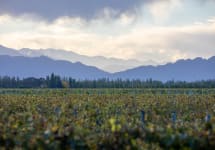
By far the largest and best-known winemaking province in Argentina, Mendoza is responsible for over 70% of the country’s enological output. Set in the eastern foothills of the Andes Mountains, the climate is dry and continental, presenting relatively few challenges for viticulturists during the growing season. Mendoza, divided into several distinctive sub-regions, including Luján de Cuyo and the Uco Valley, is the source of some of the country’s finest wines.
For many wine lovers, Mendoza is practically synonymous with Malbec. Originally a Bordelaise variety brought to Argentina by the French in the mid-1800s, here it found success and renown that it never knew in its homeland where a finicky climate gives mixed results. Cabernet Sauvignon, Syrah, Merlot and Pinot Noir are all widely planted here as well (and sometimes even blended with each other or Malbec). Mendoza's main white varieties include Chardonnay, Torrontés, Sauvignon Blanc and Sémillon.