


Winemaker Notes
This Bonarda shows a deep violet color with bluish reflections. The nose is intense and complex. Intense aromas of ripe black fruit, blackberries, raspberries, black cherries, chocolate and liquor, with some spicy notes of fresh herbs provided by the Cabernet Franc appear. The taste has a sweet impact with silky tannins and aromas of ripe black and red fruits with notes of licorice and vanilla. Its natural acidity is refreshing. By its concentration and complexity the finish is long and persistent.
Enjoy this wine alongside roast lamb, empanadas, and light pastas dishes.
Blend: 85% Bonarda, 15% Cabernet Franc
Professional Ratings
-
Vinous
The 2022 Bonarda contains 15% Cabernet Franc from Eastern Mendoza and is aged 15 months in foudre (50%), barrel (25%) and tank (25%). This is a vibrant and well-crafted red with blackberry, plum and a hint of raspberry layered over oak aging and a touch of balsamic herbs. Dry, plush and lightly grippy, it flows with good juiciness and black fruit flavors. The fresh vintage further defines these flavors.
-
Wine Enthusiast
Straw- berries and a dash of tobacco introduce this well-structured Bonarda. Mulberries and hints of cas- sis fill the vigorous palate, where excellent acidity adds depth. Dried herbs in the finish provide a savory twist.
-
James Suckling
This shows aromas of asphalt and incisive blue fruit. It’s juicy with precise, round and supple tannins. So pleasant to drink.
-
Robert Parker's Wine Advocate
Sourced from 100-year-old pergola-trained vines in Rivadavia's El Mirador Vineyard, the 2022 Bonarda contains 15% cofermented Cabernet Franc from Gualtallary and matured in a mix of foudre, barrique and stainless steel for 15 months. It is inky, roasted and savory on the nose, introducing an immensely concentrated, tensile palate before concluding with a sturdy and taut finish.



The wines of El Enemigo are a tribute to those internal battles that make us who we are. Winemaker Alejandro Vigil and historian Adrianna Catena reach back in time to capture the era when European immigrants first settled in Argentina. These settlers sought to make wines as good as or finer than those of their old homelands. By 1936, Malbec and Petit Verdot were Argentina’s most widely planted varietals, and their blend was considered the ultimate in refinement and aging potential.
Enemigo thrives in the thrill of experimentation and delights in the new and unconventional. It was born from a desire to carve a unique path and a shared obsession with terroir—each bottle an unfettered song to the wild, free-spirited soul. The wines reflect the freshness and character of each individual vineyard: a pure expression of terroir.

Bonarda is a name given to a handful of distinct grape varieties, mainly growing in Italy and in Argentina. In Lombardy’s Oltrepò Pavese and Emilia Romagna’s Colli Piacentini zones, the grape called Bonarda is actually Croatina. In Novara, Bonarda Novarese, often blended with Spanna (Nebbiolo), is actually Uva Rara. DNA profiling shows that most of the Bonarda in Argentina is actually identical to California’s Charbono—and Charbono is actually the Douce Noire grape from Savoie. Somm Secret—Bonarda Piemontese, an aromatic variety, is the only true Bonarda. Before phylloxera, it covered 30% of Piedmontese vineyard acreage.

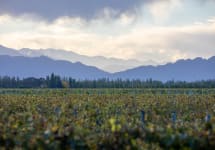
By far the largest and best-known winemaking province in Argentina, Mendoza is responsible for over 70% of the country’s enological output. Set in the eastern foothills of the Andes Mountains, the climate is dry and continental, presenting relatively few challenges for viticulturists during the growing season. Mendoza, divided into several distinctive sub-regions, including Luján de Cuyo and the Uco Valley, is the source of some of the country’s finest wines.
For many wine lovers, Mendoza is practically synonymous with Malbec. Originally a Bordelaise variety brought to Argentina by the French in the mid-1800s, here it found success and renown that it never knew in its homeland where a finicky climate gives mixed results. Cabernet Sauvignon, Syrah, Merlot and Pinot Noir are all widely planted here as well (and sometimes even blended with each other or Malbec). Mendoza's main white varieties include Chardonnay, Torrontés, Sauvignon Blanc and Sémillon.