


Winemaker Notes
The distinctive “Bruck-style” is smoky with a precise structure and complex rich stone fruit aromas and exotic. The palate is balanced and elegant tasting of peach, ripe apricot and delicious apple. The persistent minerality and racy acidity are well balanced by this wine’s full-body and lasting-finish. The name “Federspiel” dates back to medieval times and is derived from falconry. The falcon is symbolic for the elegance and liveliness of the Federspiel wines.
Served chilled, the Riesling is ideal as an aperitif and goes perfectly with Austrian fish cuisine such as Pike dumplings or a char tartare. It can also be more Mediterranean, for example with a Branzino in a salt crust with rosemary potatoes or prosciutto with melon. Ried Bruck is also a great tip for sushi and sashimi and goes well with “spicy prawns”.
Professional Ratings
-
Robert Parker's Wine Advocate
From a very pure and cool site in the Spitzer Graben that is located up to 500 meters in altitude, the 2020 Ried Bruck Riesling Federspiel is a fascinating wine with regard to terroir style and quality. It is pure, precise and refined on the nose, with concentrated, ripe white peach aromas intertwined with floral and herbal notes (i.e. woodruff). This is a medium to full-bodied, dense and crystalline, beautifully pure and elegant Riesling with finely concentrated apricot and peach aromas (but with this coolish touch), spectacularly precise and salty acidity that cuts the apricot like a laser sword and fine tannin grip on the stimulatingly bitter finish. This is another remarkable terroir wine from the Domäne, and I would keep to for at least 10 years, although it already tastes very attractive.
-
Wine Spectator
Delivers nice ripeness, with peach, floral, grapefruit and mineral aromas and flavors. Shows fine intensity, balance and a long, complex aftertaste. Drink now through 2027. 1,000 cases made, 84 cases imported.
-
James Suckling
This sleek and dry riesling has a degree of purity and positive raciness that’s uncommon in the Wachau in 2020. Plenty of Amalfi lemon and white currant, but also pronounced minerality through the long, very clean finish. Drink or hold.

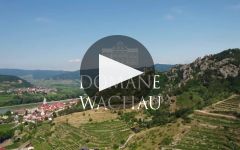
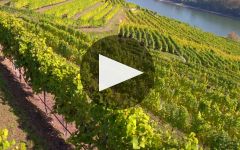


Domane Wachau: Craftmanship, terroir and precision.
Craftsmanship, terroir, and precision are the key values of Domäne Wachau under the leadership of Roman Horvath MW and Heinz Frischengruber. Respect for nature and the soil dominates the vignerons' hard work in the steep terraced vineyards. With over 160 hectares of organic vineyards, Domäne Wachau is Austria's leading wine estate with organically cultivated vines.
Organized into small parcels and worked mainly by hand, each vigneron cultivates less than two hectares of vines on average. The families have often passed down the craft over generations, producing a tremendous wealth of knowledge about their vineyards and an uncompromising focus on each individual plot. This is a next generation wine cooperative, as found nowhere else on Earth. Winemaker Heinz Frischengruber knows every parcel personally. The vignerons harvest their terraced vineyards over multiple passes, exclusively by hand. No herbicides or pesticides are used. To the contrary, every effort is made to promote a diversity of flora and fauna, ensuring better ecological balance on the Wachau terraces. Based on these guiding principles, Domäne Wachau is considered a sustainability pioneer for the entire region.
Domäne Wachau wines reflect their grand terroir and deliver an unmistakably puristic style, with both depth and freshness — partly spontaneously fermented and with minimal addition of sulfur. The Wachau offers ideal conditions for origin-driven wines from grand single vineyards such as Achleiten, Bruck, and Kellerberg.

Riesling possesses a remarkable ability to reflect the character of wherever it is grown while still maintaining its identity. A regal variety of incredible purity and precision, this versatile grape can be just as enjoyable dry or sweet, young or old, still or sparkling and can age longer than nearly any other white variety. Somm Secret—Given how difficult it is to discern the level of sweetness in a Riesling from the label, here are some clues to find the dry ones. First, look for the world “trocken.” (“Halbtrocken” or “feinherb” mean off-dry.) Also a higher abv usually indicates a drier Riesling.

As Austria’s most prestigious wine growing region, the landscape of the Wachau is—not surprisingly—one of its most dramatic. Millions of years ago, the Danube River chiseled its way through the earth, creating steep terraces of decomposed volcanic and metamorphic rock. Harsh Ice Age winds brought deposits of ancient glacial dust and loess to the terrace’s eastern faces. Today these steep surfaces of nutrient-poor and fast draining soil are home to some of Austria’s very best sites for both Grüner Veltliner and Riesling.
Wachau is small, comprising a mere three percent of Austria’s vine surface and, considering relatively low yields, represents a miniscule proportion of total wine production. Diurnal temperature shifts in Wachau facilitate great balance of sugar and phenolic ripeness in its grapes. At night cold air from the Alps and forests in the northwest displace warm afternoon air, which gets sucked upstream along the Danube.
Its sites are actually so varied and distinct that more emphasis is going into vineyard-designated offerings even despite grape variety. Grüner Veltliner and Riesling are most prominent, but the region produces Chardonnay, Pinot Blanc (Weissburgunder), Pinot Gris, Sauvignon Blanc and Zweigelt among other local variants.