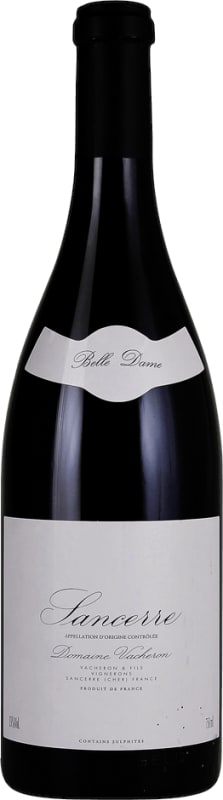


Winemaker Notes
The wine displays aromas of black cherries, blackberries, and a touch of light pepper, offering a fresh yet full-bodied experience with mineral undertones intertwined with rich berry flavors, making it an ideal companion for grilled lamb or beef and aged French cheeses.
Professional Ratings
-
James Suckling
An extensive, harmonious and vertical pinot noir. The nose offers notes of cherries, forest berries, wild herbs, gunpowder, wet stones and some sweet spices. It’s medium-bodied with finely grained tannins. Ample and layered, with plenty of minerality at the center. Flinty and driven, with such succulence. Lively and full of verve. Long, sharp finish. From biodynamically grown grapes.
-
Vinous
The 2022 Belle Dame is done in a mouth-filling, tender style that covers the palate with a veil of chalky tannins. It's well-composed, harmonious and unadulterated. There are flavors of pure Damson fruit, a spice-lifted note, cloves and cinnamon. The acidity provides a gentle stream of freshness.


Thin-skinned, finicky and temperamental, Pinot Noir is also one of the most rewarding grapes to grow and remains a labor of love for some of the greatest vignerons in Burgundy. Fairly adaptable but highly reflective of the environment in which it is grown, Pinot Noir prefers a cool climate and requires low yields to achieve high quality. Outside of France, outstanding examples come from in Oregon, California and throughout specific locations in wine-producing world. Somm Secret—André Tchelistcheff, California’s most influential post-Prohibition winemaker decidedly stayed away from the grape, claiming “God made Cabernet. The Devil made Pinot Noir.”

Marked by its charming hilltop village in the easternmost territory of the Loire, Sancerre is famous for its racy, vivacious, citrus-dominant Sauvignon blanc. Its enormous popularity in 1970s French bistros led to its success as the go-to restaurant white around the globe in the 1980s.
While the region claims a continental climate, noted for short, hot summers and long, cold winters, variations in topography—rolling hills and steep slopes from about 600 to 1,300 feet in elevation—with great soil variations, contribute the variations in character in Sancerre Sauvignon blancs.
In the western part of the appellation, clay and limestone soils with Kimmeridgean marne, especially in Chavignol, produce powerful wines. Moving closer to the actual town of Sancerre, soils are gravel and limestone, producing especially delicate wines. Flint (silex) soils close to the village produce particularly perfumed and age-worthy wines.
About ten percent of the wines claiming the Sancerre appellation name are fresh and light red wines made from Pinot noir and to a lesser extent, rosés. While not typically exported in large amounts, they are well-made and attract a loyal French following.