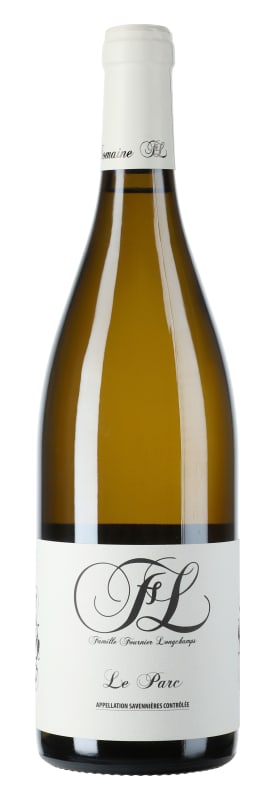


Winemaker Notes
Professional Ratings
-
James Suckling
This impressive Savennieres is still closed and needs as much aeration as you can give it. The most striking thing when it is freshly poured is a roasted peanut character and a seemingly corresponding saltiness on the palate. As it aerates, notes of chamomile, sage and candied orange peel emerge on the concentrated, medium-bodied palate. Long, salty finish. From biodynamically grown grapes. Drinkable now, but best from 2026.


Unquestionably one of the most diverse grape varieties, Chenin Blanc can do it all. It shines in every style from bone dry to unctuously sweet, oaked or unoaked, still or sparkling and even as the base for fortified wines and spirits. Perhaps Chenin Blanc’s greatest asset is its ever-present acidity, maintained even under warm growing conditions. Somm Secret—Landing in South Africa in the mid 1800s, today the country has double the acreage of Chenin Blanc planted compared to France. There is also a new wave of dedicated producers committed to restoring old Chenin vines.

Known for its delightful whites and sparkling Pétillant and Mousseux, made predominantly of Chenin blanc, Anjou has a temperate and dry maritime climate. The region's limited temperature variations are admiringly referred to locally as the “douceur angevine,” or “Anjou sweetness.” Fruit forward rosé and red wines from Cabernet Franc and Gamay merit Anjou its success within the Loire subregions.