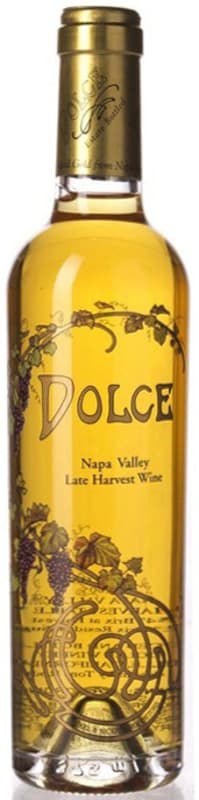


Winemaker Notes
Professional Ratings
-
Wilfred Wong of Wine.com
Photographers often say that a "great capture" is rare. The same came be said in the case of producing sweet wines. When to pick—and in this case, it is not just the right sugar, but also the level of botrytis mold—makes the proposition sometimes dicey. If the grower waits too long, the crop could be lost and if the grapes are harvest too soon, there may not be enough flavor. The 2011 Dolce, fortunately, has everything one would want in a late harvest dessert wine. This wine exhibits honey, pineapple, apricot, and oak that wraps itself nicely onto the palate. Pair with decadent desserts, triple crème blue veined cheese, or just drink it without any food at all. (Tasted: April 27, 2017, San Francisco, CA)
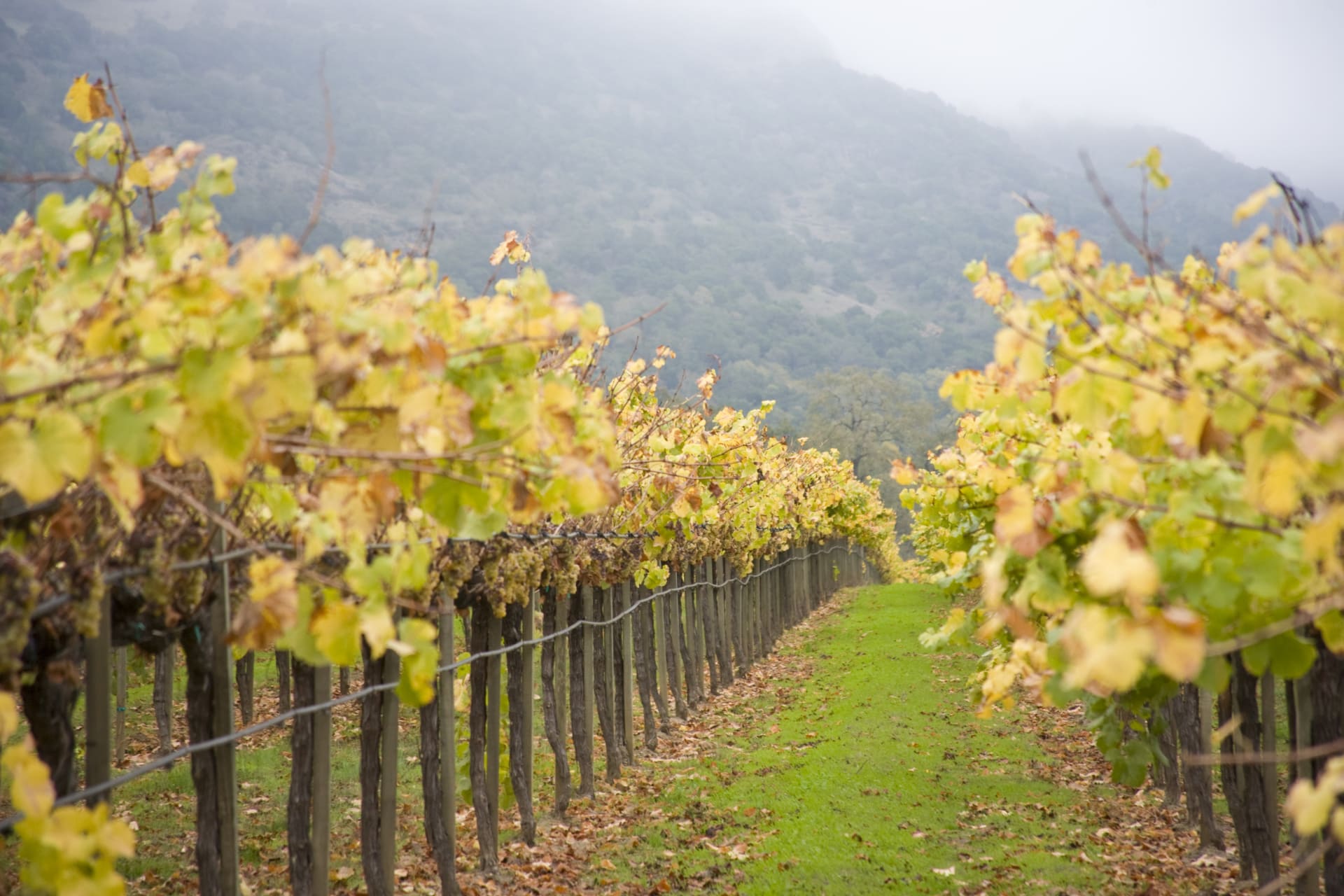




Apart from the classics, we find many regional gems of different styles.
Late harvest wines are probably the easiest to understand. Grapes are picked so late that the sugars build up and residual sugar remains after the fermentation process. Ice wine, a style founded in Germany and there referred to as eiswein, is an extreme late harvest wine, produced from grapes frozen on the vine, and pressed while still frozen, resulting in a higher concentration of sugar. It is becoming a specialty of Canada as well, where it takes on the English name of ice wine.
Vin Santo, literally “holy wine,” is a Tuscan sweet wine made from drying the local white grapes Trebbiano Toscano and Malvasia in the winery and not pressing until somewhere between November and March.
Rutherglen is an historic wine region in northeast Victoria, Australia, famous for its fortified Topaque and Muscat with complex tawny characteristics.

Situated in the southeastern corner of Napa Valley in the Vaca range, the vineyards of the Coombsville AVA enjoy a long growing season mitigated by cool, San Pablo Bay fog.