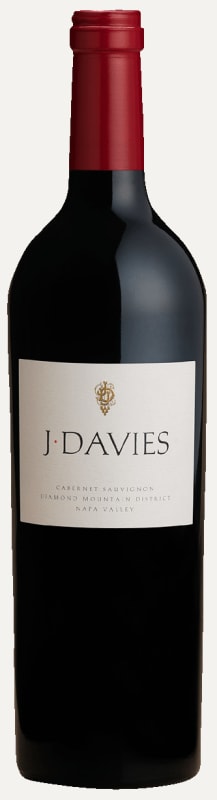


Winemaker Notes
Blend: 80% Cabernet Sauvignon, 17% Malbec, 3% Petite Verdot
Professional Ratings
-
Robert Parker's Wine Advocate
The 2014 Cabernet Sauvignon Diamond Mountain is a slightly more expensive cuvée. A blend of 80% Cabernet Sauvignon, 17% Malbec and the rest Petit Verdot, this is another gorgeously elegant, beautiful wine with terrific purity, plenty of blue, red and black fruits, some floral notes, medium to full body, supple tannins and a layered mouthfeel that builds incrementally to a long, long finish. This superb wine represents a perfect style between the elegance of Bordeaux and the ripeness and exuberance of a Napa Cabernet Sauvignon. Drink it over the next 20 years.
-
Wine & Spirits
Oak leads in this cabernet, shrouding the fruit in scents of cocoa and some bitter wood spice. Slowly, air transforms that spice into notes of bay leaf and bergamot, while the narrow structure reveals cool-ripened fruit. This is gamey and fresh, a wine to decant for slow-smoked beef ribs.
-
Wine Spectator
Makes an assertive statement, with rich, loamy earth, dark berry, licorice, mocha and crushed rock flavors, holding focus and gaining depth and nuance. Maintains complexity from start to finish. Best from 2019 through 2030.
-
Wine Enthusiast
Soft and robustly concentrated, this showcases its mountain fruit in a powerful way, with interwoven layers of cola spice, tobacco and dark black fruit. The oak adds a reductive character to the dense, full-bodied whole.


A noble variety bestowed with both power and concentration, Cabernet Sauvignon enjoys success all over the globe, its best examples showing potential to age beautifully for decades. Cabernet Sauvignon flourishes in Bordeaux's Medoc where it is often blended with Merlot and smaller amounts of some combination of Cabernet Franc, Malbecand Petit Verdot. In the Napa Valley, ‘Cab’ is responsible for some of the world’s most prestigious, age-worthy and sought-after “cult” wines. Somm Secret—DNA profiling in 1997 revealed that Cabernet Sauvignon was born from a spontaneous crossing of Cabernet Franc and Sauvignon Blanc in 17th century southwest France.

Diamond Mountain is the northernmost mountain appellation in the Mayacamas Range, on the northwest side of the valley floor, above the town of Calistoga. Defined mainly by elevation, vineyards are planted at 400 to 2,200 feet.
Diamond Mountain vineyards receive plenty of sunshine at these elevations and are typically above the coastal fog line. But given its western proximity, the area still easily cools down from early morning and late afternoon Pacific Ocean breezes. The AVA (American Viticultural Area) covers 5,000 acres but just over 500 acres are under vine.
Diamond Mountain soils, mainly weathered, red sedimentary rock and decomposed, volcanic ash, are infertile, quick-draining and produce small, thick-skinned grapes, bursting with chewy tannins.
Cabernet Sauvignon, Merlot, Cabernet Franc, Malbec, Petit Verdot and Zinfandel have great success here.
Like other sub-appellations in Napa Valley, the Diamond Mountain area had no shortage of pioneer winemakers. Rudy von Strasser led the effort for Diamond Mountain to acquire AVA status in 1999.