


Winemaker Notes
With a color saturation of purple ruby, this wine feels difficult to resist. First impressions on the nose reveal roasted herbs, grilled meat juices, juniper berry, black cherries and chocolate liqueur. Secondary aromas of terroir evolve out of this wine, such as wet clay, crushed rock, lavender and mineral. On the palate, the wine has a supple entry with layers of lusciously textured tannin. A fresh natural acidity brings just the right amount of structure to the palate. The finish is vibrant and long.
Blend: 77% Cabernet Sauvignon, 14% Cabernet Franc, 8% Merlot, 1% Petit Verdot
Professional Ratings
-
Robert Parker's Wine Advocate
At age 20, Colgin's 2005 IX Estate is showing some expected bricking at its rim, backed up by seductive aged aromas of leather, sandalwood, dried cherries and vanilla. It's medium- to full-bodied, loaded with charming, old-library notes and a long, lingering and remarkably elegant finish.
-
Wine Spectator
Serves up a rich, complex array of flavors, built around cedary oak, ripe currant and black cherry, with hints of leather and spice. Ends with a long, intricate finish that pulls all the flavors together. Firmly tannic. Cabernet Sauvignon, Merlot, Cabernet Franc and Petit Verdot. Best from 2010 through 2018. 1,500 cases made. –JL


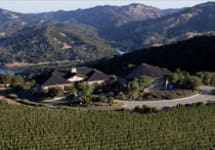

Undoubtedly proving its merit over and over, Napa Valley is a now a leading force in the world of prestigious red wine regions. Though Cabernet Sauvignon dominates Napa Valley, other red varieties certainly thrive here. Important but often overlooked include Merlot and other Bordeaux varieties well-regarded on their own as well as for their blending capacities. Very old vine Zinfandel represents an important historical stronghold for the region and Pinot noir is produced in the cooler southern parts, close to the San Pablo Bay.
Perfectly situated running north to south, the valley acts as a corridor, pulling cool, moist air up from the San Pablo Bay in the evenings during the hot days of the growing season, which leads to even and slow grape ripening. Furthermore the valley claims over 100 soil variations including layers of volcanic, gravel, sand and silt—a combination excellent for world-class red wine production.