


Winemaker Notes
Blend: 74% Cabernet Sauvignon, 17% Cabernet Franc, 9% Petit Verdot
Professional Ratings
-
Jeb Dunnuck
The estate vineyard on Pritchard Hill delivers a blockbuster, powerful, Latour-like expression from Napa with the 2023 IX Estate. Blackcurrants, scorched earth, crushed stone, graphite, and dried herbs, as well as subtle floral nuances, all define the aromatics. Based on 74% Cabernet Sauvignon, 17% Cabernet Franc, and 9% Petit Verdot aged 20 months in French oak, it's full-bodied and incredibly concentrated, with building tannins, a deep, layered mid-palate, and a huge finish. It deserves a decade of bottle age and will be a 50- to 60-year wine. Drink 2035-2085.
-
Robert Parker's Wine Advocate
Colgin's 2023 IX Estate offers up compelling aromas of wild sage, ripe blueberries and Bing cherries that seamlessly roll into a supple, velvety wave of full-bodied pleasure. Concentrated, richly textured and seemingly endless on the finish, it's a tour de force marriage of passion, terroir, farming and winemaking expertise that has yielded amazing results in this super vintage.
-
Vinous
The 2023 IX Estate is a quintessential wine from this corner of Napa Valley. Bright, dynamic and constantly changing in the glass, the 2023 is a mesmerizing, beguiling beauty. Graphite, incense, dried herbs, black cherry, espresso and lavender soar upward. A wine of stature, the IX Estate is bristling with tension, energy and class. I would not dream of touching a bottle anytime soon. Magnificent.
-
Decanter
The IX Estate, farmed organically since 2018, is rooted in weathered volcanic rock – a complex tapestry of ancient lava flows, seismic upheaval, and millennia of geological activity that has produced extraordinarily well-draining soils. The vines never enter a growing season with excessive vigour. At the same time, pockets of ancient, weathered clay retain moisture deep below the surface, encouraging roots to dig down and creating a natural rhythm of restraint and vitality. There is ample colour from the skins and abundant tannin from the seeds, so precision in handling is critical. The vineyard was first planted in 2000; prior to that, it was wild scrubland. The wine still carries that imprint – scrub brush, garrigue, and a distinctly mineral character that speaks clearly of the IX Estate. There is a rugged wildness to the mineral expression, building across the palate with ultra-mature, ripe tannins that soar with power yet retain a glossy refinement. They frame an exotically pure core of fruit. The depth and concentration are striking, perhaps enhanced by the warmer, drier night air that surrounds the site, acting as a natural maturing influence on tannins while the fruit continues to concentrate. For all its density and intensity, there is remarkable elegance and vitality. A truly compelling wine in 2023.
-
James Suckling
Blackberry, blueberry, iodine and crushed stone aromas follow through to a medium to full body. Tight and tannic at the end. Very structured and muscular with fine form. Needs time to soften.
-
Wine Spectator
A flicker of bay leaf peeks out from behind a dense core of cassis, blackberry reduction and black cherry paste flavors. Tugs of singed alder, sweet tobacco and cast iron underscore the lengthy, slightly muscular finish. A touch chunky, this relies more on tannins than acidity (which is atypical in this vintage); cellaring is needed.
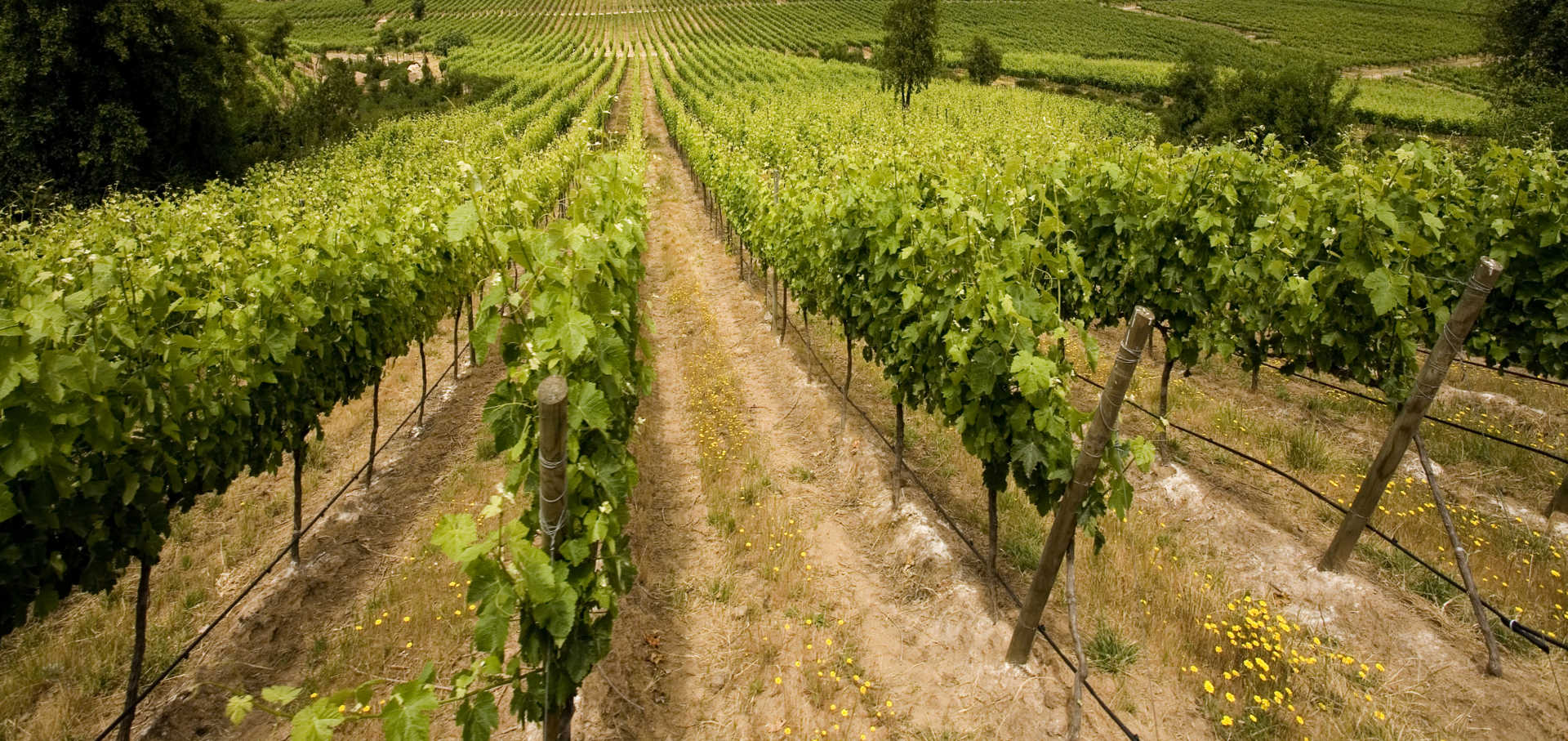



Undoubtedly proving its merit over and over, Napa Valley is a now a leading force in the world of prestigious red wine regions. Though Cabernet Sauvignon dominates Napa Valley, other red varieties certainly thrive here. Important but often overlooked include Merlot and other Bordeaux varieties well-regarded on their own as well as for their blending capacities. Very old vine Zinfandel represents an important historical stronghold for the region and Pinot noir is produced in the cooler southern parts, close to the San Pablo Bay.
Perfectly situated running north to south, the valley acts as a corridor, pulling cool, moist air up from the San Pablo Bay in the evenings during the hot days of the growing season, which leads to even and slow grape ripening. Furthermore the valley claims over 100 soil variations including layers of volcanic, gravel, sand and silt—a combination excellent for world-class red wine production.