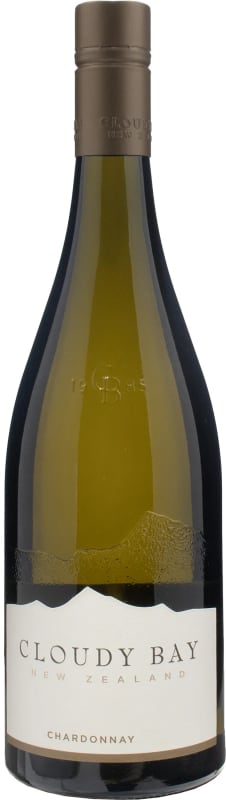


Winemaker Notes
Open and expressive on the nose, with enticing notes of white nectarine, pear and citrus complemented by a touch of subtle, savory oak. This wine is taut at first, unfurling in the glass to reveal notes of vibrant citrus, just-ripe apricot, greenage and a refreshing vein of minerality that adds a sense of drive to the concentrated and mouthwatering palate.
This Chardonnay is a natural match for just about everything, but especially seafood and other bright or creamy flavors. Try it with Caprese salad, soft cows’ cheeses, cream sauces or anything smoked or chargrilled.
Professional Ratings
-
James Suckling
Bright and clear with dried-apple, mineral and stone aromas with some honeysuckle undertones. Medium-bodied, this has tangy and crisp acidity, nougat and cooked-apple flavors. Limes in the finish. The vividness is impressive.
-
Robert Parker's Wine Advocate
The 2023 Chardonnay is tight and pithy, laden with white peach, lemon brine, a subtle display of woodsy spices and curry peach to close. This is balanced and fresh, and all elements of the wine are in balance with each other, making for pleasurable drinking. 13.5% alcohol.
-
Wine Spectator
Toasted brioche, buttery shortbread biscuit and citrus blossom aromatics give way to succulent grilled peach and lemon curd flavors, with mouthwatering acidity. Shows hints of marmalade and kumquat on the finish. Drink now. 21,000 cases made, 800 cases imported.
-
Vinous
This is a ripe, generously oaked 2023 Chardonnay. This offers liberal vanilla, coconut, baking spices and toasted nuts with rich fruit tones that will have you thinking of nectarines or peaches as it slips down. Its appeal is in its purity and freshness. The 2023 has ripe fruit but it remains defined and finishes with line and focus but then this is Marlborough—lots of sunshine hours but a cool climate, which are plain to see in this wine.





Cloudy Bay Vineyards, established in 1985, is today a partnership between champagne house Veuve Clicquot Ponsardin and co-founder of Cape Mentelle Vineyards in Western Australia, David Hohnen. The Cloudy Bay team is committed to producing 'wines of region' and strives to enhance the pure, bracing flavors naturally afforded by the climate and soils of Marlborough. The winery and vineyards are situated in the Wairau Valley in Marlborough at the northern end of New Zealand's South Island. This unique and cool wine region enjoys a maritime climate with the longest hours of sunshine of any place in New Zealand. Cloudy Bay has estate vineyards located at prime sites within the Wairau Valley and long-term supply agreements with five Wairau Valley growers. The main varieties grown are Sauvignon Blanc, Chardonnay and Pinot Noir.

One of the most popular and versatile white wine grapes, Chardonnay offers a wide range of flavors and styles depending on where it is grown and how it is made. While it tends to flourish in most environments, Chardonnay from its Burgundian homeland produces some of the most remarkable and longest lived examples. California produces both oaky, buttery styles and leaner, European-inspired wines. Somm Secret—The Burgundian subregion of Chablis, while typically using older oak barrels, produces a bright style similar to the unoaked style. Anyone who doesn't like oaky Chardonnay would likely enjoy Chablis.

An icon and leading region of New Zealand's distinctive style of Sauvignon blanc, Marlborough has a unique terroir, making it ideal for high quality grape production (of many varieties). Despite some common generalizations, which could be fairly justified given that Marlborough is responsible for 90% of New Zealand's Sauvignon blanc production, the wines from this region are actually anything but homogenous. At the northern tip of New Zealand’s South Island, the vineyards of Marlborough benefit from well-draining, stony soils, a dry, sunny climate and wide temperature fluctuations between day and night, a phenomenon that supports a perfect balance between berry ripeness and acidity.
The region’s king variety, Sauvignon blanc, is beloved for its pungent, aromatic character with notes of exotic tropical fruit, freshly cut grass and green bell pepper along with a refreshing streak of stony minerality. These wines are made in a wide range of styles, and winemakers take advantage of various clones, vineyard sites, fermentation styles, lees-stirring and aging regimens to differentiate their bottlings, one from one another.
Also produced successfully here are fruit-forward Pinot noirs (especially where soils are clay-rich), elegant Riesling, Pinot gris and Gewürztraminer.