


Winemaker Notes
Blend: 80% Grenache, 20% Syrah
Professional Ratings
-
Jeb Dunnuck
Bringing more depth and richness compared to the Bouquet des Garrigues, the 2023 Côtes Du Rhône Les Quartz offers black cherries, red plums, flowery incense, and pepper in a beautifully expressive style. It's medium-bodied and nicely balanced, with a supple, soft, elegant mouthfeel and fine tannins that are beautifully integrated.
-
Robert Parker's Wine Advocate
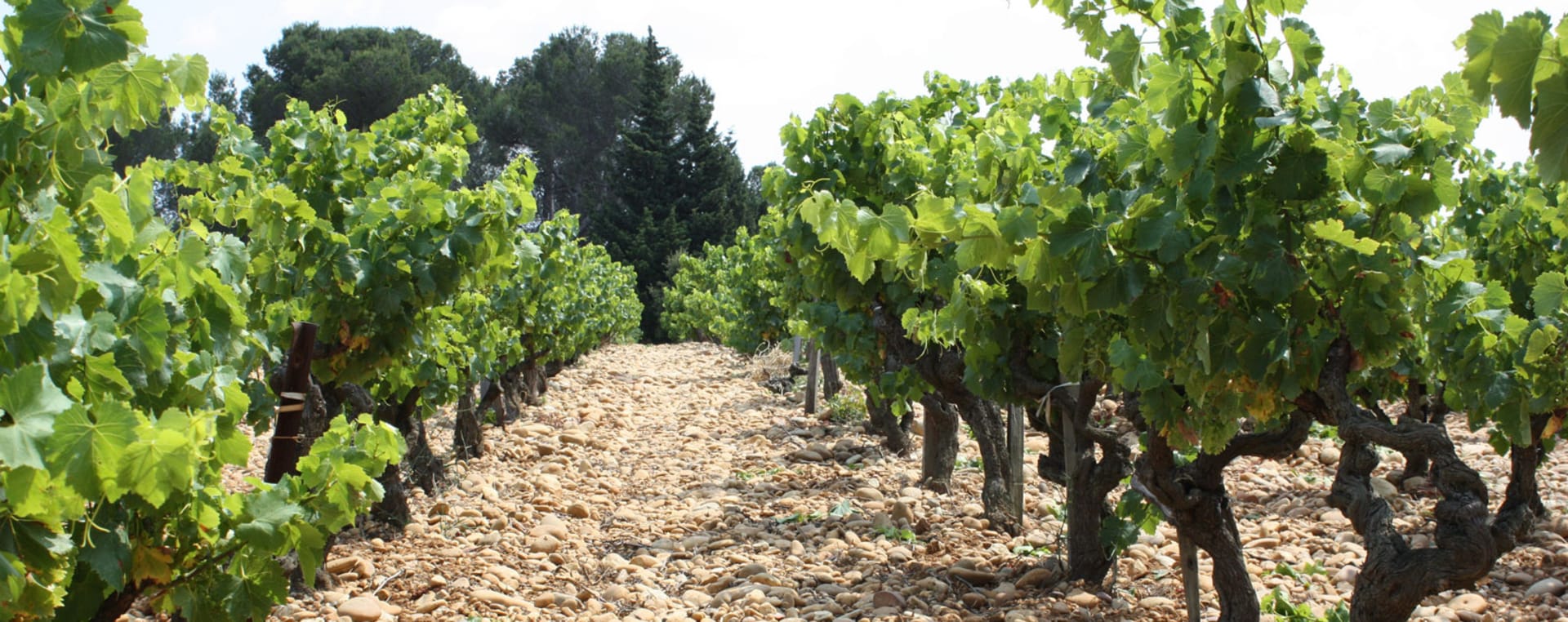
The 2023 Cotes du Rhone Les Quartz is a blend of 80% Grenache and 20% Syrah, sourced from quartz-rich sandy soils just outside the Châteauneuf-du-Pape appellation. It reveals aromas of ripe red berries, licorice, crushed herbs, violets and warm stones. Medium- to full-bodied, it’s supple and layered, with a fleshy core of fruit framed by fine-grained tannins and a vibrant spine of acidity. More structured and serious than Le Bouquet des Garrigues, this is a concentrated yet balanced wine.
-
James Suckling
Aromas of cherries, plums, wild herbs, exotic spices and hot stones follow through to a vivid, medium-bodied palate with silky tannins. Bright and juicy with a vibrant finish. From organically grown grapes. Drink or hold.
-
Wine Spectator
Theres a meaty, animal edge to this nicely complex version, with a suave mix of salty plum and juniper alongside forest floor, grilled anise and cured bacon, plus a tug of tar. Racy mineral notes and saline energy flow from start to silky finish. Grenache and Syrah. Drink now through 2028. 2,000 cases made, 150 cases imported.

—Robert Parker, The Wine Advocate
From robust Côtes-du-Rhône to memorable Chateauneuf-du-Pape, Clos du Caillou wines arguably represent some of the finest values in all of France. Proprietor Sylvie Vacheron and winemaker Bruno Gaspard are keeping the great work of the late Jean-Denis Vacheron alive with wines that are heady, robust and mouth-wateringly lush.
Caillou tends wonderfully old Grenache vines, some of which are 70 to 100 years old. With older Syrah and Mourvèdre added to the mix, it’s no wonder that Caillou wines are across the board impressive for their power, extract and deep minerality. The estate’s Chateauneuf terroir borders the impressive domaines of Chateau Rayas and Beaucastel.
Yet many of the Vacheron-Pouizin family's old vines are classified, by a quirk of 1923 politics, Côtes-du-Rhône and Côtes-du-Rhône-Villages. It’s why our Côtes-du-Rhône barrel selections show surprisingly like its kin in Chateauneuf-du-Pape.
In 1996 Jean-Denis Vacheron took full control of the viticulture and élévage at this estate. Under his stewardship, the wines of Caillou steadily gained stature, and today are benchmarks for the appellation. He understood that temperature-controlled fermentation and a cool, clean cellar are necessary to craft wines with refinement and true complexity.

With bold fruit flavors and accents of sweet spice, Grenache, Syrah and Mourvèdre form the base of the classic Rhône Red Blend, while Carignan, Cinsault and Counoise often come in to play. Though they originated from France’s southern Rhône Valley, with some creative interpretation, Rhône blends have also become popular in other countries. Somm Secret—Putting their own local spin on the Rhône Red Blend, those from Priorat often include Merlot and Cabernet Sauvignon. In California, it is not uncommon to see Petite Sirah make an appearance.

Typically thought of as a baby Chateâuneuf-du-Pape, the term Côtes du Rhône actually doesn’t merely apply to the flatter outskirts of the major southern Rhône appellations, it also includes the fringes of well-respected northern Rhône appellations. White wines can be produced under the appellation name, but very little is actually made.
The region offers some of the best values in France and even some first-rate and age-worthy reds. Red wine varieties include most of the Chateâuneuf-du-Pape varieties like Grenache, Syrah, Mourvedre, Cinsault, and Counoise, as well as Carignan. White grapes grown include Grenache blanc, Roussanne and Viognier, among others.