

Winemaker Notes
Professional Ratings
-
Decanter
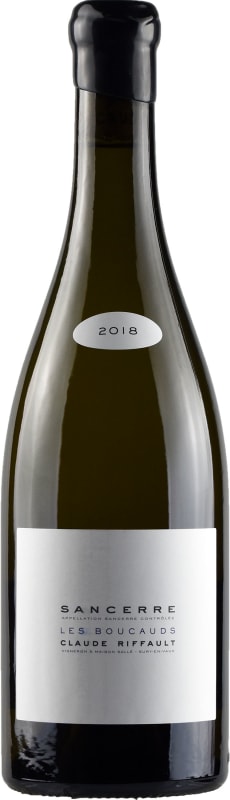
Part of Loire Sauvignon Blanc: Panel tasting results Les Boucauds is one of 14 communes within the Sancerre appellation and is rich with Kimmeridgian limestone-clay soil. The Domaine owns a total of 13.5 hectares of vineyards across Sancerre. The certified organic Les Boucauds vineyards are located on hillsides with a vine age of 30-40 years and they began the transition to biodynamic farming in 2018. After hand harvesting, 80% of the juice is fermented in stainless steel tanks to retain the fresh fruit characteristics and 20% is fermented in barrel; each parcel is then aged separately for 7-8 months before being blended and bottled in early summer. JB: Light gold, touch of honey, gooseberry and pineapple notes, vibrant and long finish. RG: Scents of pure apple fruit, florals. Good transparency of place yet with richness and depth of lees coming from winemaking. Lovely phenolic texture. CK: Light peach and citrus notes. The palate has real harmony, with elegantly creamed white peach and citrus fruits, cut with minerally energy and fresh acidity, giving it a real sense of panache and style.


Capable of a vast array of styles, Sauvignon Blanc is a crisp, refreshing variety that equally reflects both terroir and varietal character. Though it can vary depending on where it is grown, a couple of commonalities always exist—namely, zesty acidity and intense aromatics. This variety is of French provenance. Somm Secret—Along with Cabernet Franc, Sauvignon Blanc is a proud parent of Cabernet Sauvignon. That green bell pepper aroma that all three varieties share is no coincidence—it comes from a high concentration of pyrazines (herbaceous aromatic compounds) inherent to each member of the family.

Marked by its charming hilltop village in the easternmost territory of the Loire, Sancerre is famous for its racy, vivacious, citrus-dominant Sauvignon blanc. Its enormous popularity in 1970s French bistros led to its success as the go-to restaurant white around the globe in the 1980s.
While the region claims a continental climate, noted for short, hot summers and long, cold winters, variations in topography—rolling hills and steep slopes from about 600 to 1,300 feet in elevation—with great soil variations, contribute the variations in character in Sancerre Sauvignon blancs.
In the western part of the appellation, clay and limestone soils with Kimmeridgean marne, especially in Chavignol, produce powerful wines. Moving closer to the actual town of Sancerre, soils are gravel and limestone, producing especially delicate wines. Flint (silex) soils close to the village produce particularly perfumed and age-worthy wines.
About ten percent of the wines claiming the Sancerre appellation name are fresh and light red wines made from Pinot noir and to a lesser extent, rosés. While not typically exported in large amounts, they are well-made and attract a loyal French following.