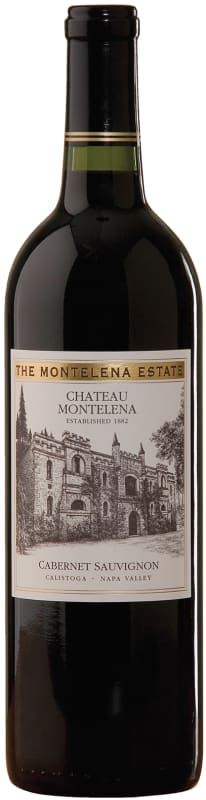


Winemaker Notes
There is so much perfume in this wine: fresh flowers and lavender are bolstered by ripe plum, sandalwood and cherry compote. There's also an incredibly appealing note of Earl Grey or bergamot that lifts the entire aromatic profile. Lingering behind the fruit is where the action starts as black pepper, vanilla, crushed rock and soy are revealed with patience.
The bright, zesty acidity of the vintage is immediately apparent as the fruit on the palate leans toward raspberry and cranberry, at least initially. They're followed by a rush of chalky, angular tannins that at first frame the acidity, but then serve to mellow it. Here, the fruit turns dark once again; but this time it expresses as blueberry jam and ripe blackberry before ushering in more savory notes of cedar and mint that are very characteristic of Montelena Cabernet. There is no doubt that this is a young wine that will need a few years of cellaring before coming into balance. That said, the freshness and purity of the vineyard character are very enticing, even at this stage.
As the palate softens, the finish begets more structure, present as espresso bean and cacao initially, but baking spices and a subtle sweetness after a few moments. The contrast between the soft fruit and texture is one of the amazing characteristics of this wine, which should continue to increase in depth and complexity over time.
Blend: 99% Cabernet Sauvignon, 0.5% Petit Verdot, 0.5% Cabernet Franc
Professional Ratings
-
Decanter
The flagship wine of Chateau Montelena sourced from the winery's estate vineyard adjacent to the chateau near the base of Mount St Helena. Compact and restrained at first; give it some air and good things will come. Bright red-toned fruits and dried wild herb notes are tethered to rich cedar spices. Well-endowed with impressive depth and concentration, particularly evident in the mid-palate which is weighted by crushed stones and earthen minerality. Elongated tannins are crisp while acids are firm and tangy. Those capable of looking past its upfront approachability will be rewarded with patience as this wine will evolve and shine over the next four decades.
-
Robert Parker's Wine Advocate
I tasted the soon-to-be-released 2019 Cabernet Sauvignon Estate from two bottles, one freshly opened and one that had been opened the day before. Both were clearly outstanding, with the freshly opened bottle being just a bit tighter and less luxuriously textured but obviously packed with potential. Mixed currants and cherries appear on the nose, joined by hints of dark chocolate, while the palate is medium to full-bodied, rich, expansive and velvety, with a lingering, mouthwatering finish.
Rating: 96+


A noble variety bestowed with both power and concentration, Cabernet Sauvignon enjoys success all over the globe, its best examples showing potential to age beautifully for decades. Cabernet Sauvignon flourishes in Bordeaux's Medoc where it is often blended with Merlot and smaller amounts of some combination of Cabernet Franc, Malbecand Petit Verdot. In the Napa Valley, ‘Cab’ is responsible for some of the world’s most prestigious, age-worthy and sought-after “cult” wines. Somm Secret—DNA profiling in 1997 revealed that Cabernet Sauvignon was born from a spontaneous crossing of Cabernet Franc and Sauvignon Blanc in 17th century southwest France.

One of Napa Valley’s oldest wine growing subregions but last to gain appellation status, Calistoga occupies the northernmost section of the valley. Beginning at the foot of Mount St. Helena, its vineyards stretch over steep canyons and roll out onto the valley floor. The soils in Calistoga are volcanic, which means they are heavy in minerals, low in organic matter and allow good drainage for vine roots, creating less green growth and more concentration of flavor within the grape berries.
Summer days are very hot but most nights cool down with moist ocean breezes sneaking in over the Mayacamas Mountains or from Knights Valley to its northwest.
Cabernet Sauvignon is the area’s star variety with Zinfandel coming in a strong second, though the latter commands far less price per tonnage so continues to be outshined by Cabernet in vineyard acreage, save for some important exceptions.