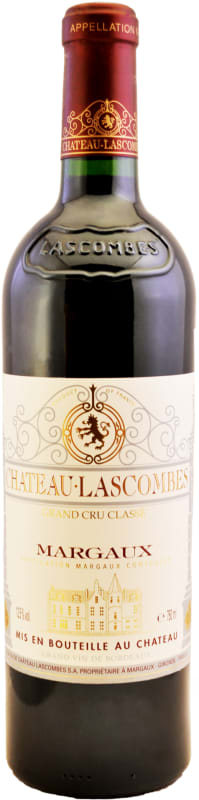


Winemaker Notes
Blend: 50% Cabernet Sauvignon, 45% Merlot, 5% Petit-Verdot
Professional Ratings
-
James Suckling
This is extremely linear and refined with a super-fine line of tannins running through the center of the wine. It’s full-bodied, yet tight and sophisticated, with a long, long finish. Plenty of blackcurrant, dark chocolate, walnut and cedar in the aftertaste. Try after 2025.
-
Jeb Dunnuck
The 2019 Château Lascombes showed well, with outstanding notes of cassis fruits as well as cedarwood and tobacco, and it displays more dark, earthy nuances with time in the glass. Medium to full-bodied on the palate, it has terrific balance, building tannins, and the vintage's pure, fresh, and focused style front and center. Hide bottles for 4-6 years and enjoy them over the following two decades. Best after 2026. Rating: 93+
-
Robert Parker's Wine Advocate
Offering up a rich bouquet of blackberries, cassis, burning embers and sweet spices, the 2019 Lascombes is full-bodied, lavish and textural, with a voluminous core of fruit, lively acids and plenty of ripe, powdery tannin that asserts itself on the youthfully firm finish. This is a powerful, muscular style of Margaux that remains nicely balanced in its register. Best After 2027 Rating : 92+
-
Wine Spectator
Richly fruity and very forward, with plum sauce, Black Forest cake and black currant pâte de fruit notes flanked by violet and alder accents through the finish. This will have fans for sure; drink in the near term. Cabernet Sauvignon, Merlot and Petit Verdot. Drink now.
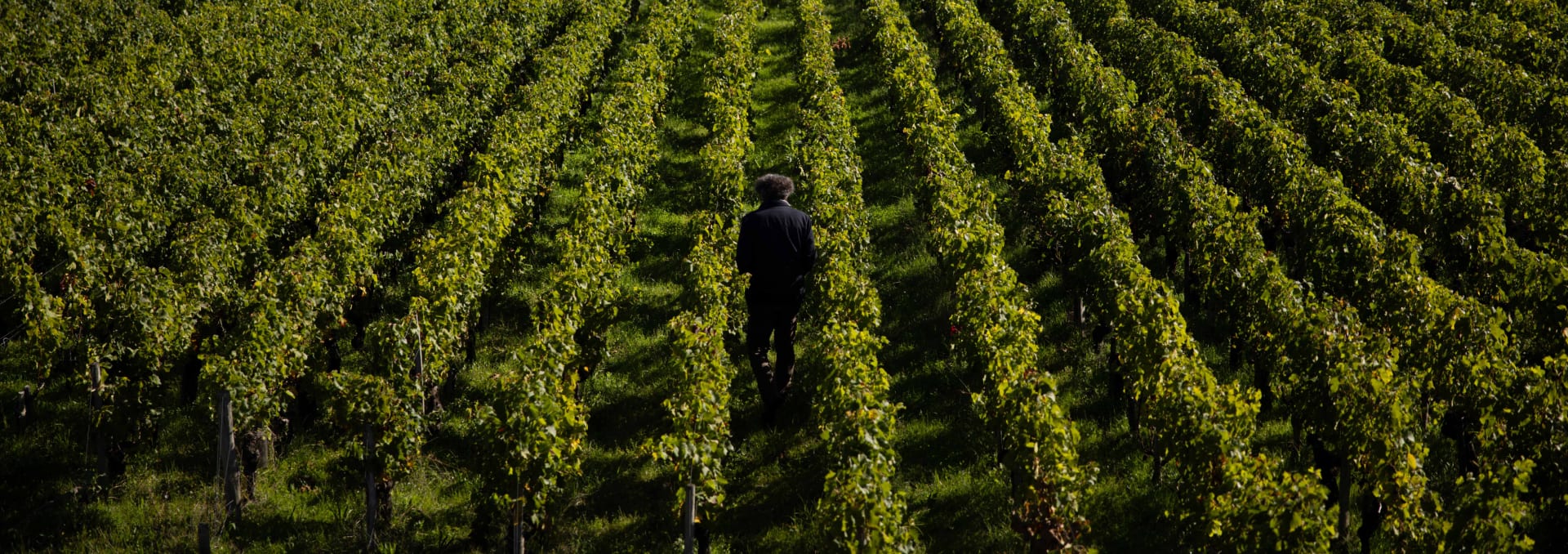


On a hillside at the entrance to Margaux, in the heart of the Médoc, Château Lascombes is a Second Growth from the 1855 classification with a long history, characterized by pioneering owners and a terroir that reflects all the characteristics of the appellation. Since 2022, an ambitious family-oriented renewal has been underway with new owner Gaylon Lawrence, Jr., a lover of Bordeaux wines, and Axel Heinz, a highly respected winemaker who excelled in Tuscany for almost twenty years.
The Lascombes range of wines reflects the incomparable diversity of the estate’s terroirs. A collector’s Grand Vin, predominantly Cabernet Sauvignon from gravelly soils, refocused on the historic terroir, offers a graceful, powerful expression of the classic Bordeaux style. The second wine, Chevalier de Lascombes, presents the freshness and vibrant fruit so dear to Margaux lovers. The latest addition to the Lascombes family of wines is La Côte Lascombes, a wine that showcases a new perspective from a single vineyard block of Merlot with soils of blue clay.

One of the world’s most classic and popular styles of red wine, Bordeaux-inspired blends have spread from their homeland in France to nearly every corner of the New World. Typically based on either Cabernet Sauvignon or Merlot and supported by Cabernet Franc, Malbec and Petit Verdot, the best of these are densely hued, fragrant, full of fruit and boast a structure that begs for cellar time. Somm Secret—Blends from Bordeaux are generally earthier compared to those from the New World, which tend to be fruit-dominant.

Silky, seductive and polished are the words that characterize the best wines from Margaux, the most inland appellation of the Médoc on the Left Bank of Bordeaux.
Margaux’s gravel soils are the thinnest of the Médoc, making them most penetrable by vine roots—some reaching down over 23 feet for water. The best sites are said to be on gentle outcrops, or croupes, where more gravel facilitates good drainage.
The Left Bank of Bordeaux subscribes to an arguably outdated method of classification but it is nonetheless important in regards to history of the area. In 1855 the finest chateaux were deemed on the basis of reputation and trading price—at that time. In 1855, Chateau Margaux achieved first growth status, yet it has been Chateau Palmer (officially third growth from the 1855 classification) that has consistently outperformed others throughout the 20th century.
Chateau Margaux in top vintages is capable of producing red Cabernet Sauvignon based wines described as pure, intense, spell-binding, refined and profound with flavors and aromas of black currant, violets, roses, orange peel, black tea and incense.
Other top producers worthy of noting include Chateau Rauzan-Ségla, Lascombes, Brane-Cantenac, and d’Issan, among others.
The best wines of Margaux combine a deep ruby color with a polished structure, concentration and an unrivaled elegance.