
Winemaker Notes
Professional Ratings
-
Wine Enthusiast
This is a fruity, wonderfully stylish wine. It has already developed impressive balance between fruit and structure. It has ample acidity and a layer of dark tannins that promise successful aging for the future. Barrel Sample: 92-94
-
James Suckling
Blueberries and wet earth with dried flowers. Full body, a solid core fruit and a long and juicy finish. Excellent. Better in 2020.
-
Decanter
Very good depth of fruit showing florality, fragrance and freshness with the usual Lascombes richness. A big, broad wine but the Margaux elegance is there with lift and spice to continue a good run from this château. Rating: 90+
-
Wine Spectator
Bouncy cherry and dark plum fruit is backed by a lively anise edge. A good spice hint emerges on the finish. Not dense but shows nice vibrancy. Barrel Sample: 87-90
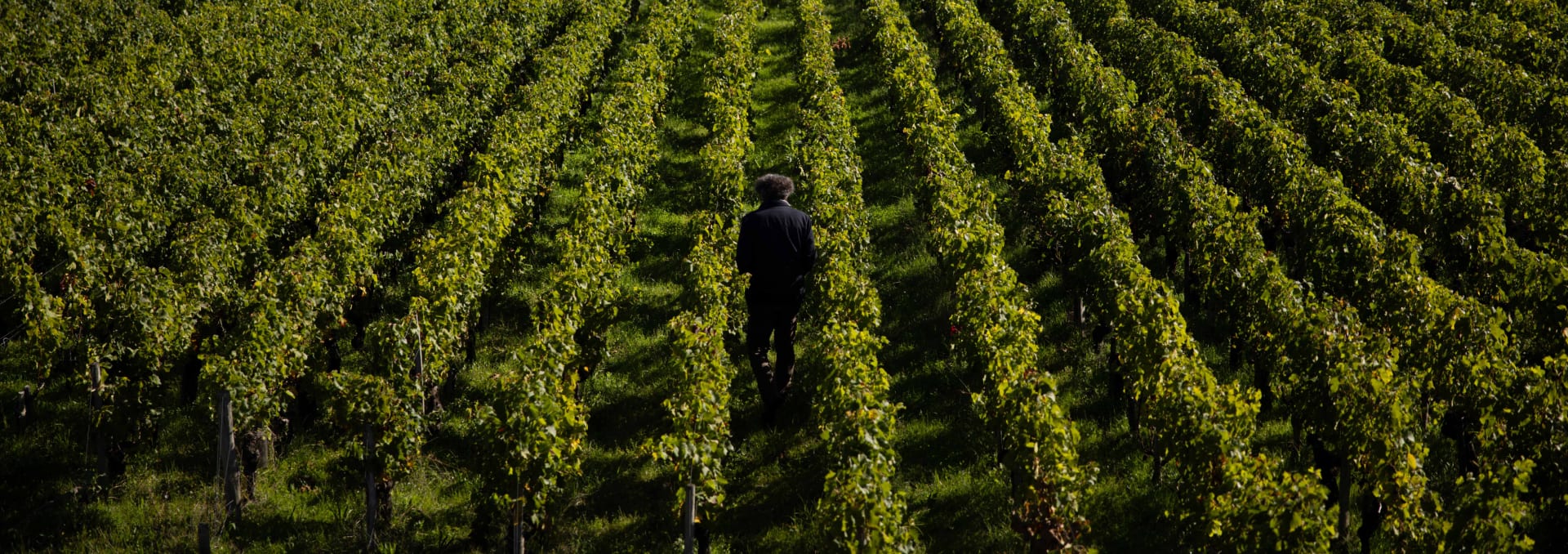


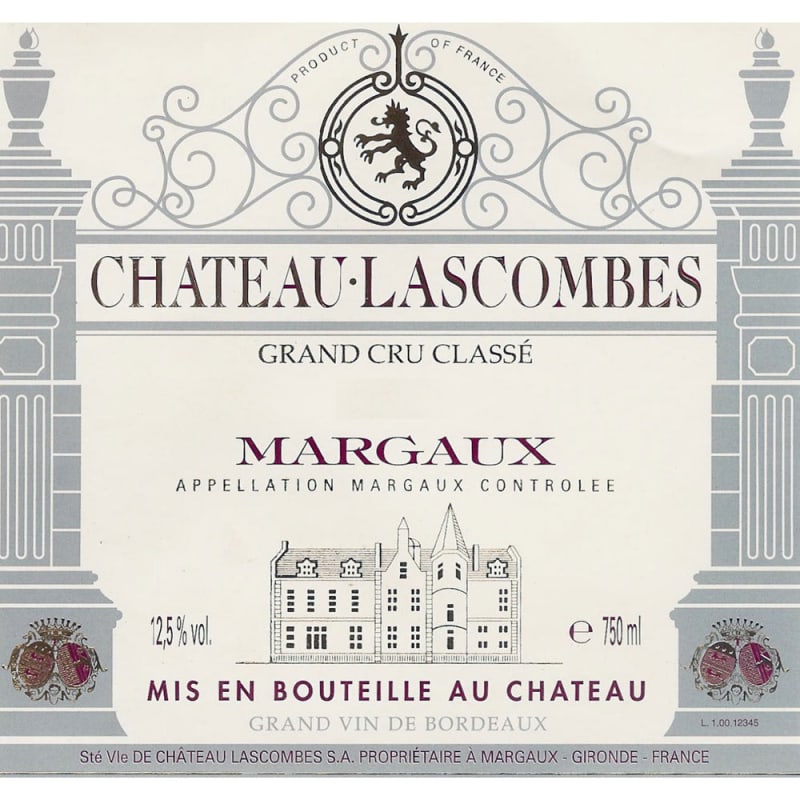
On a hillside at the entrance to Margaux, in the heart of the Médoc, Château Lascombes is a Second Growth from the 1855 classification with a long history, characterized by pioneering owners and a terroir that reflects all the characteristics of the appellation. Since 2022, an ambitious family-oriented renewal has been underway with new owner Gaylon Lawrence, Jr., a lover of Bordeaux wines, and Axel Heinz, a highly respected winemaker who excelled in Tuscany for almost twenty years.
The Lascombes range of wines reflects the incomparable diversity of the estate’s terroirs. A collector’s Grand Vin, predominantly Cabernet Sauvignon from gravelly soils, refocused on the historic terroir, offers a graceful, powerful expression of the classic Bordeaux style. The second wine, Chevalier de Lascombes, presents the freshness and vibrant fruit so dear to Margaux lovers. The latest addition to the Lascombes family of wines is La Côte Lascombes, a wine that showcases a new perspective from a single vineyard block of Merlot with soils of blue clay.

One of the world’s most classic and popular styles of red wine, Bordeaux-inspired blends have spread from their homeland in France to nearly every corner of the New World. Typically based on either Cabernet Sauvignon or Merlot and supported by Cabernet Franc, Malbec and Petit Verdot, the best of these are densely hued, fragrant, full of fruit and boast a structure that begs for cellar time. Somm Secret—Blends from Bordeaux are generally earthier compared to those from the New World, which tend to be fruit-dominant.

Silky, seductive and polished are the words that characterize the best wines from Margaux, the most inland appellation of the Médoc on the Left Bank of Bordeaux.
Margaux’s gravel soils are the thinnest of the Médoc, making them most penetrable by vine roots—some reaching down over 23 feet for water. The best sites are said to be on gentle outcrops, or croupes, where more gravel facilitates good drainage.
The Left Bank of Bordeaux subscribes to an arguably outdated method of classification but it is nonetheless important in regards to history of the area. In 1855 the finest chateaux were deemed on the basis of reputation and trading price—at that time. In 1855, Chateau Margaux achieved first growth status, yet it has been Chateau Palmer (officially third growth from the 1855 classification) that has consistently outperformed others throughout the 20th century.
Chateau Margaux in top vintages is capable of producing red Cabernet Sauvignon based wines described as pure, intense, spell-binding, refined and profound with flavors and aromas of black currant, violets, roses, orange peel, black tea and incense.
Other top producers worthy of noting include Chateau Rauzan-Ségla, Lascombes, Brane-Cantenac, and d’Issan, among others.
The best wines of Margaux combine a deep ruby color with a polished structure, concentration and an unrivaled elegance.