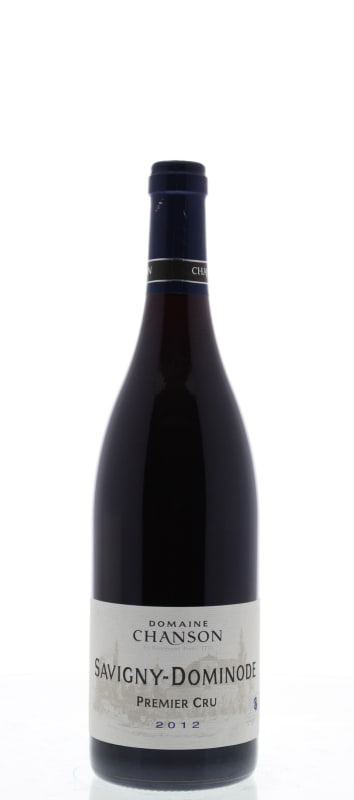


Winemaker Notes
Professional Ratings
-
James Suckling
An earthy and meaty red on the nose with dark fruits and hints of citrus. Full body, velvety tannins and a chewy texture plus a long, flavorful finish. Loads going on here. Drink or hold.
-
Robert Parker's Wine Advocate
For unknown reasons, the 2012 Savigny-les-Beaune 1er Cru Dominode did not show as it ought to chez Chanson, therefore a replacement bottle was sent chez moi. Lucid purple in color, it has a precocious nose for a 2012 with iodine-stained cassis and blueberry fruit that deserve one or two years to settle. The palate is fruit-driven and for some reason, reminiscent of a Marsannay in style with sweet, ripe cassis fruit, plenty of glycerin and a primal, perhaps slightly obvious finish that will need to demonstrate its premier cru credentials with age. It is a hedonistic delight, but it needs to show a little more class. Drink 2016-2024.
-
Wine Spectator
Black cherry, blackberry and spice flavors mingle in this juicy red, balanced by vibrant acidity and refined tannins. Very classy and long. Best from 2017 through 2025. 25 cases imported.



Founded in 1750, Chanson is one of the five grand "shippers" of Burgundy's Côte d'Or- an estate steeped in centuries-old tradition and rich in viticultural history. As a négociant (winemaker and merchant) and a domaine (vineyard estate), Chanson has represented the best of Burgundy for more than 250 years, growing its own grapes, partnering with other growers, bottling, selling, and shipping its own wines.
Chanson's holdings comprise some of Burgundy's most coveted vineyards. Located in the heart of the Côte de Beaune (the historical center of Burgundy) and surrounded by some of the greatest vineyards in the world, Chanson can count French philosophe Voltaire, romantic poet Lamartine, and the Bonaparte family among its clients.
Its celebrated bastion, a 15th-century fortress first rented and then acquired in 1794 to cellar the wines, is an internationally celebrated icon of Burgundy (the largest of six bastions that form part of the wall surrounding the city of Beaune).
To visit Chanson is to travel back in time and experience the magic of the 1000-year-old tradition of winemaking. Chanson still vinifies and cellars its wines in the bastion as it has for over 200 years. The 10-meter thick walls of this ancient fortress make it ideal for winemaking.

Thin-skinned, finicky and temperamental, Pinot Noir is also one of the most rewarding grapes to grow and remains a labor of love for some of the greatest vignerons in Burgundy. Fairly adaptable but highly reflective of the environment in which it is grown, Pinot Noir prefers a cool climate and requires low yields to achieve high quality. Outside of France, outstanding examples come from in Oregon, California and throughout specific locations in wine-producing world. Somm Secret—André Tchelistcheff, California’s most influential post-Prohibition winemaker decidedly stayed away from the grape, claiming “God made Cabernet. The Devil made Pinot Noir.”

Savigny-lès-Beaune is a small village near Beaune that produces delightful red and white wines under its own appellation name. Cut by a river, the vineyards on its southern side have sandy soils that result in charming, floral reds. Premiers Crus vineyards on this side include Les Peuillets, Les Narbantons, Les Rouvrettes and Les Marconnets.
On Savigny’s northern side, bordering Pernand-Vergelles, vineyards are planted on rocky soils and produce juicy and spicy Pinot Noir. The village’s best whites, all made of Chardonnay, are full on the palate and abound in texture, complexity and freshness.