
Winemaker Notes
Aromas of green apples and stone fruit are accented and lifted by citrus and tangerine notes. The 2000 vintage has a firm acid grip and, of course, gobs of wet stone minerality from Chalone's unique limestone soil.
Aged on the lees for tem months in 100% French oak, the wine was never racked until bottling. This extended sur lie aging, coupled with malolactic fermentation, created complex layers of Broiche - the aroma isn't just yeastiness, but rich, baked bread smells of butter and eggs. Our 2000 Chardonnay is viscous and rich on the finish.
Very similar to our outstanding 1999 vintage, this wine has a perfect balance between fruitiness, barrel aging, and minerality. I think of it as the Chardonnay for a red wine drinker. It's powerful, complex, and goes well with just about everything: chicken, pasta, fish, pork, or take out Chinese food. Yes!
Dan Karlsen, Winemaker
Professional Ratings
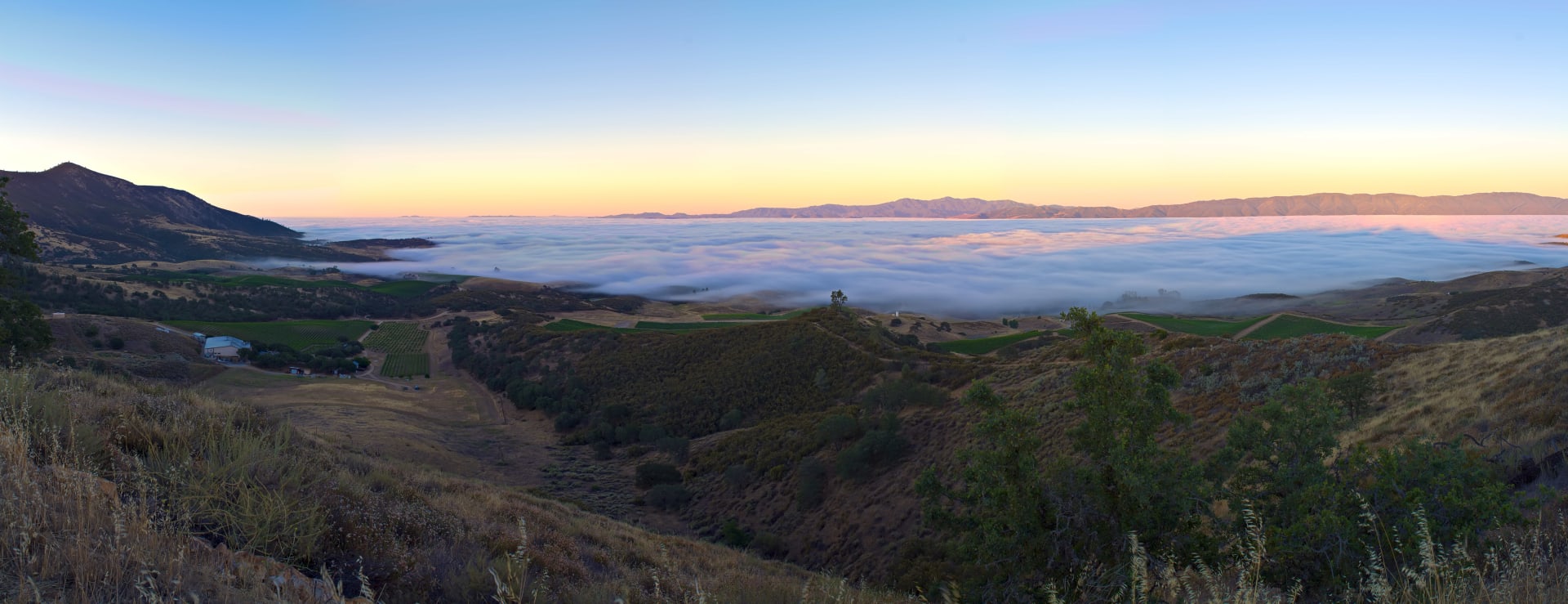



The Chalone Estate Vineyard is one of the most remarkable winery properties in California, and the sole winery within the Chalone AVA. The vineyard was planted in 1919, with the production under the Chalone Vineyard brand beginning in 1960.
Chalone wines speak to the unique terroir of this wild, isolated and high-elevation mountain plateau in Monterey County, located adjacent to the Pinnacles National Monument. The wines reflect a unique character that is attributed to the area’s granitic and limestone soils as well as the large daily diurnal shifts, ultimately resulting in wines with distinct minerality and balance between ripe fruit character and bright acidity.

One of the most popular and versatile white wine grapes, Chardonnay offers a wide range of flavors and styles depending on where it is grown and how it is made. While it tends to flourish in most environments, Chardonnay from its Burgundian homeland produces some of the most remarkable and longest lived examples. California produces both oaky, buttery styles and leaner, European-inspired wines. Somm Secret—The Burgundian subregion of Chablis, while typically using older oak barrels, produces a bright style similar to the unoaked style. Anyone who doesn't like oaky Chardonnay would likely enjoy Chablis.
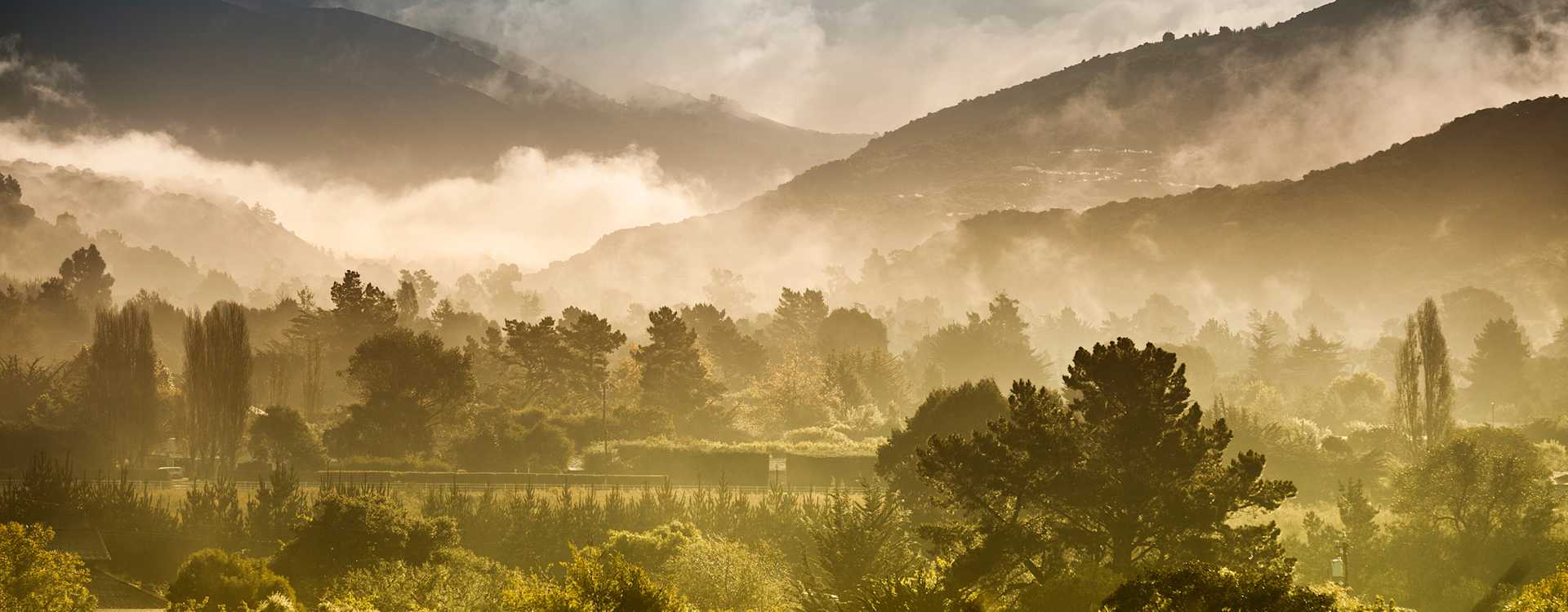
The largest and perhaps most varied of California’s wine-growing regions, the Central Coast produces a good majority of the state's wine. This vast California wine district stretches from San Francisco all the way to Santa Barbara along the coast, and reaches inland nearly all the way to the Central Valley.
Encompassing an extremely diverse array of climates, soil types and wine styles, it contains many smaller sub-AVAs, including San Francisco Bay, Monterey, the Santa Cruz Mountains, Paso Robles, Edna Valley, Santa Ynez Valley and Santa Maria Valley.
While the Central Coast California wine region could probably support almost any major grape varietiy, it is famous for a few Central Coast reds and whites. Pinot Noir, Chardonnay, Cabernet Sauvignon and Zinfandel are among the major ones. The Central Coast is home to many of the state's small, artisanal wineries crafting unique, high-quality wines, as well as larger producers also making exceptional wines.