


Winemaker Notes
The 2023 Muga Rosado vintage is notable for its pale pink colour. It has a very intense, complex nose, with an initial sensation of peaches, apricots and white blossom. On the palate, it is very well balanced with the acidity integrated with the sensation of volume in the mouth and a very long finish which brings back the reminders of stone fruit and some citrus nuances. With an aftertaste in which you find stone fruit and citrus notes.
Ideal with seafood, pasta and rice dishes and salads. Great to drink by the glass as a starter or with a small snack on a terrace.
Professional Ratings
-
Robert Parker's Wine Advocate
Many consider 2023 a very good year for whites and rosés, and the 2023 Flor de Muga Rosado is a good example of it. It's the direct pressing of Garnacha grapes from the Najerilla and Oja valleys, kept with fine lees and bâtonnage for four months and matured in 500- and 600-liter oak barrels. It's elegant and delicate but does not lack power or ripeness. It comes in at 14% alcohol, keeping very good freshness, reflected by a pH of 3.19 and 6.02 grams of acidity. The cooler zone where the grapes are sourced meant that the vines behaved better, and the red soils lend more minerality to the wines. The result is quite good. It's very pale, almost a blanc de noirs, with a subtle and elegant nose and a solid palate with very tasty, focused and precise flavors. Rating:-93+
-
Jeb Dunnuck
The 2023 Flor De Muga Rosado is Garnacha Tinta from multiple parcels, raised in small used wooden casks and 500-liter and 1000-liter vats. It's a broad, round, layered rosé offering beautiful elegance and finesse while bringing plenty of fruit. White flowers, cherries, and spice, as well as a kiss of minerality all define the nose, and I love its overall balance. This classy rosé is up with the best in the category.
-
James Suckling
Refreshing nose of light cherries, white strawberries and stones. Really bright, with a medium body. A crisp, elegant rosé. Garnacha and viura, made with direct pressing.
-
Wine Enthusiast
Pale pink to the eye, this wine has a bouquet of pineapple and passion fruit. It lights up the palate with clementine, nectarine and rose-petal flavors that evaporate into a vivid finish.
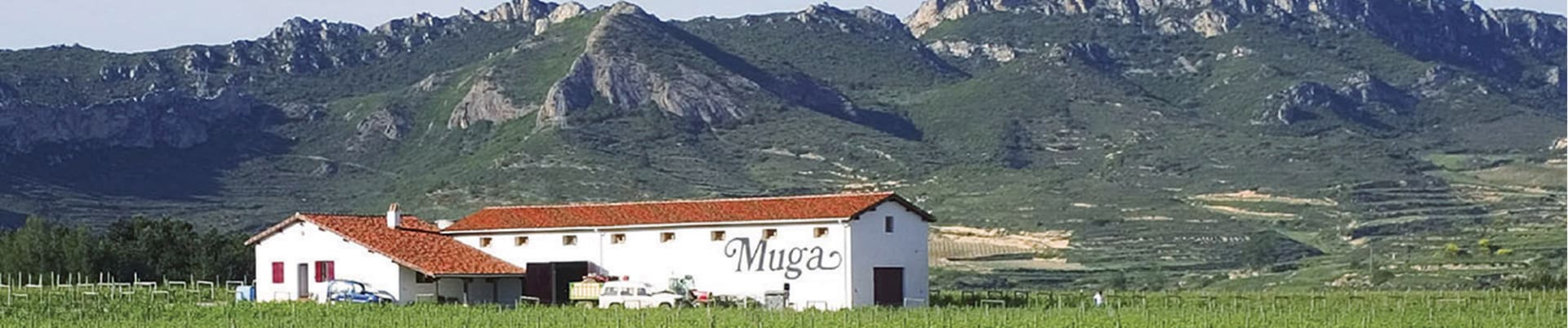





Bodegas Muga is a family firm founded in 1932 by Isaac Muga and Aurora Caño. The first wines were made in an underground cellar, until in 1968 they decided to set up their own winery in a beautiful old 19th-century town-house situated in the city of Haro. The Bodegas Muga outstanding feature is that it always uses the finest materials, combining tradition with the latest advances in winemaking so as always to give its wines the very best quality without losing authenticity. Indeed, it is the only wine cellar in Spain which employs its own master cooper and coopers, who make all the vats for the cellar as well as the oak casks. The winery remains true to traditional winemaking methods such as racking the casks by gravity and fining the wine with fresh egg whites. Bodegas Muga has succeeded in combining the purest family tradition with an updated vision of the future which has allowed them to preserve their own personality and character.

Whether it’s playful and fun or savory and serious, most rosé today is not your grandmother’s White Zinfandel, though that category remains strong. Pink wine has recently become quite trendy, and this time around it’s commonly quite dry. Since the pigment in red wines comes from keeping fermenting juice in contact with the grape skins for an extended period, it follows that a pink wine can be made using just a brief period of skin contact—usually just a couple of days. The resulting color depends on grape variety and winemaking style, ranging from pale salmon to deep magenta.

Highly regarded for distinctive and age-worthy red wines, Rioja is Spain’s most celebrated wine region. Made up of three different sub-regions of varying elevation: Rioja Alta, Rioja Alavesa and Rioja Oriental. Wines are typically a blend of fruit from all three, although specific sub-region (zonas), village (municipios) and vineyard (viñedo singular) wines can now be labeled. Rioja Alta, at the highest elevation, is considered to be the source of the brightest, most elegant fruit, while grapes from the warmer and drier Rioja Oriental produce wines with deep color and higher alcohol, which can add great body and richness to a blend.
Fresh and fruity Rioja wines labeled, Joven, (meaning young) see minimal aging before release, but more serious Rioja wines undergo multiple years in oak. Crianza and Reserva styles are aged for one year in oak, and Gran Reserva at least two, but in practice this maturation period is often quite a bit longer—up to about fifteen years.
Tempranillo provides the backbone of Rioja red wines, adding complex notes of red and black fruit, leather, toast and tobacco, while Garnacha supplies body. In smaller percentages, Graciano and Mazuelo (Carignan) often serve as “seasoning” with additional flavors and aromas. These same varieties are responsible for flavorful dry rosés.
White wines, typically balancing freshness with complexity, are made mostly from crisp, fresh Viura. Some whites are blends of Viura with aromatic Malvasia, and then barrel fermented and aged to make a more ample, richer style of white.