


Winemaker Notes
Can be paired with tuna tartar, oysters, ceviche, rice and pasta dishes.
Professional Ratings
-
James Suckling
This is a new limited production rosé made from old vine garnacha that shows stone and white peach character. It turns to orange peel. Full and bright with a wonderful energy and freshness.
-
Robert Parker's Wine Advocate
I hadn't tasted a rosé from Muga for a while, and I found with joy there is a new top-of-the-range rosé, the 2016 Flor de Muga. It was produced exclusively with Garnacha and for the first time in this vintage. It's so pale it looks like a blanc de noirs, because in the cooler zones of Najerilla and Oja valleys where they source the grapes, the Garnacha does not have a lot of color. The destemmed grapes are pressed, and the free run juice (40% of what comes out of the press) is put to ferment in a combination of 500-liter oak vats and small stainless steel tanks. The wine was kept with the lees until April, some six months, during which time they were stirred twice per week, working it almost like a white. It has a very subtle but faintly leesy nose, perfumed and elegant. The palate reveals great balance with a gentle texture, very integrated acidity, clean and long with a slight bitterness in the finish. A very good rosé. Rating: 91+
-
Wine Enthusiast
If you are of the school that says rosé from Provence is the world's gold standard, then give this excellent newcomer a try. Brief skin contact has created a light color and sense of elegance on the nose and palate. Flavors of cantaloupe and peach are lightly sweet but cut by ample acidity. Drink as soon as possible to capture this wine's fresh essence. Editors' Choice
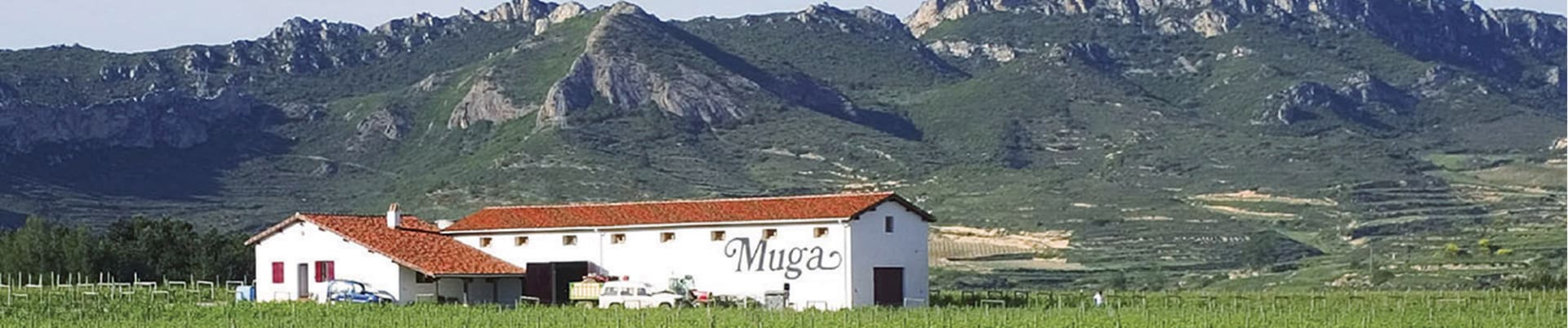





Bodegas Muga is a family firm founded in 1932 by Isaac Muga and Aurora Caño. The first wines were made in an underground cellar, until in 1968 they decided to set up their own winery in a beautiful old 19th-century town-house situated in the city of Haro. The Bodegas Muga outstanding feature is that it always uses the finest materials, combining tradition with the latest advances in winemaking so as always to give its wines the very best quality without losing authenticity. Indeed, it is the only wine cellar in Spain which employs its own master cooper and coopers, who make all the vats for the cellar as well as the oak casks. The winery remains true to traditional winemaking methods such as racking the casks by gravity and fining the wine with fresh egg whites. Bodegas Muga has succeeded in combining the purest family tradition with an updated vision of the future which has allowed them to preserve their own personality and character.

Whether it’s playful and fun or savory and serious, most rosé today is not your grandmother’s White Zinfandel, though that category remains strong. Pink wine has recently become quite trendy, and this time around it’s commonly quite dry. Since the pigment in red wines comes from keeping fermenting juice in contact with the grape skins for an extended period, it follows that a pink wine can be made using just a brief period of skin contact—usually just a couple of days. The resulting color depends on grape variety and winemaking style, ranging from pale salmon to deep magenta.

Highly regarded for distinctive and age-worthy red wines, Rioja is Spain’s most celebrated wine region. Made up of three different sub-regions of varying elevation: Rioja Alta, Rioja Alavesa and Rioja Oriental. Wines are typically a blend of fruit from all three, although specific sub-region (zonas), village (municipios) and vineyard (viñedo singular) wines can now be labeled. Rioja Alta, at the highest elevation, is considered to be the source of the brightest, most elegant fruit, while grapes from the warmer and drier Rioja Oriental produce wines with deep color and higher alcohol, which can add great body and richness to a blend.
Fresh and fruity Rioja wines labeled, Joven, (meaning young) see minimal aging before release, but more serious Rioja wines undergo multiple years in oak. Crianza and Reserva styles are aged for one year in oak, and Gran Reserva at least two, but in practice this maturation period is often quite a bit longer—up to about fifteen years.
Tempranillo provides the backbone of Rioja red wines, adding complex notes of red and black fruit, leather, toast and tobacco, while Garnacha supplies body. In smaller percentages, Graciano and Mazuelo (Carignan) often serve as “seasoning” with additional flavors and aromas. These same varieties are responsible for flavorful dry rosés.
White wines, typically balancing freshness with complexity, are made mostly from crisp, fresh Viura. Some whites are blends of Viura with aromatic Malvasia, and then barrel fermented and aged to make a more ample, richer style of white.