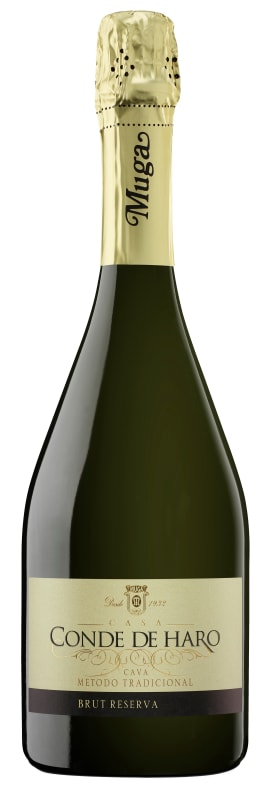


Winemaker Notes
This sparkling wine has a bright, straw-yellow color with fine, persistent bubbles. On the nose it is subtle and complex, with primary aromas of grapefruit, lemon and green apples, complemented by bakers' shop notes, brioche, biscuits and dried fruit and nuts from its ageing on its lees for 24 months. It is fresh and perfectly balanced on the palate, with a harmonious balance between fruit and acidity. The bubbles are fine and creamy, giving the wine an elegant texture. The finish is long and persistent, leaving a creamy touch and delicate notes of dried fruit and nuts.
Professional Ratings
-
James Suckling
A dry and vivid Cava with lovely clean aromas of apples, pears and macadamia nuts. It’s medium-bodied with fine bubbles and a fresh finish. Viura and chardonnay.
-
Robert Parker's Wine Advocate
The sparkling white 2021 Conde de Haro was produced with a blend of Viura and Chardonnay and still sold under the Cava appellation even though Rioja now allows sparkling wines too. It fermented in oak vats, where the wine was kept until the end of April following the harvest, and then put to referment in bottle, where the wine matured with lees for no less than 24 months. It has 12% alcohol, a pH of 3.09, 5.93 grams of acidity and two grams of residual sugar. They harvested the Chardonnay in September, something quite unusual, as it was a later harvest with a longer cycle and full development of aromas and flavors in the grapes. The wine is clean and expressive, quite young and subtle. It's tasty, has abundant, small bubbles and a dry finish. 60,000 bottles produced. It was disgorged in March 2024.
-
Vinous
The 2021 Brut Reserva Cava Conde de Haro is a traditional-method sparkling wine made from Viura and Chardonnay. Aromas of baked apple, soft herbs, yeast and delicate pastry are lifted by lime zest and a subtle mint note, while the dry, broad, slightly coarse mousse has attractive freshness. The 2021 ends with a charming gust of pastry.
-
Wine Spectator
Well-cut by tangy acidity and a subtle streak of salinity, this balanced sparkler features a fine, lively bead, with flavors of plum, kumquat, raw almond and biscuit. Rich hints of smoke and toast show on the finish. Viura and Malvasia. Drink now. 2,500 cases made, 400 cases imported.
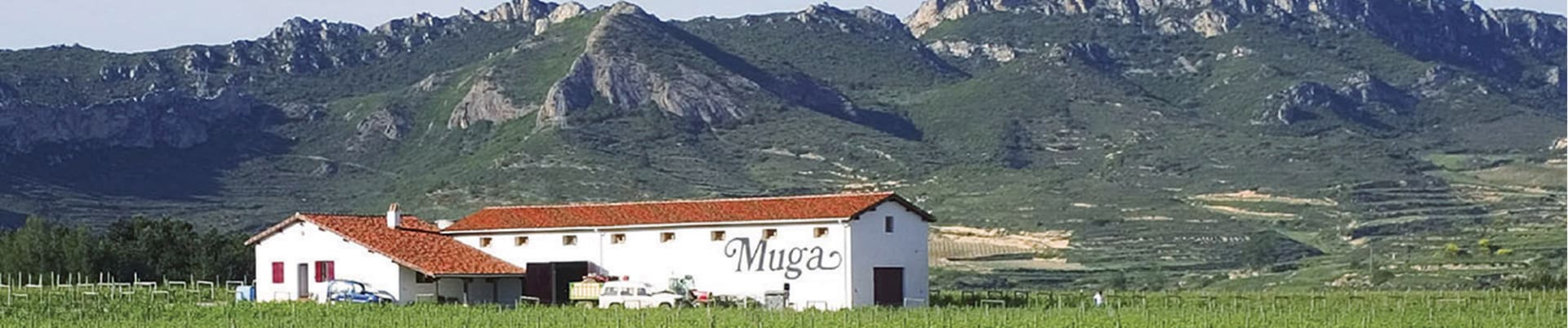




Bodegas Muga is a family firm founded in 1932 by Isaac Muga and Aurora Caño. The first wines were made in an underground cellar, until in 1968 they decided to set up their own winery in a beautiful old 19th-century town-house situated in the city of Haro. The Bodegas Muga outstanding feature is that it always uses the finest materials, combining tradition with the latest advances in winemaking so as always to give its wines the very best quality without losing authenticity. Indeed, it is the only wine cellar in Spain which employs its own master cooper and coopers, who make all the vats for the cellar as well as the oak casks. The winery remains true to traditional winemaking methods such as racking the casks by gravity and fining the wine with fresh egg whites. Bodegas Muga has succeeded in combining the purest family tradition with an updated vision of the future which has allowed them to preserve their own personality and character.

Representing the topmost expression of a Champagne house, a vintage Champagne is one made from the produce of a single, superior harvest year. Vintage Champagnes account for a mere 5% of total Champagne production and are produced about three times in a decade. Champagne is typically made as a blend of multiple years in order to preserve the house style; these will have non-vintage, or simply, NV on the label. The term, "vintage," as it applies to all wine, simply means a single harvest year.

Highly regarded for distinctive and age-worthy red wines, Rioja is Spain’s most celebrated wine region. Made up of three different sub-regions of varying elevation: Rioja Alta, Rioja Alavesa and Rioja Oriental. Wines are typically a blend of fruit from all three, although specific sub-region (zonas), village (municipios) and vineyard (viñedo singular) wines can now be labeled. Rioja Alta, at the highest elevation, is considered to be the source of the brightest, most elegant fruit, while grapes from the warmer and drier Rioja Oriental produce wines with deep color and higher alcohol, which can add great body and richness to a blend.
Fresh and fruity Rioja wines labeled, Joven, (meaning young) see minimal aging before release, but more serious Rioja wines undergo multiple years in oak. Crianza and Reserva styles are aged for one year in oak, and Gran Reserva at least two, but in practice this maturation period is often quite a bit longer—up to about fifteen years.
Tempranillo provides the backbone of Rioja red wines, adding complex notes of red and black fruit, leather, toast and tobacco, while Garnacha supplies body. In smaller percentages, Graciano and Mazuelo (Carignan) often serve as “seasoning” with additional flavors and aromas. These same varieties are responsible for flavorful dry rosés.
White wines, typically balancing freshness with complexity, are made mostly from crisp, fresh Viura. Some whites are blends of Viura with aromatic Malvasia, and then barrel fermented and aged to make a more ample, richer style of white.