


Winemaker Notes
Perfect on its own or as an accompaniment to a variety of dishes. Works well as an aperitif, with pasta and rice dishes, salads, fish and white meats.
Blend: 50% Tempranillo, 50% Garnacha
Professional Ratings
-
James Suckling
A crisp and elegant rosé with some light strawberries, grapefruit and stones. Crisp, but also textured, with an elegant mid-palate and fresh, primary cherry flavors.
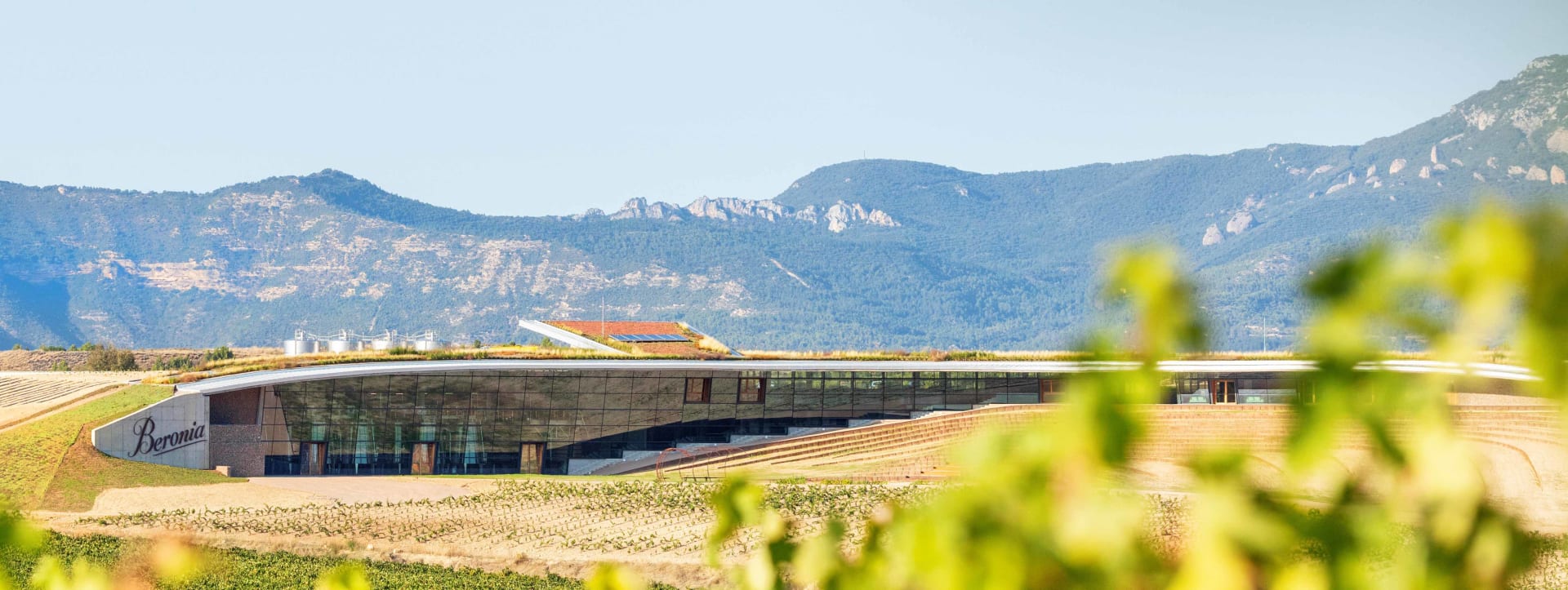




Beronia: Rooted in Friendship
Beronia was founded in 1973 by a group of friends who had a mission to create great wines to complement their culinary creations. The flagship winery, one of the most sustainable in Europe, is located in La Rioja, one of the most important wine regions in Spain. The second winery, solely dedicated to the production of verdejo is located in Rueda, the home of this Spanish variety.
Beronia Rioja is located in the Rioja Alta village of Ollauri, where the River Ebro and Cantabrian mountains shape the land. Rooted in the region, the winery pays tribute to Los Berones, a celtic tribe who inhabited the region in 3rd Century BC, the origins of Rioja. Privileged to be part of two iconic Spanish wine regions, Rioja and Rueda, Beronia is committed to sustainability and finding the perfect balance between honoring local winemaking traditions while pioneering advance modern techniques to make the very best wines the land can produce.
Created by friends who loved food and wine, Beronia remains rooted in friendship, striving to bring people together around the table to enjoy good food, good wine and most importantly good company.
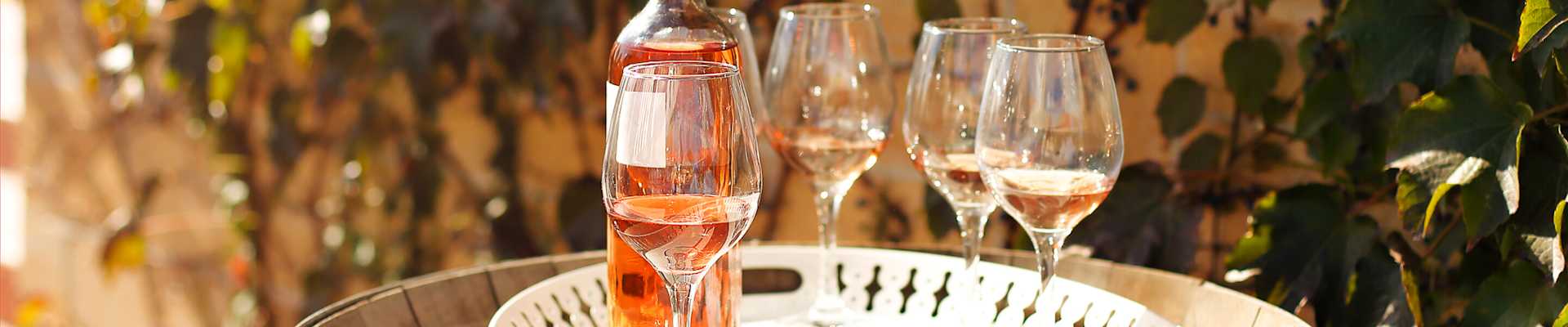
Whether it’s playful and fun or savory and serious, most rosé today is not your grandmother’s White Zinfandel, though that category remains strong. Pink wine has recently become quite trendy, and this time around it’s commonly quite dry. Since the pigment in red wines comes from keeping fermenting juice in contact with the grape skins for an extended period, it follows that a pink wine can be made using just a brief period of skin contact—usually just a couple of days. The resulting color depends on grape variety and winemaking style, ranging from pale salmon to deep magenta.

Highly regarded for distinctive and age-worthy red wines, Rioja is Spain’s most celebrated wine region. Made up of three different sub-regions of varying elevation: Rioja Alta, Rioja Alavesa and Rioja Oriental. Wines are typically a blend of fruit from all three, although specific sub-region (zonas), village (municipios) and vineyard (viñedo singular) wines can now be labeled. Rioja Alta, at the highest elevation, is considered to be the source of the brightest, most elegant fruit, while grapes from the warmer and drier Rioja Oriental produce wines with deep color and higher alcohol, which can add great body and richness to a blend.
Fresh and fruity Rioja wines labeled, Joven, (meaning young) see minimal aging before release, but more serious Rioja wines undergo multiple years in oak. Crianza and Reserva styles are aged for one year in oak, and Gran Reserva at least two, but in practice this maturation period is often quite a bit longer—up to about fifteen years.
Tempranillo provides the backbone of Rioja red wines, adding complex notes of red and black fruit, leather, toast and tobacco, while Garnacha supplies body. In smaller percentages, Graciano and Mazuelo (Carignan) often serve as “seasoning” with additional flavors and aromas. These same varieties are responsible for flavorful dry rosés.
White wines, typically balancing freshness with complexity, are made mostly from crisp, fresh Viura. Some whites are blends of Viura with aromatic Malvasia, and then barrel fermented and aged to make a more ample, richer style of white.