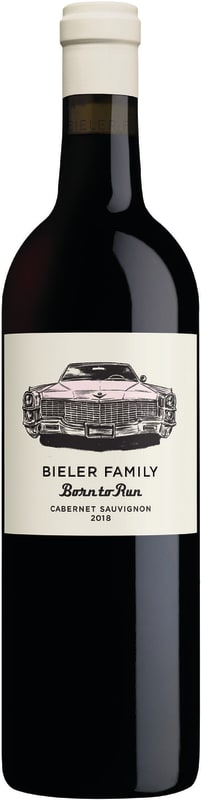


Winemaker Notes
A rich, soft California Cabernet Sauvignon blended with dark, brooding, and structured Cabernet Sauvignon from Washington State. A gorgeous blend that’s all its own and more complex than its parts.
This Cabernet Sauvignon is 100% American: 50% from the Columbia Valley in Washington State, 50% from California. The Washington State vineyards are located on the edge of Red Mountain in Columbia Valley – this sund-renched climate provides both the structure and finesse of the Old World, with the succulent ripe flavors of the New World. The Washington State fruit was fermented whole berry, and natively, with the wine was on the skins for 35 days – this allowed the wine to develop impressive density and a chewy structure. California vineyards are older vines on the west side of Lodi on the edge of the Delta, which allows for grapes with ripe fruit flavors, natural acidity and complexity. The California component, which was aged in some oak after a traditional fermentation, is quite soft and luscious.
Professional Ratings
-
Wine Enthusiast
A ripe plum aroma is joined by the slightest hint of creosote on the nose. The palate echoes the nose, adding blueberry and cassis notes joined by dried tobacco and allspice. There is a firm grip of tannins that holds on tight but is eventually taken over by a wash of mouthwatering acidity on the plummy finish.


A noble variety bestowed with both power and concentration, Cabernet Sauvignon enjoys success all over the globe, its best examples showing potential to age beautifully for decades. Cabernet Sauvignon flourishes in Bordeaux's Medoc where it is often blended with Merlot and smaller amounts of some combination of Cabernet Franc, Malbecand Petit Verdot. In the Napa Valley, ‘Cab’ is responsible for some of the world’s most prestigious, age-worthy and sought-after “cult” wines. Somm Secret—DNA profiling in 1997 revealed that Cabernet Sauvignon was born from a spontaneous crossing of Cabernet Franc and Sauvignon Blanc in 17th century southwest France.

From Alabama to Wyoming, each of the fifty United States produces wine—with varying degrees of success. Many of the colder northeastern states focus primarily on American or French-American hybrid varieties like Concord and Vidal, while Muscadine is the grape species of the warm, humid southeast. In Alaska, grapes are grown indoors in greenhouses; other states specialize in fruit wines, like the pineapple wine of Hawaii. New York and Virginia have thriving wine industries, and New Mexico, Arizona, Texas, Michigan, Idaho, and Ohio are all worth keeping an eye on.