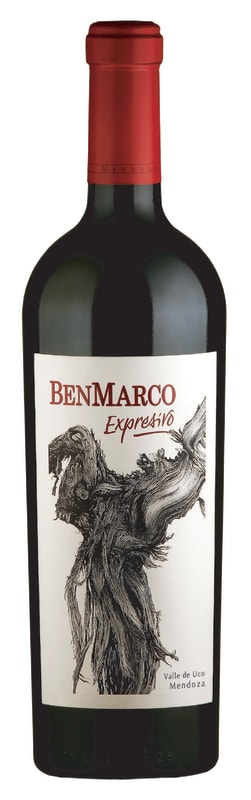


Winemaker Notes
Pair with grilled meats, veal, medium-strong cheeses and spicy sauces.
Blend: 75% Malbec, 25% Cabernet Franc
Professional Ratings
-
James Suckling
This really builds on the nose with notes of pure blackcurrants, iodine, ink, graphite, crushed stones, flint, morello-cherry essence and licorice. The fresh purity of the fruit that permeates the entire palate is what makes this wine. The tannins are so compact and dialed-in, framing tons of violet and lavender flavors and carrying them long on the finish. 75% malbec and 25% cabernet franc. Drink in 2022.
-
Robert Parker's Wine Advocate
There is great purity in the 2016 BenMarco Expresivo. It's floral, ethereal, fresh and complex, and it's still very young and lively in a way that I really like. This year the blend is 75% Malbec and 25% Cabernet Franc, with all the wild herbs and flowers from Gualtallary. It has a vibrant palate, with the varieties nicely integrated and complementing each other.
-
Wine Enthusiast
Blackberry and black currant aromas are not overtly oaky despite there being a touch of smoke to the nose. A flush, lush palate is pulpy and cut by lemony oak, while this tastes largely of blackberry, cassis and plum. Nuance and complexity are not highly prominent on this fruitforward blend of 75% Malbec and 25% Cabernet Franc.
-
Wilfred Wong of Wine.com
COMMENTARY: I have enjoyed the BenMarco wines for nearly two decades. The 2016 Expresivo Red Blend is a delicious blend of 75% Malbec and 25% Cabernet Franc. TASTING NOTES: This wine is as its name implies, "expressive." Its aromas and flavors of lively black fruit and attractive dried earth stay generous on the wine's palate. Pair it with oven-baked short ribs and have a great time. (Tasted: September 9, 2019, San Francisco, CA)
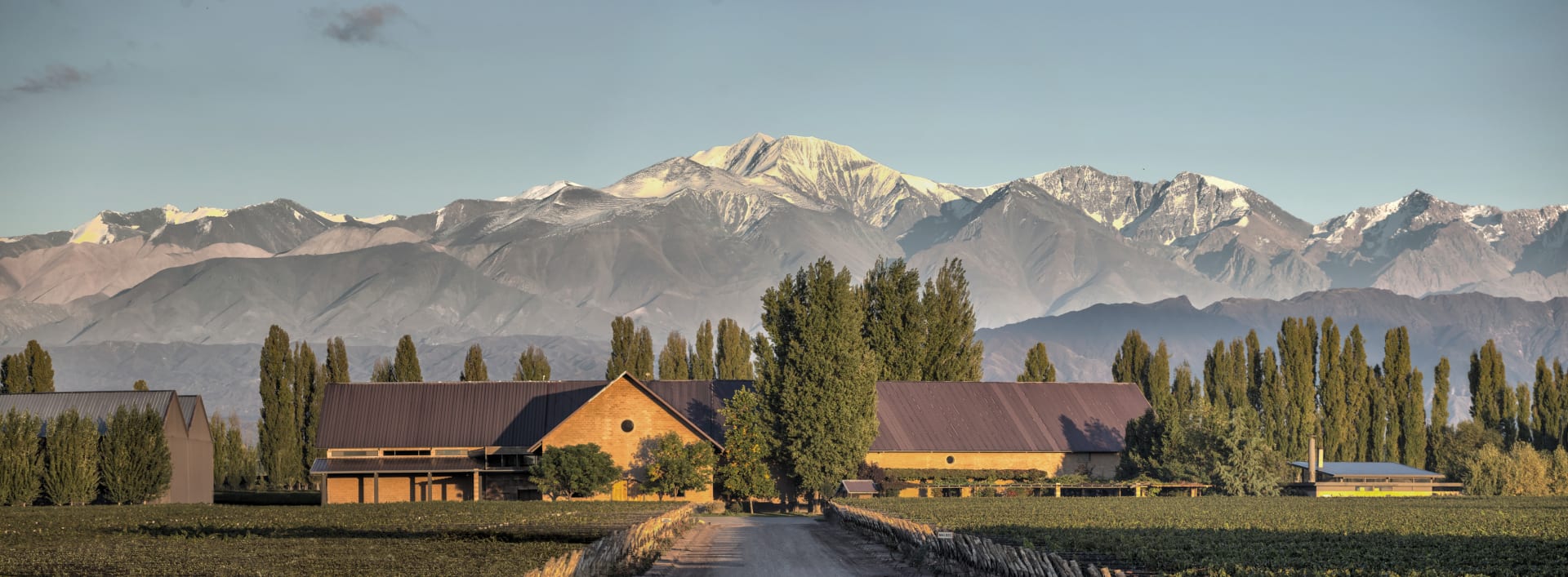


BenMarco is all about viticulture. Having planted more than 3,000 acres of vineyards across Argentina’s diverse terroirs, Edgardo “Edy” Del Popolo, General Manager of Susana Balbo Wines in Mendoza and head winemaker for BenMarco, is Argentina’s most knowledgeable winegrower. He has tasted almost every piece of dirt!
BenMarco wines are made with minimal intervention to allow for the purest interpretation of what’s underground on the extreme sites where the grapes for BenMarco are grown. “I try to avoid adding my influence to BenMarco wines,” Edy says. “What I really like to see is what the vines can do, without any kind of winemaking influence.”
Edy grows three red wines from three distinct, high-elevation sub-zones of Mendoza: a Malbec from Los Chacayes, a Cabernet Sauvignon from Los Árboles, and Expresivo, a red blend from Gualtallary.

With hundreds of red grape varieties to choose from, winemakers have the freedom to create a virtually endless assortment of blended red wines. In many European regions, strict laws are in place determining the set of varieties that may be used, but in the New World, experimentation is permitted and encouraged resulting in a wide variety of red wine styles. Blending can be utilized to enhance balance or create complexity, lending different layers of flavors and aromas. For example, a red wine blend variety that creates a fruity and full-bodied wine would do well combined with one that is naturally high in acidity and tannins. Sometimes small amounts of a particular variety are added to boost color or aromatics. Blending can take place before or after fermentation, with the latter, more popular option giving more control to the winemaker over the final qualities of the wine.
How to Serve Red Wine
A common piece of advice is to serve red wine at “room temperature,” but this suggestion is imprecise. After all, room temperature in January is likely to be quite different than in August, even considering the possible effect of central heating and air conditioning systems. The proper temperature to aim for is 55° F to 60° F for lighter-bodied reds and 60° F to 65° F for fuller-bodied wines.
How Long Does Red Wine Last?
Once opened and re-corked, a bottle stored in a cool, dark environment (like your fridge) will stay fresh and nicely drinkable for a day or two. There are products available that can extend that period by a couple of days. As for unopened bottles, optimal storage means keeping them on their sides in a moderately humid environment at about 57° F. Red wines stored in this manner will stay good – and possibly improve – for anywhere from one year to multiple decades. Assessing how long to hold on to a bottle is a complicated science. If you are planning long-term storage of your reds, seek the advice of a wine professional.

With vineyards tretching along the eastern side of the Andes Mountains from Patagonia in the south to Salta in the north, Argentina is one of the world’s largest and most dynamic wine producing countries—and most important in South America.
Since the late 20th century vineyard investments, improved winery technology and a commitment to innovation have all contributed to the country’s burgeoning image as a producer of great wines at all price points. The climate here is diverse but generally continental and agreeable, with hot, dry summers and cold snowy winters—a positive, as snow melt from the Andes Mountains is used heavily to irrigate vineyards. Grapes very rarely have any difficulty achieving full ripeness.
Argentina’s famous Mendoza region, responsible for more than 70% of Argentina’s wine production, is further divided into several sub-regions, with Luján de Cuyo and the Uco Valley most noteworthy. Red wines dominate here, especially Malbec, the country’s star variety, while Chardonnay is the most successful white.
The province of San Juan is best known for blends of Bonarda and Syrah. Torrontés is a specialty of the La Rioja and Salta regions, the latter of which is also responsible for excellent Malbecs grown at very high elevation.