


Winemaker Notes
Professional Ratings
-
Jeb Dunnuck
A blend of 60% Zinfandel along with Carignan, the 2022 The Bedrock Heritage displays a purple hue in the glass and offers aromas of licorice, menthol, toasted peppercorn, and blackberries. The palate is ripe yet weightless, with velvety tannin, even acidity, and a great, balanced feel throughout. It’s ripe but retains excellent purity and freshness, closing with a mouthwatering finish.
-
Robert Parker's Wine Advocate
The 2022 Bedrock Vineyard Heritage comes from a vineyard planted in 1888 to 29 different grape varieties. It has slowly unfurling scents of blueberry, red cherry and apricot with nuances of pepper, earth and floral potpourri. The full-bodied palate offers generous, nuanced flavors structured by youthfully chalky tannins and bursts of lip-smacking acidity, and it has a long, spicy finish.
-
Wine Spectator
Brooding and deeply structured, this retains a sense of focus and vibrancy, with flavors of wild berries, clove, savory anise and green peppercorn that build tension and zestiness toward medium-grained tannins. Zinfandel, Carignan and Mataro. Best from 2025 through 2034.

The winery’s objectives are:
To channel the fruit of ancient vines into powerful, elegant, and distinctly Californian wines.
To spread the gospel of Syrah in California by sourcing fruit from great terroirs throughout the North Coast.
To proclaim the greatness of Sonoma Valley Cabernet Sauvignon by sparing no expense on wines of uniqueness and personality.
To reclaim rose’ from the excesses of saignee and focus on precision, delicacy, aromatics, and food friendliness.
To make fascinating and quixotic white wines from unique sites and interesting varietals.
To dream big but keep production low!

With hundreds of red grape varieties to choose from, winemakers have the freedom to create a virtually endless assortment of blended red wines. In many European regions, strict laws are in place determining the set of varieties that may be used, but in the New World, experimentation is permitted and encouraged resulting in a wide variety of red wine styles. Blending can be utilized to enhance balance or create complexity, lending different layers of flavors and aromas. For example, a red wine blend variety that creates a fruity and full-bodied wine would do well combined with one that is naturally high in acidity and tannins. Sometimes small amounts of a particular variety are added to boost color or aromatics. Blending can take place before or after fermentation, with the latter, more popular option giving more control to the winemaker over the final qualities of the wine.
How to Serve Red Wine
A common piece of advice is to serve red wine at “room temperature,” but this suggestion is imprecise. After all, room temperature in January is likely to be quite different than in August, even considering the possible effect of central heating and air conditioning systems. The proper temperature to aim for is 55° F to 60° F for lighter-bodied reds and 60° F to 65° F for fuller-bodied wines.
How Long Does Red Wine Last?
Once opened and re-corked, a bottle stored in a cool, dark environment (like your fridge) will stay fresh and nicely drinkable for a day or two. There are products available that can extend that period by a couple of days. As for unopened bottles, optimal storage means keeping them on their sides in a moderately humid environment at about 57° F. Red wines stored in this manner will stay good – and possibly improve – for anywhere from one year to multiple decades. Assessing how long to hold on to a bottle is a complicated science. If you are planning long-term storage of your reds, seek the advice of a wine professional.
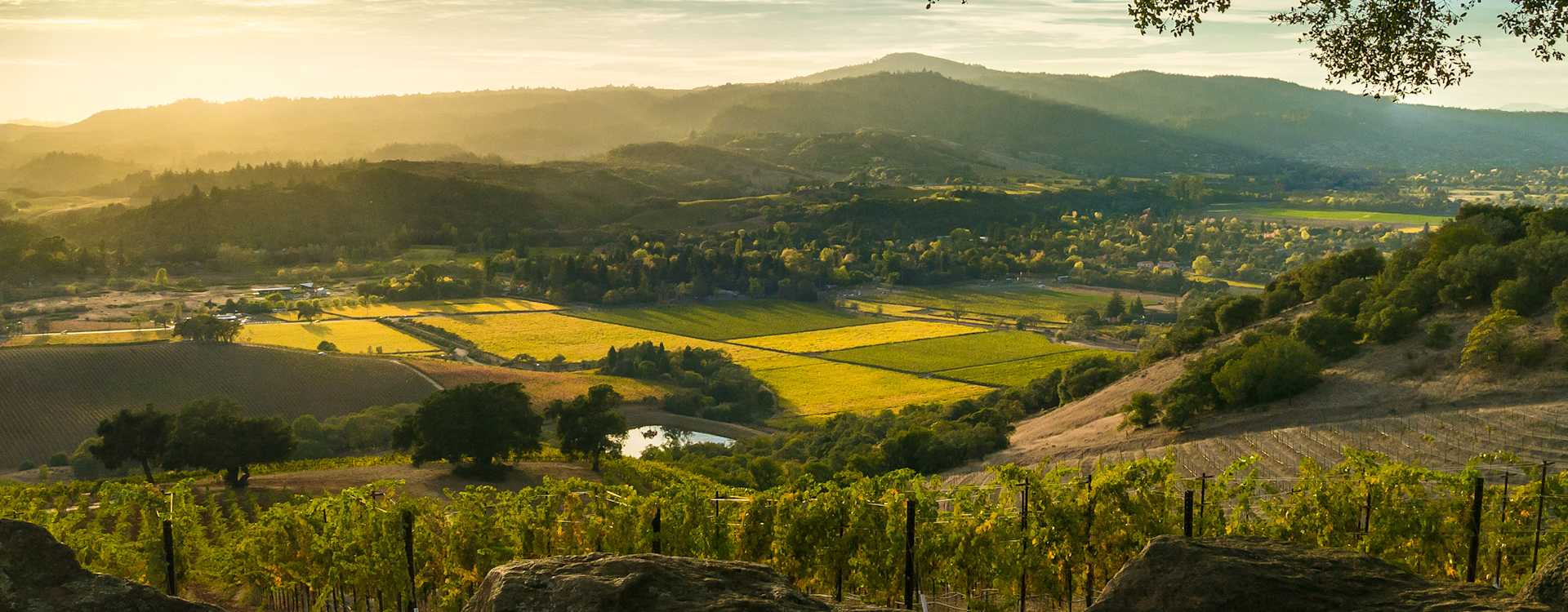
Perhaps the most historically significant appellation in Sonoma County, the Sonoma Valley is home to both Buena Vista winery, California's oldest commercial winery, and Gundlach Bundschu winery, California's oldest family-run winery.
It is also one of the more geologically and climactically diverse districts. The valley includes and overlaps four distinct Sonoma County sub-appellations, including Carneros, Moon Mountain District, Sonoma Mountain and Bennett Valley. With mountains, benchlands, plains, abundant sunshine and the cooling effects of the nearby Pacific, this appellation can successfully produce a wide range of grape varieties. Pinot Noir, Chardonnay, Cabernet Sauvignon, Gewürztraminer, and most notably, Zinfandel all thrive here. Ancient Zinfandel vines over 100 years old produce small crops of concentrated, spicy fruit, which in turn make some of the Valley's most unique wines. These can also be made as “field blends” (wines made from a mix of grape varieties grown in the same vineyard) along with Petite Sirah, Carignan and Alicante Bouschet.