
Winemaker Notes
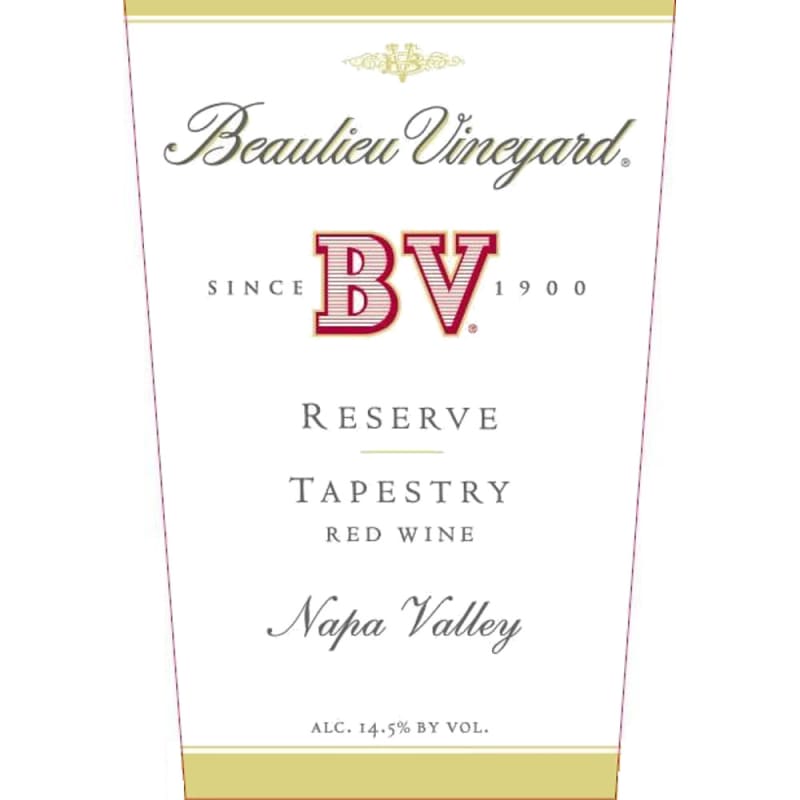
Varietal Blend: 81% Cabernet Sauvignon, 13% Merlot, 3% Cabernet Franc, 2% Malbec, 1% Petit Verdot
Professional Ratings
-
Wine Spectator
Shows excellent structure, intensity, depth and concentration, with a mix of spice, dried currant, blackberry, mocha, cedar and licorice. Full-bodied, at points rustic and chewy, yet also elegant and refined, ending with earthy graphite tannins. Cabernet Sauvignon, Merlot, Cabernet Franc, Malbec and Petit Verdot. Best from 2011 through 2020. 18,901 cases made.
-
Wine Enthusiast
Made from all five classic Bordeaux varieties, this is a rich, softly tannic and delicious wine. It brims with jammy blackberry, dark chocolate and sweet cedar flavors in a sweetly chewy texture that hints at further ageability. Drink now-2015.
-
Robert Parker's Wine Advocate
The 2007 Reserve Tapestry, a proprietary blend of Cabernet Sauvignon, Merlot, Cabernet Franc, Malbec and Petit Verdot, reveals gracious, reserved notes of blue, red and black fruits, licorice, underbrush, forest floor and background oak. The wine is medium to full-bodied, elegant and still young and reserved. Give it 2-3 years of bottle age and drink it over the following 15-20.
-
Wine & Spirits
A tightly built, relatively cool-climate style, this blend is mainly cabernet sauvignon (81 percent) with smaller amounts of four Bordeaux varieties (merlot, franc, malbec and petit verdot). The fruit is rich without any excess weight, the tannins yielding a mineral warmth. This is an earthy, savory red to serve with roast lamb.
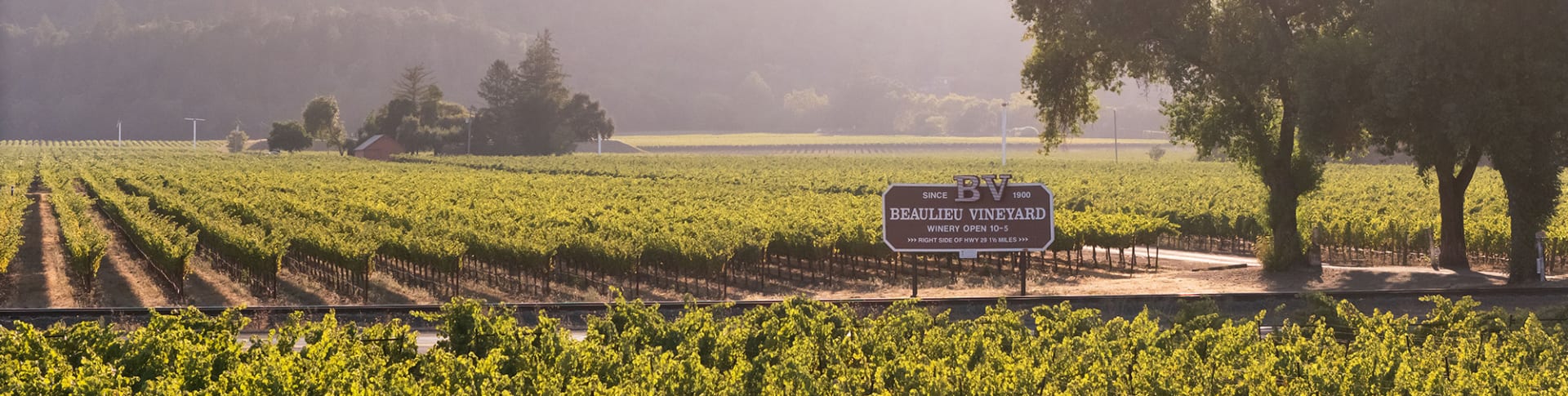



Undoubtedly proving its merit over and over, Napa Valley is a now a leading force in the world of prestigious red wine regions. Though Cabernet Sauvignon dominates Napa Valley, other red varieties certainly thrive here. Important but often overlooked include Merlot and other Bordeaux varieties well-regarded on their own as well as for their blending capacities. Very old vine Zinfandel represents an important historical stronghold for the region and Pinot noir is produced in the cooler southern parts, close to the San Pablo Bay.
Perfectly situated running north to south, the valley acts as a corridor, pulling cool, moist air up from the San Pablo Bay in the evenings during the hot days of the growing season, which leads to even and slow grape ripening. Furthermore the valley claims over 100 soil variations including layers of volcanic, gravel, sand and silt—a combination excellent for world-class red wine production.