


Winemaker Notes
The 2022 Tapestry Reserve presents a bold and expressive Bordeaux-style red blend, marked by its deep, intense character and elevated structure. Layers of dark fruit—blackberry, plum, and cassis—form the core of the palate, framed by heady aromatics and a generous use of new oak that imparts subtle notes of warm baking spices, toast, and a touch of nuttiness. The inclusion of more Malbec and Petit Verdot in this vintage adds both color intensity and a structural backbone, enhancing the wine’s age-worthiness while lending a more serious, focused profile. There's a distinct lift of acidity that keeps the wine vibrant and food-friendly, balancing the rich fruit and powerful tannins. Underlying it all is a clear sense of place, with an unmistakable earthy depth of Rutherford dust intertwined with the tension and energy of mountain fruit. The result is a dry, full-bodied red with compelling spice, polished structure, and a long, energetic finish.
This Bordeaux blend pairs beautifully with hearty, flavorful dishes like grilled ribeye steaks, roast leg of lamb, braised short ribs, and Porcini mushroom risotto.
Blend: 65% Cabernet Sauvignon, 14% Malbec, 10% Petit Verdot, 6% Merlot & 5% Cabernet Franc
Professional Ratings
-
James Suckling
So structured, spicy and full, with generous fruit flavors and energizing tannins. It's a Bordeaux-style red blend that in this vintage contains ample amounts of malbec and petit verdot that provide extra structural spine and a nutty, toasty character. It lead with 65% cabernet sauvignon and also has lesser amounts of merlot and cabernet franc. Aged in 60% new French oak. Drink now or hold.
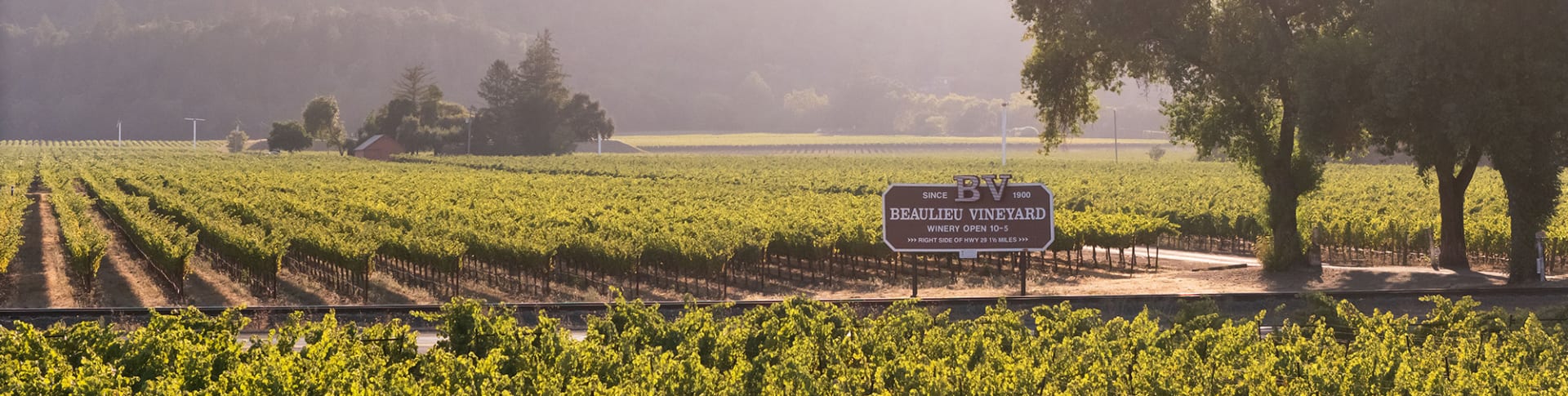



Undoubtedly proving its merit over and over, Napa Valley is a now a leading force in the world of prestigious red wine regions. Though Cabernet Sauvignon dominates Napa Valley, other red varieties certainly thrive here. Important but often overlooked include Merlot and other Bordeaux varieties well-regarded on their own as well as for their blending capacities. Very old vine Zinfandel represents an important historical stronghold for the region and Pinot noir is produced in the cooler southern parts, close to the San Pablo Bay.
Perfectly situated running north to south, the valley acts as a corridor, pulling cool, moist air up from the San Pablo Bay in the evenings during the hot days of the growing season, which leads to even and slow grape ripening. Furthermore the valley claims over 100 soil variations including layers of volcanic, gravel, sand and silt—a combination excellent for world-class red wine production.