

Winemaker Notes
Professional Ratings
-
James Suckling
Impressively ripe and very nicely integrated, red to black-cherry aromas here, leading to a neatly integrated palate that delivers the right balance of gently grainy tannins and supple fruit flesh.
-
Wilfred Wong of Wine.com
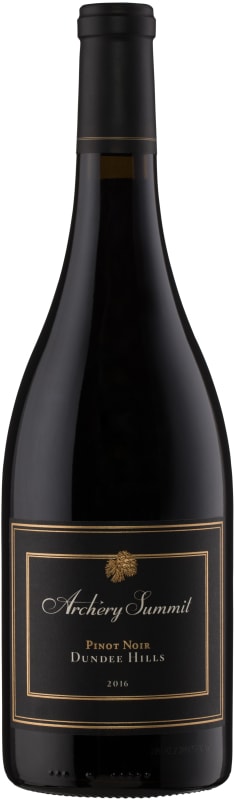
COMMENTARY: As the climate changes, I am experiencing riper and riper Oregon Pinot Noirs. The 2016 Archery Summit Dundee Hills Pinot Noir is a large volume wine. TASTING NOTES: This wine is generous all the way and around. Its aromas and flavors of black fruit with a shading of oak should pair it well with grilled salmon fillets. (Tasted: October 24, 2018, San Francisco, CA)
-
Wine Enthusiast
The first of the winery's 2016s, this young wine shows tart pomegranate and white raspberry fruits, with a hint of watermelon, as one might find in a rosé. Fermented in a mix of oak, concrete and stainless steel, the resulting blend is lighter than the previous vintage, with a well-balanced, savory finish.





In 1993, Archery Summit set its sights on creating wines of real purpose in the Willamette Valley. Since then, the Dundee Hills winery has helped establish the region as the cradle of cooler-climate American wine. Winemaker Kim Abrahams and her team achieve bar-raising wines through hard-won instincts—the familiarity gained from many shared vintages and from tending vineyard sites they know intimately.
As responsible stewards of the land, Archery Summit engages in minimal-impact agriculture. Sustainability is a dynamic and vital part of growing wine—a practice that ensures both the industry’s future and the overall health of the trade. They practice sustainability wherever possible, from responsible farming in the vineyard to energy-sensitive approaches in the cellar.
Many of the vineyard sites are LIVE (Low Input Viticulture & Enology) certified, meaning they adhere to an internationally-acclaimed set of sustainability standards. These guidelines are site-specific and focus on strengthening the well-being of the vineyard through minimal spraying, careful clone selection, heightened biodiversity, and more. Archery Summit is committed to ensuring that the soils and biodiversity of each site remain as healthy and vibrant as when they first began cultivating them.

Thin-skinned, finicky and temperamental, Pinot Noir is also one of the most rewarding grapes to grow and remains a labor of love for some of the greatest vignerons in Burgundy. Fairly adaptable but highly reflective of the environment in which it is grown, Pinot Noir prefers a cool climate and requires low yields to achieve high quality. Outside of France, outstanding examples come from in Oregon, California and throughout specific locations in wine-producing world. Somm Secret—André Tchelistcheff, California’s most influential post-Prohibition winemaker decidedly stayed away from the grape, claiming “God made Cabernet. The Devil made Pinot Noir.”

Home of the first Pinot noir vineyard of the Willamette Valley, planted by David Lett of Eyrie Vineyard in 1966, today the Dundee Hills AVA remains the most densely planted AVA in the valley (and state). To its north sits the Chehalem Valley and to its south, runs the Willamette River. Within the region’s 12,500 acres, about 1,700 are planted to vine on predominantly basalt-based, volcanic, Jory soil.