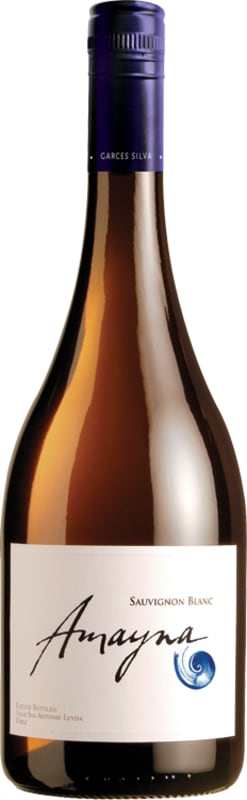


Winemaker Notes
Bright in color with gentile notes of green and light yellow. In the nose, it shows intensity with the expression of tropical fruits such as mango, pineapple and passion fruit. It is complimented by a soft citric sensation as well as spicy and floral notes, reminiscent of ginger and jasmine. In the mouth it shows a balanced acidity, viscosity and long complex finish. Ideal with goat cheese, shellfish, oysters, and mild fish.
Professional Ratings
-
Robert Parker's Wine Advocate
The 2024 Amayna Sauvignon Blanc is a notably pure, transparent expression of Leyda Valley, leading with a tropical yet poised and floral nose. The palate balances a dense, textural breadth with focused, vibrant acidity through the finish. This is certainly the more weighty and powerful of the Garcés Silva Sauvignon Blancs, although it does not lack verve and precision.


Matias Garcés Silva launched Amayna with his family's support with their first vintage in 2003. However, the project had its origins in the late 90's when the Garcés Silva family recognized the incredible, overlooked potential of Chile's San Antonio coast for premium viticulture. After building a pipeline from the Maipo river to this region to bring water for vine irrigation, the Leyda Valley officially entered the world of fine Chilean wine.
The word "amayna" in Chile loosely translates to "the calm after the storm" - that ominous yet peaceful feeling that you only experience around the ocean. Their gravity-fed winery and vineyards sit with an unobstructed view just 7 miles from the Pacific Ocean.
All Amayna wines are certified sustainable through Wines of Chile Sustainability Code.

Capable of a vast array of styles, Sauvignon Blanc is a crisp, refreshing variety that equally reflects both terroir and varietal character. Though it can vary depending on where it is grown, a couple of commonalities always exist—namely, zesty acidity and intense aromatics. This variety is of French provenance. Somm Secret—Along with Cabernet Franc, Sauvignon Blanc is a proud parent of Cabernet Sauvignon. That green bell pepper aroma that all three varieties share is no coincidence—it comes from a high concentration of pyrazines (herbaceous aromatic compounds) inherent to each member of the family.

An officially recognized sub-zone in the southern part of the San Antonio Valley, the Leyda Valley was the original settlement of the wine pioneers who came to the area in the 1990s. They were in search of cooler and wetter growing conditions—as compared to more eastern, drier and often warmer locations.
Planting, which began only in the late 1990s, focused on Sauvignon blanc, Chardonnay, Pinot noir and some limited spots for Syrah. The area continues to receive well-earned accolades for wines of these varieties.