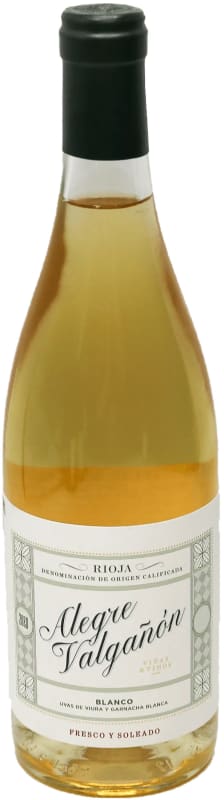


Winemaker Notes
The intact bunches are pressed slowly, and the wines are aged in used French demi-muid for over a year. The debut release already shows a heady mix of precocious fruit coupled with a muscular mouthfeel and terrific length.
Blend: 90% Viura, 10% Garnacha Blanca
Professional Ratings
-
Robert Parker's Wine Advocate
The 2019 Blanco is a blend of Viura and Garnacha Blanca that wants to be fresh but complex, elegant but structured. It's a blend of different vinifications, some with skin contact, some with malolactic, etc. in search of achieving more complexity and showing the limestone soils from a cool place even, in warmer vintages like this 2019. The bottled wine is 13.05% alcohol and has freshness with a pH of 3.3 and close to six grams of tartaric. It's very medicinal, textured and with some tannin, from early-picked grapes to keep the acidity. It's also balsamic, with notes of cloves, dry flowers, chamomile, quince and citrus, so it's certainly not your average young white from Rioja. It aged in oak for 11 months (500-liter barrels and 1,000-liter foudres). The palate has a lovely texture, round and lush with great freshness, and it's structured and long. I love it.

With hundreds of white grape varieties to choose from, winemakers have the freedom to create a virtually endless assortment of blended white wines. In many European regions, strict laws are in place determining the set of varieties that may be used in white wine blends, but in the New World, experimentation is permitted and encouraged. Blending can be utilized to enhance balance or create complexity, lending different layers of flavors and aromas. For example, a variety that creates a soft and full-bodied white wine blend, like Chardonnay, would do well combined with one that is more fragrant and naturally high in acidity. Sometimes small amounts of a particular variety are added to boost color or aromatics. Blending can take place before or after fermentation, with the latter, more popular option giving more control to the winemaker over the final qualities of the wine.

Highly regarded for distinctive and age-worthy red wines, Rioja is Spain’s most celebrated wine region. Made up of three different sub-regions of varying elevation: Rioja Alta, Rioja Alavesa and Rioja Oriental. Wines are typically a blend of fruit from all three, although specific sub-region (zonas), village (municipios) and vineyard (viñedo singular) wines can now be labeled. Rioja Alta, at the highest elevation, is considered to be the source of the brightest, most elegant fruit, while grapes from the warmer and drier Rioja Oriental produce wines with deep color and higher alcohol, which can add great body and richness to a blend.
Fresh and fruity Rioja wines labeled, Joven, (meaning young) see minimal aging before release, but more serious Rioja wines undergo multiple years in oak. Crianza and Reserva styles are aged for one year in oak, and Gran Reserva at least two, but in practice this maturation period is often quite a bit longer—up to about fifteen years.
Tempranillo provides the backbone of Rioja red wines, adding complex notes of red and black fruit, leather, toast and tobacco, while Garnacha supplies body. In smaller percentages, Graciano and Mazuelo (Carignan) often serve as “seasoning” with additional flavors and aromas. These same varieties are responsible for flavorful dry rosés.
White wines, typically balancing freshness with complexity, are made mostly from crisp, fresh Viura. Some whites are blends of Viura with aromatic Malvasia, and then barrel fermented and aged to make a more ample, richer style of white.