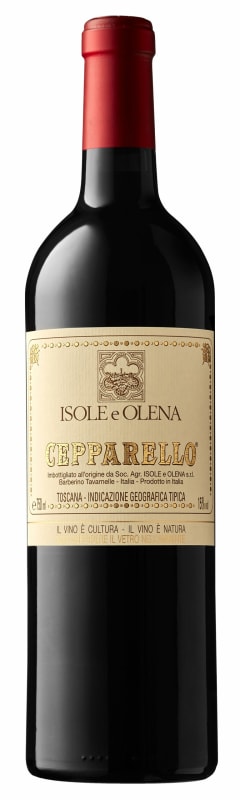


Winemaker Notes
#80 Wine Spectator Top 100 of 2023
Intense bright ruby in color. Complex aromas ranging from floral to wild berries with hints of spice. The palate is characterized by red cherries, earthy with a depth of complex savory acidity and soft tannins.
Professional Ratings
-
Vinous
The 2020 Cepparello is a total stunner, just as it was last year. Deeply colored, layered and explosive in the glass, the 2020 possesses striking textural richness and overall intensity. Black cherry, graphite, plum, spice and lavender flesh out effortlessly. There's tremendous pedigree and sheer stature here. Cepparello is surely one of the wines of the year.
-
James Suckling
Smoky and austere wine with a restrained nose of dark cherries allied to assertive bergamot and slightly chocolatey depth. Full-bodied with a smooth attack, then dense and velvety with a vibrant and energetic palate. Juicy and toasty in the aftertaste. Drink or hold.
-
Robert Parker's Wine Advocate
Supple and smooth, the 2020 Cepparello brings Sangiovese to soaring heights in a manner only Paolo De Marchi can manage. This is his second to last vintage before he would retire and sell this historic estate. The wine opens to medium to full-bodied concentration with dark plum and redcurrant. Those cede to sweet spice, earth, crushed stone, rusty nail and candied orange peel. Give the wine more time to flesh out with cellar age. It registers a powerful 15% alcohol content.
-
Wine Spectator
Expressive and sumptuous from the get-go, this red features cherry, strawberry, rose, orange peel, mineral and Tuscan herb aromas and flavors. Sangiovese. Best from 2025 through 2045.
-
Wilfred Wong of Wine.com
Controlled power, the excellent 2020 Isole e Elena Cepparello elevated wine enjoyment to a new place. This wine offers a blend of red and black fruits, complemented by alluring oak and satisfying textures. Serve it with an English-style Prime Rib and don't forget the Yorkshire Pudding. (Tasted: May 30, 2025, San Francisco, CA)
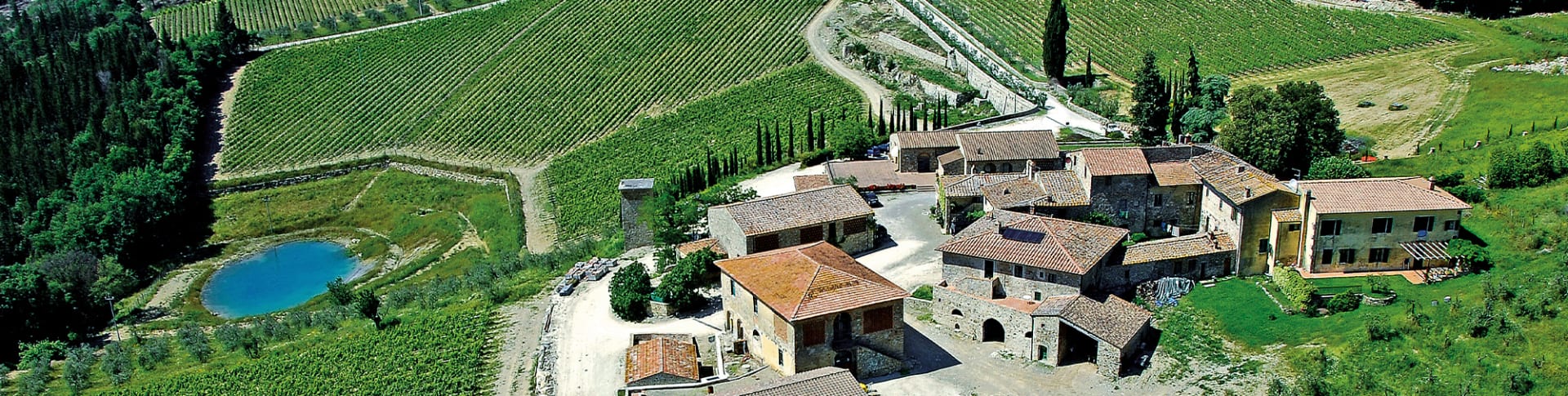


Founded in 1956 by Francesco De Marchi, this historic Chianti Classico estate is located in the western part of the denomination, near Castellina in Chianti, in the commune of Barberina Val d’Elsa. Isole e Olena’s 56 hectares (138 acres) of vineyards sit at 350-450 meters (1,148 – 1,476 feet) above sea level on soils of galestro and marly schist.
In 1975, Francesco’s son, Paolo De Marchi, ushered in a new era at Isole e Olena by taking over the estate. With his background in agricultural studies, Paolo started to revolutionize the winery beginning in the vineyards. He began experiments with the clear goal of enhancing the quality of the region, improving the performance of the local grape varieties (mainly Sangiovese) through massal selection, and mapping his galestro-driven soils. Thanks to the philosophy of Paolo De Marchi, Isole e Olena is considered among the pioneer estates who led the quality renaissance of Chianti Classico starting in the 1970s and becoming a reference for the area.
1980 saw the first bottling of Cepparello, a pure Sangiovese from old vines, aged in barrique, which in time has become an emblem of Isole e Olena. First classified as “vino da tavola” (table wine) it went on to become one of the first Supertuscan wines, showing the character and longevity of Sangiovese from this high-altitude corner of Chianti Classico. Cepparello is the result of Paolo’s extensive study of the Sangiovese grape and his belief in the potential of its expression.
Today Isole e Olena is recognized for the leading role it played in the emergence of the Chianti Classico region and respected for its authentic style of Chianti Classico – fragrant and well-balanced with purity of fruit – which is representative of its high-altitude territory. In addition to Chianti Classico and Cepparello, Isole e Olena also produces a series of single varietal wines: Chardonnay, Syrah, and Cabernet Sauvignon, as well as an acclaimed Vin Santo.

Legendary in Italy for its Renaissance art and striking landscape, Tuscany is also home to many of the country’s best red wines. Sangiovese reigns supreme here, as either the single varietal, or a dominant player, in almost all of Tuscany’s best.
A remarkable Chianti, named for its region of origin, will have a bright acidity, supple tannins and plenty of cherry fruit character. From the hills and valleys surrounding the medieval village of Montalcino, come the distinguished and age-worthy wines based on Brunello (Sangiovese). Earning global acclaim since the 1970s, the Tuscan Blends are composed solely of international grape varieties or a mix of international and Sangiovese. The wine called Vine Nobile di Montepulciano, composed of Prognolo Gentile (Sangiovese) and is recognized both for finesse and power.