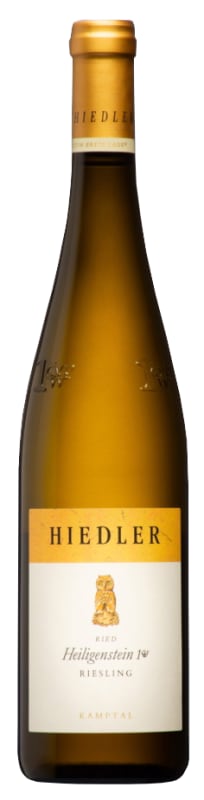


Winemaker Notes
A vineyard that characterizes the Kamptal landscape like no other and is one of the most famed and outstanding crus in Austria. The Heiligenstein is a unique geological formation within Europe; a geological island. The old vines grow on a complex sedimentary soil structure, on sandstone conglomerate with red arkoses and volcanic quartz porphyries. This 280 million year old Permian soil is unique and has remained unchanged through the history of the earth. 60-year-old vines, planted on narrow terraces, yield a highly complex Riesling with a strong personality and a delicately spicy mineral expression.
Professional Ratings
-
James Suckling
This firmly structured dry riesling shows off the serious side of the Heiligstein site, but also has plenty of citrus aromas. Still a bit closed, but with impressive depth on the medium-bodied palate, and the long finish is positively firm. Sustainable. Drinkable now, but best from 2026.
-
Wine Spectator
Generous and open, offering a wealth of yuzu, kumquat and lentil earthiness in a full, concentrated profile. Sweet, floral notes bring lift, while yeasty, salty and chive elements bring savory energy. Smoky and earthy til the end.


Riesling possesses a remarkable ability to reflect the character of wherever it is grown while still maintaining its identity. A regal variety of incredible purity and precision, this versatile grape can be just as enjoyable dry or sweet, young or old, still or sparkling and can age longer than nearly any other white variety. Somm Secret—Given how difficult it is to discern the level of sweetness in a Riesling from the label, here are some clues to find the dry ones. First, look for the world “trocken.” (“Halbtrocken” or “feinherb” mean off-dry.) Also a higher abv usually indicates a drier Riesling.

Climbing north and slightly east of the Kremstal region, Kamptal has very little vineyard area bordering the Danube River (unlike Wachau and Kremstal, whose vineyards run along it). The region takes its name from the river called Kamp, which traverses it north and south. Kamptal’s densely planted vineyards represent eight percent of Austria’s total.
The area experiences wide diurnal temperature variations like the Wachau but with less rain and more frost. Its vast geologic diversity makes it suitable for various experimentations with other varieties besides Grüner Veltliner and Riesling, such as Chardonnay, Pinot Blanc (Weissburgunder), Sauvignon Blanc, Pinot Noir, St. Laurent and Zweigelt.
But the region is probably most noted for the beautiful and expansive terraced Heiligenstein, arguably one of the world’s top Riesling sites, as well as some of Austria’s most extraordinary Grüner Veltliner vineyards. Kamptal’s soils, which are mostly loess and sand with some gravel and rocks, make it suitable for Grüner Veltliner, so much so that actually half of the zone is planted to that grape.