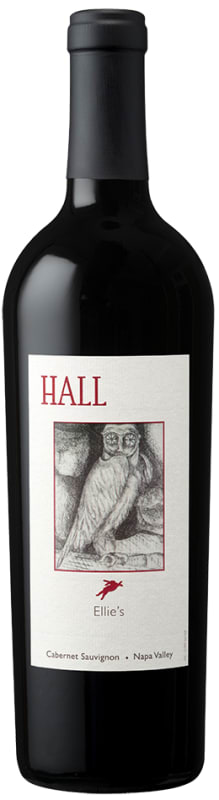


Winemaker Notes
Professional Ratings
-
Wilfred Wong of Wine.com
COMMENTARY: Who would have believed that a table wine with 15.2% alcohol could be elegant? The 2014 Hall Ellie's Cabernet Sauvignon is beautiful in all respects. TASTING NOTES: This comes on big and rich, yet stays smooth and enjoyable on the palate. Its fine combination of ripe red and black fruits, chalky minerality, and smooth oakiness make it a nice choice for grilled beef dishes. (Tasted: March 29, 2018, San Francisco, CA)
-
Wine Enthusiast
Softened by 6% Merlot, this is a classically elegant wine, juicy in cranberry, cassis and teases of coffee bean, the tannins broadly etched and brawny in their youth. Integrated oak provides a spiciness of toffee and black licorice, as the aromas develop floral notions of violet as the wine opens in the glass. Enjoy best 2024–2034
-
Wine Spectator
A seductive style that mixes jazzy, mocha-scented oak, pure dark berry, spice, gravel and cedar flavors and fine-grained tannins, making for a distinctive drink. Drink now through 2030.





Hall Wines is located in Napa Valley and employs organic small-vine viticulture, precision winemaking, wild-yeast fermentation and micro-block blending to fully extract the purity and quintessence of Napa Valley Cabernet Sauvignon. Their estate vineyards encompass more than 300 acres of classic Bordeaux varietals: Cabernet Sauvignon, Merlot and Sauvignon Blanc. The Halls have a strong respect for the environment and a commitment to cutting edge technology to yield the highest quality grapes. Through meticulous attention to detail in the vineyards, Hall wines are able to express the unique and diverse character of Napa Valley's soils and climate.

One of the most prestigious wines of the world capable of great power and grace, Napa Valley Cabernet is a leading force in the world of fine, famous, collectible red wine. Today the Napa Valley and Cabernet Sauvignon are so intrinsically linked that it is difficult to discuss one without the other. But it wasn’t until the 1970s that this marriage came to light; sudden international recognition rained upon Napa with the victory of the Stag’s Leap Wine Cellars 1973 Cabernet Sauvignon in the 1976 Judgement of Paris.
Cabernet Sauvignon undoubtedly dominates Napa Valley today, covering half of the land under vine, commanding the highest prices per ton and earning the most critical acclaim. Cabernet Sauvignon’s structure, acidity, capacity to thrive in multiple environs and ability to express nuances of vintage make it perfect for Napa Valley where incredible soil and geographical diversity are found and the climate is perfect for grape growing. Within the Napa Valley lie many smaller sub-AVAs that express specific characteristics based on situation, slope and soil—as a perfect example, Rutherford’s famous dust or Stags Leap District's tart cherry flavors.