


Winemaker Notes
Brilliant ruby red color. The nose of the 2020 Barolo Ravera reveals red orange peel, dried flowers, kirsch and menthol notes. The wine is profound and complex, with the signature juiciness of the site and tremendous aging potential.
Blend: 100% Nebbiolo
Professional Ratings
-
Wine Enthusiast
The Ravera cru, one of the estate’s prized holdings, is known for its calcareous soil and old vines that contribute to the wine’s depth and ageability. This Barolo showcases crushed raspberries and red currants intertwined with wild thyme and fresh laurel. Subtle notes of cinchona bark, whole cinnamon, and fresh porcini add complexity. On the palate, warmed mixed berry jam is dusted with crushed cloves, pepper, and earthy hints of truffle and underbrush. Fine and elegant tannins provide structure, while the well-balanced warmth envelops the senses like a comforting hug.
-
Jeb Dunnuck
Bright ruby-colored, the 2020 Barolo Ravera is fresh and fruity with notes of cherry candies, lilacs, darker spice (almost anise, but sweeter), and sweet sage, but it’s all well-integrated. Medium-bodied on the palate, it takes on more depth and richness, with a velvety, iron-rich texture that Giuseppe Vajra believes can be attributed to the microclimate of the vineyard, where nights are cooler and the lower parts of the vineyard are warmer. Drink 2026-2046.
-
Robert Parker's Wine Advocate
The G.D. Vajra 2020 Barolo Ravera reveals wild forest berry, cherry, licorice root and sweet summer fruit. The effect is focused or chiseled thanks to animating acidity and pinpoint fruit flavors. Located in the village of Novello, Ravera benefits from open panoramas and cooler temperatures from the mountains. These factors make this cru one of the most promising in this era of climate change.
-
James Suckling
Blood orange, savory plum and clove characters with a touch of haw fruit and white pepper. Close-knit, chalky tannins on the palate with a structured full body and a zesty, tense finish. Long, complex, austere and expansive. Better from 2026.
-
Vinous
The 2020 Barolo Ravera is a gorgeous, aromatically exotic wine that is going to need time to be at its best. Orange peel, spice, menthol and kirsch all lift from the glass, conveying a good deal of ethereal Nebbiolo beauty before the tannins kick in. There's gorgeous weight and substance here, in the mid-weight style of the year. More than anything else, I admire the balance.
Rating: 94+ -
Wine Spectator
A dense, compact version, with cherry and raspberry fruit accented by hay, thyme, iron and tobacco notes. Linear and lively, with mouthpuckering tannins framing the finish, this needs time for all its elements to come together.
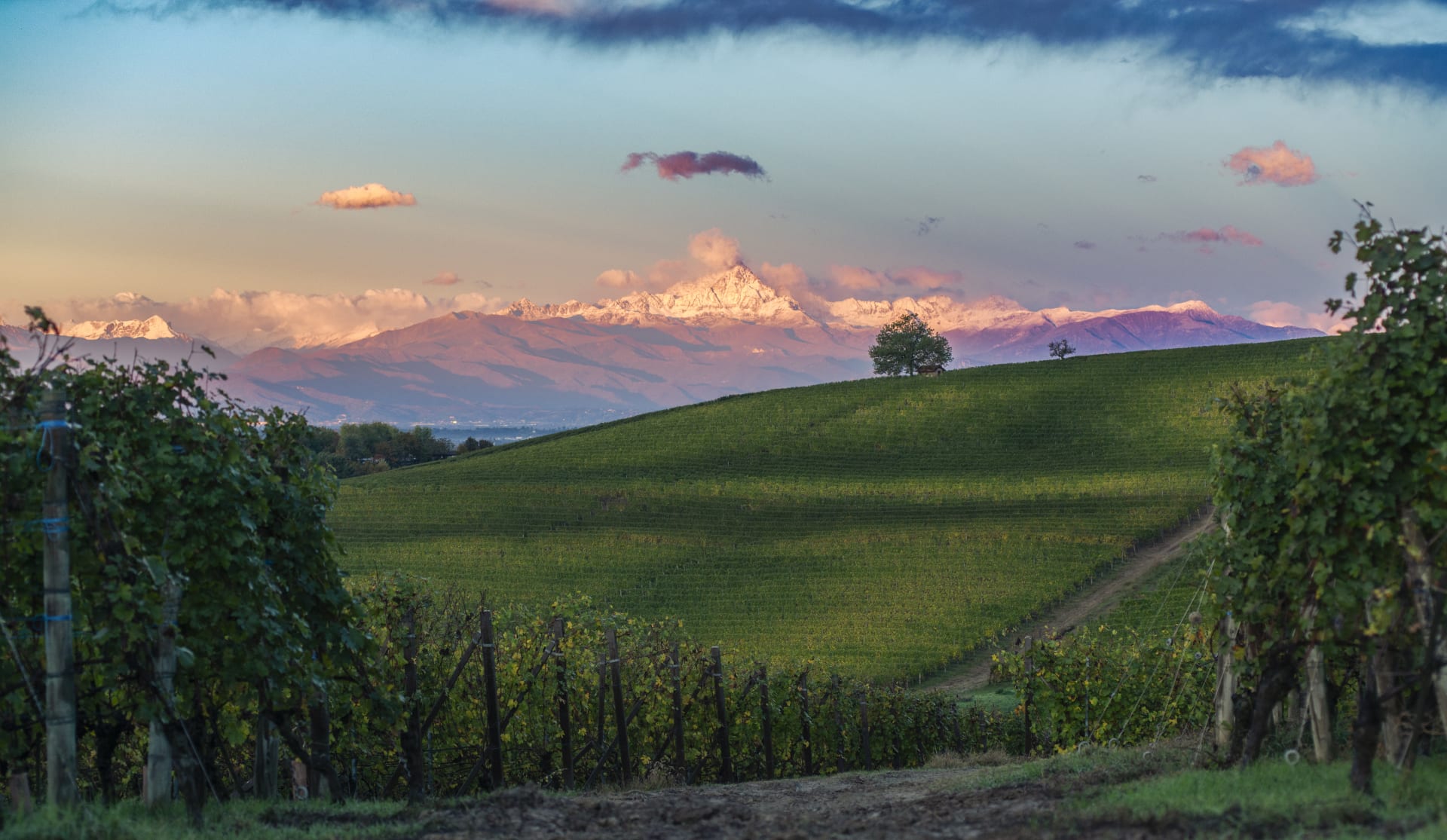




Responsible for some of the most elegant and age-worthy wines in the world, Nebbiolo, named for the ubiquitous autumnal fog (called nebbia in Italian), is the star variety of northern Italy’s Piedmont region. Grown throughout the area, as well as in the neighboring Valle d’Aosta and Valtellina, it reaches its highest potential in the Piedmontese villages of Barolo, Barbaresco and Roero. Outside of Italy, growers are still very much in the experimentation stage but some success has been achieved in parts of California. Somm Secret—If you’re new to Nebbiolo, start with a charming, wallet-friendly, early-drinking Langhe Nebbiolo or Nebbiolo d'Alba.

The center of the production of the world’s most exclusive and age-worthy red wines made from Nebbiolo, the Barolo wine region includes five core townships: La Morra, Monforte d’Alba, Serralunga d’Alba, Castiglione Falletto and the Barolo village itself, as well as a few outlying villages. The landscape of Barolo, characterized by prominent and castle-topped hills, is full of history and romance centered on the Nebbiolo grape. Its wines, with the signature “tar and roses” aromas, have a deceptively light garnet color but full presence on the palate and plenty of tannins and acidity. In a well-made Barolo wine, one can expect to find complexity and good evolution with notes of, for example, strawberry, cherry, plum, leather, truffle, anise, fresh and dried herbs, tobacco and violets.
There are two predominant soil types here, which distinguish Barolo from the lesser surrounding areas. Compact and fertile Tortonian sandy marls define the vineyards farthest west and at higher elevations. Typically the Barolo wines coming from this side, from La Morra and Barolo, can be approachable relatively early on in their evolution and represent the “feminine” side of Barolo, often closer in style to Barbaresco with elegant perfume and fresh fruit.
On the eastern side of the Barolo wine region, Helvetian soils of compressed sandstone and chalks are less fertile, producing wines with intense body, power and structured tannins. This more “masculine” style comes from Monforte d’Alba and Serralunga d’Alba. The township of Castiglione Falletto covers a spine with both soil types.
The best Barolo wines need 10-15 years before they are ready to drink, and can further age for several decades.