

Winemaker Notes
#45 Wine Spectator Top 100 of 2025
#1 Vinous Top 100 of 2025
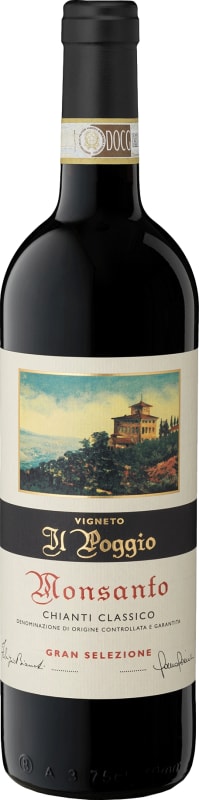
From the Chianti Classico Riserva DOCG, Tuscany Region in Italy, this Chianti Classico is made from Hand picked grapes selected at the optimum moment of the vintage. Fermentation takes place in stainless steel at controlled temperatures with about 25 days of skin contact. Ruby red in color, tending towards garnet. Intensely aromatic and complex with strong aromas of black cherry and apricot fruit. Full bodied with rich blackberry fruit flavors, an elegant mouthfeel and a strong backbone of tannins.
This red wine is an exceptional compliment to red meat, roasts, and game.
Blend: 95% Sangiovese, 5% Canaiolo & Colorino
Professional Ratings
-
Vinous
The 2020 Chianti Classico Gran Selezione Vigna Il Poggio is a total stunner. What a wine. Elegant and translucent, the 2020 impresses with a sublime, finessed personality that is impossible to miss. Fine tannins and lifted, sensual aromatics immediately announce a wine of utter class. On the palate, the 2020 is wonderfully deep and layered, with mind-blowing balance and exceptional pedigree. The 2020 is one of the very finest Il Poggios ever made. It has been nothing short of breathtaking on the two occasions I have tasted it so far. Don't miss it!
-
James Suckling
A restrained, reductive and transparent wine with aromas of roses, violets, rhubarb and chalky minerality. Supple and medium- to full-bodied on the palate, with elegant, velvety tannins and long, refreshing acidity that’s super juicy and tight in the finish. Tense and polished, with a touch of sternness in the aftertaste. Drinkable now, but best from 2026.
-
Wine Spectator
Balsamic aromas lead off, and this red stays on the savory side, revealing eucalyptus, juniper and wild herb notes. There’s a core of sweet fruit and an underlying mineral element as this builds to the excruciatingly long and complex aftertaste. Dense tannins and lively acidity endure its longevity. Sangiovese, Canaiolo and Colorino.
-
Robert Parker's Wine Advocate
The Castello di Monsanto 2020 Chianti Classico Gran Selezione Vigneto Il Poggio shows dark fruit and baked plum with a hint of barbecue spice or campfire ash. That barbecued or savory side runs strong in this vintage and is the result of a warm growing season coupled with the beginning of tertiary complexity (albeit slightly premature). I also get a hint of sweetness to close that makes a good contrast against that savory element. This wine is 95% Sangiovese and 5% Canaiolo and Colorino from the 5.2-hectare Il Poggio vineyard at 310 meters above sea level on Pietraforte soils (a hard compact sandstone that is characteristic of this area, especially at the higher elevations). It tends to impart deep color and structure to the wines from smaller, thick-skinned berries.
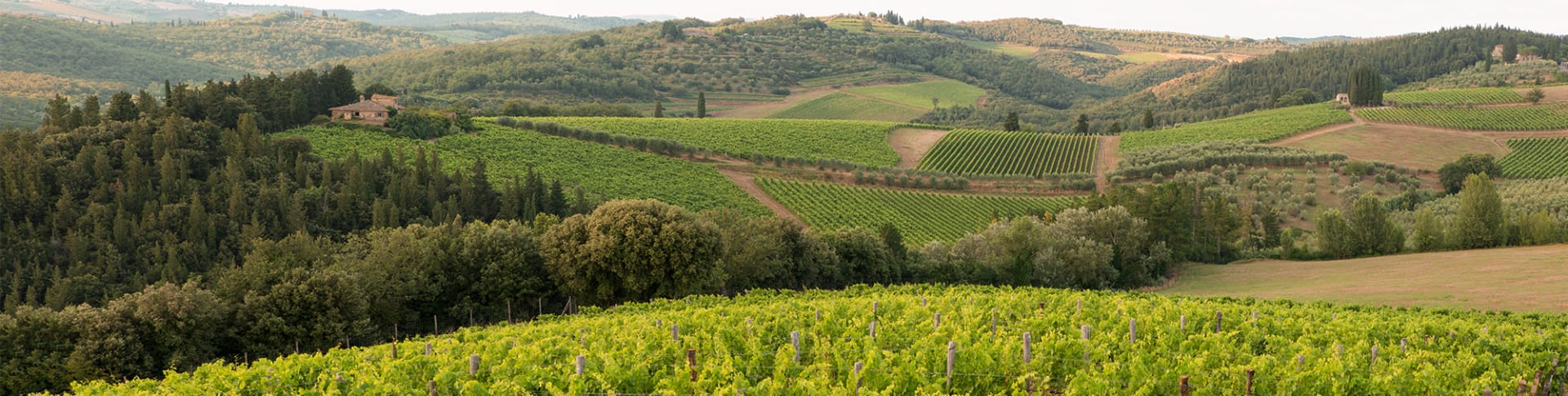




The Castello di Monsanto estate was established by Fabrizio Bianchi in the hillsides of Barberino Val d’Elsa in the province of Florence in the north-central reaches of the Chianti Classico denomination. Bianchi worked to clear a vineyard he named “Il Poggio” (“The Hill”), which would be utilized for production of a single vineyard wine riserva, the first example in Chianti Classico. Always the pioneer, Bianchi began to eliminate the white varieties, Malvasia and Trebbiano, from his Chianti Classico in 1968, preferring to use only the traditional red varieties of Sangiovese, Canaiolo and Colorino.
Cellar innovations in the early years included Slovenian casks for aging, instead of old chestnut barrel, as well as the introduction of stainless steel tanks for fermentation. Furthermore, Castello di Monsanto harvested the first 100% Cabernet Sauvignon, ‘Nemo,’ from the ‘Il Mulino’ vineyard. Today, the Monsanto estate totals 500 acres, of which slightly more than half are woods, while olive orchards occupy an additional 37 acres. Vineyards, situated between 800 and 1,000 feet above sea level, account for 175 acres. Three quarters of the plantings are Sangiovese, the basis for Chianti Classico, while Cabernet Sauvignon and Merlot are the next most widely planted varieties.
One of the most impressive components of Castello di Monsanto is the cellar and its underground tunnel, some 820 feet in length that serves as an aging cellar as well for a potential total of 1,500 barriques. This cave system, one of the most dazzling in all of Italy, took six years to build by hand. The gallery, connecting the new cellar with the original, is located underneath the castle and dates back to 1740.
Today, Fabrizio Bianchi and his daughter, Laura, represent the tradition and elegance that have been associated with the estate throughout its existence. “Il Poggio” was not just an innovation back in 1962; it truly represented a new vision for Chianti Classico. Today, each new vintage is eagerly anticipated as one of the very best bottlings of this wine type.
Each of the wines of Castello di Monsanto, from the award-winning Chianti Classico Riserva, to ‘Nemo’, a Super Tuscan, to the lush and exotic Vin Santo ‘La Chimera’, are true Tuscan treasures. Simply what you would expect from Castello di Monsanto, the grand jewel in the heart of Tuscany.

Among Italy's elite red grape varieties, Sangiovese has the perfect intersection of bright red fruit and savory earthiness and is responsible for the best red wines of Tuscany. While it is best known as the chief component of Chianti, it is also the main grape in Vino Nobile di Montepulciano and reaches the height of its power and intensity in the complex, long-lived Brunello di Montalcino. Somm Secret—Sangiovese doubles under the alias, Nielluccio, on the French island of Corsica where it produces distinctly floral and refreshing reds and rosés.

One of the first wine regions anywhere to be officially recognized and delimited, Chianti Classico is today what was originally defined simply as Chianti. Already identified by the early 18th century as a superior zone, the official name of Chianti was proclaimed upon the area surrounding the townships of Castellina, Radda and Gaiole, just north of Siena, by Cosimo III, Grand Duke of Tuscany in an official decree in 1716.
However, by the 1930s the Italian government had appended this historic zone with additonal land in order to capitalize on the Chianti name. It wasn’t until 1996 that Chianti Classico became autonomous once again when the government granted a separate DOCG (Denominazione di Origine Controllata e Garantita) to its borders. Ever since, Chianti Classico considers itself no longer a subzone of Chianti.
Many Classicos are today made of 100% Sangiovese but can include up to 20% of other approved varieties grown within the Classico borders. The best Classicos will have a bright acidity, supple tannins and be full-bodied with plenty of ripe fruit (plums, black cherry, blackberry). Also common among the best Classicos are expressive notes of cedar, dried herbs, fennel, balsamic or tobacco.