


Winemaker Notes
Pale straw in color with enticing aromas of fresh white florals, white nectarine, and red haven peach coupled with underlying nuances of damp earth and grey slate. On the palate, the wine presents both stone and pomaceous fruit in a strikingly seductive elixir, boasting a well-balanced viscosity which is fortified by a crisp, mineral backbone that lends tension through to a long, crystalline, and delightfully vibrant finish.
Blend: 94% Godello, 6% Loureiro
Professional Ratings
-
Tasting Panel
While salinity graces the front of the palate, creamy base of lemon verbena and cashew covers the back of the tongue. Orange blossom and chamomile are held upright by acidity and a grassy, lean profile before the finish of crisp pear.
-
Jeb Dunnuck
Pouring a bright yellow hue, the 2021 Godello Ribeira Sacra is mineral-driven and lifted with aromas of wet stone, white peach, pineapples, anise, and lemon oils. It also features a Riesling-like petrol note that I anticipate will intensify as the wine matures. Medium to full-bodied, it’s ripe and pure, with a juicy and rounded feel, as well as a long finish. It’s a textural white that can appeal to a Chardonnay palate, as it offers richness of texture and is stone-fruited, though its distinctive character sets it apart
-
James Suckling
A creamy nose with a touch of pastry to the sliced apples and lemon zest. Flavorful, broad and substantial, with a full body, bright acidity and a lengthy finish.
-
Vinous
The 2021 Godello Alvaredos-Hobbs hails from Ribeira Sacra and aged one year in oak barrels, one-third new. Aromatically fresh, it combines wild herb notes, crisp green apple and citrus touches. Delicate yet intense, fruit and freshness intertwine seamlessly in the glass. The 2021 shows promise, with hints of lime and hazelnut offering a more linear and refined profile, supported by oak structure.
-
Wine Spectator
There's a lush quality to this white's flavors of golden apple, creamed almond and vanilla, yet a spine of vivid acidity and a tangy streak of salinity trim the rich profile effortlessly. Fresh and well-balanced on the palate, with aromatic broom, ground ginger and Meyer lemon peel notes lingering on the finish. Godello and Loureiro. Drink now through 2029.
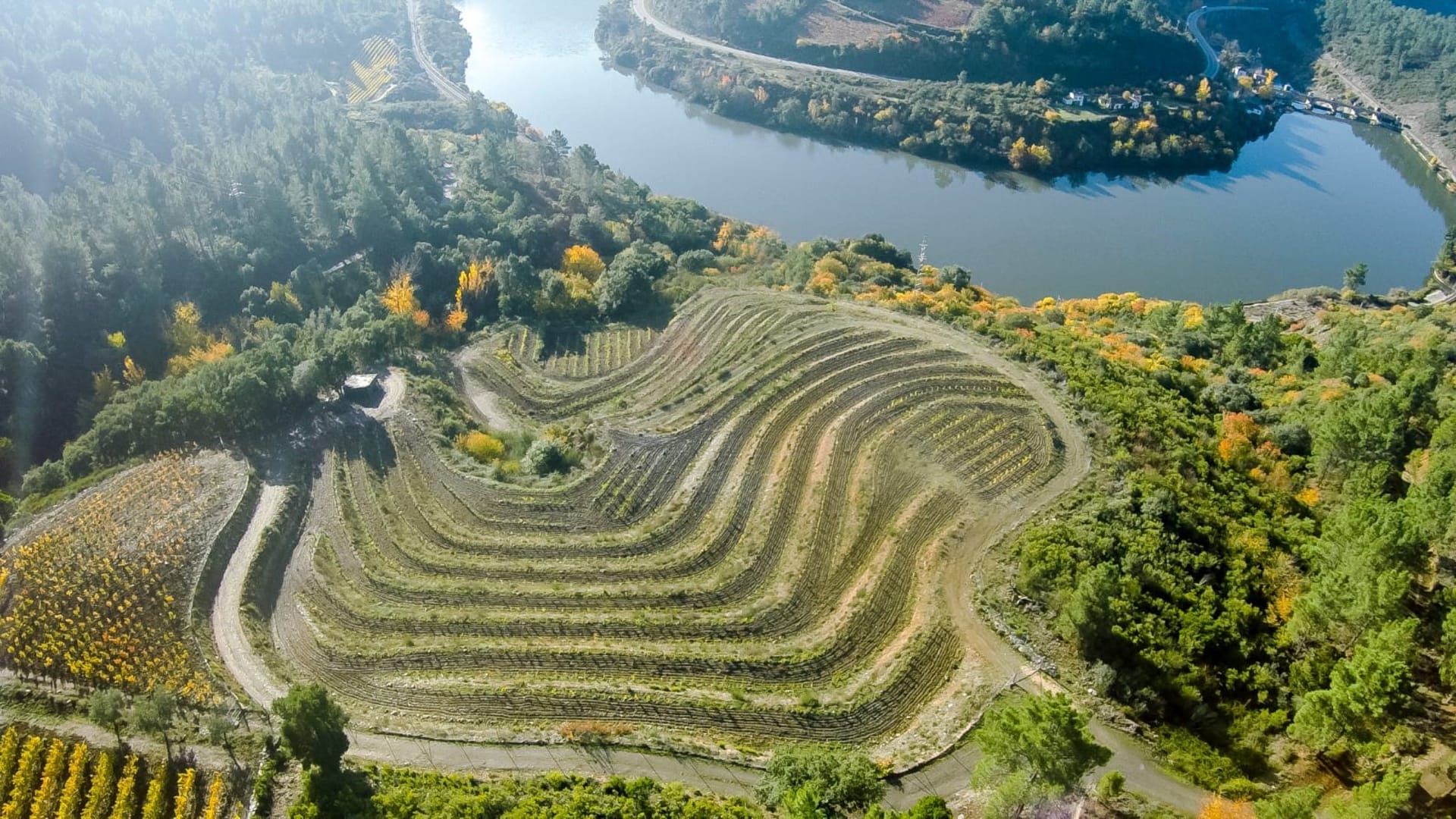


When acclaimed vintner Paul Hobbs arrived in Spain in 2015, he traveled to a remote village in the northwest region of Galicia. There, he met with Antonio Lopez, a local viticultor who introduced him to Alvaredos, a small town surrounded by mountains and vines planted on steep, terraced slopes. Together they explored the vineyards, smelled the soil, and quickly realized their mutual desire to unearth the potential held in these ancient sites and indigenous varieties.
After a long drive together back to Madrid, a lifelong partnership was established. After nearly 20 years, Antonio fulfilled his ardent desire to pay tribute to the small village and his grandfather who introduced him to the land when he was a child. The project also represents a new opportunity for Paul to champion one of the oldest and forgotten corners of viticulture in Spain by honoring its unique history while playing a role in elevating the region for present and future generations.

Godello is native to northwest Spain and has experienced a major revival in the last 20 years. Godello wines are typically sleek and lightly creamy in texture. Barrel fermentation and lees stirring are typical in Valdeorras, Spain where the grape comes from. These winemaking techniques make the most of Godello's inherent structure and help bring out its lovely floral character. Somm Secret—DNA profiling says that Spain’s Godello is actually identical to the Portugese grape variety Gouveio, which grows throughout the Douro and Dão (where it used to mistakenly be called Verdelho).

Located in the center of the Galician region in northern Spain, the Ribeira Sacra is one of Spain's most beautiful vineyard areas with stunningly breathtaking views. Vines are planted in the steep valleys and precipitous gorges of the Rivers Miño and Sil that wind through Galicia's lush green countryside. The Ribeira Sacra region has similar dramatic landscapes as the Mosel or Douro Valleys, but a more sparse population and a tranquility unmatched. The region gained official DO status in 1996.
Both white wine and red wine production are dominated by blends of local Galician grapes, with varietal wines being the exception. Today, while the region has seen some consolidation and modern stainless-steel equipment is widespread, winemaking remains artisanal. This reflects the tiny landholdings and farmhouse wineries, along with a traditional and predominantly organic approach to viticulture. With such low yields and often minuscule production levels, these wines are highly sought-after and can be difficult to find on the export market.
Ribeira Sacra DO’s principal white grape varieties tend to be highly fragrant and include Albariño, Doña Blanca, Godello, Loureira, Torrontés and Treixadura. Principal red grape varieties here include Mencía, Brancellao, Merenzao, Caiño, Sousón and Tempranillo.