Muscat / Moscato 8 Items

You're no longer following this brand
You'll no longer receive alerts for new arrivals and brand updates
- All White Wine
- Chardonnay 316
- Sauvignon Blanc 314
- Riesling 182
- Pinot Gris/Grigio 106
- Other White Blends 55
- Albarino 46
- Chenin Blanc 40
- Gruner Veltliner 25
- Other White Wine 22
- Rhône White Blends 19
- Semillon 18
- Melon de Bourgogne 15
- Viognier 15
- Gewurztraminer 14
- Assyrtiko 13
- Torrontes 13
- Bordeaux White Blends 12
- Pinot Blanc 11
- Godello 9
- Moschofilero 9
- Fiano 8
- Muscat clear Wine Type filter
- Garganega 6
- Arneis 5
- Furmint 5
- Cortese 4
- Falanghina 4
- Friulano 4
- Grenache Blanc 4
- Malvasia 4
- Greco 3
- Marsanne 3
- Verdicchio 3
- Arinto 3
- Picpoul 2
- Roussanne 2
- Verdejo 2
- Vermentino 2
- Vernaccia 2
- Viura 2
- Aligote 1
- Grechetto 1
- Trebbiano 1
- Verdelho 1
- Carricante 1
- Kerner 1
- Loureiro 1
- Ribolla Gialla 1
- Silvaner 1
-
Gift Type Any
-
Occasion Any
-
Variety Any
-
Varietal Muscat
-
Region Any
-
Availability Include Out of Stock
-
Size & Type Any
-
Fine Wine Any
-
Vintage Any
-
Reviewed By Wine & Spirits
-
Sort By Most Popular
-
 Ceretto Santo Stefano Moscato d'Asti (375ML half-bottle) 2008Asti, Piedmont, Italy ● Muscat
-
Wine
& Spirits
Ships Sun, Apr 19Limit 0 per customerSold in increments of 0 -
Wine
-
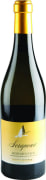 Marenco Scrapona Moscato d'Asti 2018Asti, Piedmont, Italy ● Muscat
-
Wine
& Spirits
4.2 Very Good (12)Ships Sun, Apr 19Limit 0 per customerSold in increments of 0 -
Wine
-
 Robert Mondavi Moscato d'Oro (375ML half-bottle) 2011Napa Valley, California ● Muscat
-
Wine
& Spirits -
Tasting
Panel
Ships Sun, Apr 19Limit 0 per customerSold in increments of 0 -
Wine
-
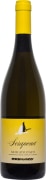 Marenco Scrapona Moscato d'Asti (375ML half-bottle) 2018Asti, Piedmont, Italy ● Muscat
-
Wine
& Spirits
4.5 Fantastic (7)Ships Sun, Apr 19Limit 0 per customerSold in increments of 0 -
Wine
-
 Ships Sun, Apr 19Limit 0 per customerSold in increments of 0
 -
 Ships TomorrowLimit 0 per customerSold in increments of 0
 -
 Ships Sun, Apr 19Limit 0 per customerSold in increments of 0
 -
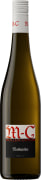 Muller-Catoir Haardt MC Muskateller Trocken 2020Pfalz, Germany ● Muscat
-
James
Suckling -
Wine
& Spirits
3.5 Very Good (10)- Green
- Screw Cap
Ships Sun, Apr 19Limit 0 per customerSold in increments of 0 -
James
Browse by Category
Red White Sparkling Rosé Spirits GiftsLearn about Muscat / Moscato — taste profile, popular regions and more ...
Alluringly aromatic and delightful, Muscat wine never takes itself too seriously. Muscat is actually an umbrella name for a diverse set of grapes, some of which are genetically related and some of which, are not. The two most important versions are the noble, Muscat Blanc à Petits Grains, and Muscat of Alexandria, thought to be a progeny of the former. Both are grown throughout the world and can be made in a wide range of styles from dry to sweet, still to sparkling and even fortified. Muscat wine is well-known in Italy's Piedmont region (where it goes by Moscato) mainly as Moscato d’Asti, a slightly sparkling, semi-sweet, refreshing wine low in alcohol. On the Iberian Peninsula, it goes by Moscatel, not to be confused with Muscadelle from Bordeaux, which is actually unrelated.
Tasting Notes for Muscat / Moscato
Muscat / Moscato makes a dry, sweet or sparkling white wine. Regardless, Muscat wines always possess marked aromatics of rose petal, jasmine, honeysuckle or orange blosson. These wines can have flavors of peach, pear, Meyer lemon, orange and lychee, often with a hint of sweet spice.
Perfect Food Pairings for Muscat
Muscat is a perfect match for Asian cuisine and other spicy foods. Off-dry wines can work well with lighter desserts like key lime pie and lemon meringue, while fully sweet Muscat / Moscato-based dessert wines are enjoyable after dinner with an assortment of cheeses.
Sommelier Secrets for Muscat / Moscato
Muscat wine is one of the oldest known grape varieties, dating as far back as the days of the ancient Greeks and Romans. Pliny the Elder wrote in the 13th century of a sweet, perfumed grape variety so attractive to bees that he referred to it as uva apiana, or “grape of the bees.” Most likely, he was describing one of the Muscat wine varieties.