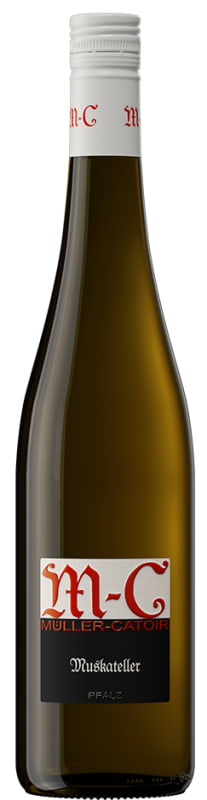


Winemaker Notes
A Muskateller for beginners: delicate Muskatelleraromatik underlaid with rose fragrance, green grass, elegantly fine body, on the finish minerally fresh. The ideal summer wine!
Organically grown
Professional Ratings
-
James Suckling
Absurdly strong for a village wine, this has a truly mind-boggling nose of exotic fruit (star fruit, passion fruit and mangosteen) and tropical flowers. A dry white essence of the muscat grape with lightning strike freshness that dazzles with its concentration and delicacy. Nature is strong! Drink or hold.
-
Wine & Spirits
This is sophisticated muscat, balancing its floral tones with peppery spice and crisp grapefruit acidity, its lithe body filled with a weightless umami richness. Restrained without losing its charm (or charming without being wafty), it’s a terrific aperitif or match for leafy salads.


While Muscat comes in a wide range of styles from dry to sweet, still to sparkling and even fortified, it's safe to say it is always alluringly aromatic and delightful. The two most important versions are the noble, Muscat Blanc à Petits Grains, making wines of considerable quality and Muscat of Alexandria, thought to be a progeny of the former. Somm Secret—Pliny the Elder wrote in the 13th century of a sweet, perfumed grape variety so attractive to bees that he referred to it as uva apiana, or “grape of the bees.” Most likely, he was describing Muscat.

This sunny and relatively dry region served for many years as a German tourist mecca and was associated with low cost, cheerful wines. But since the 1980s, it has gained a reputation as one of Germany’s more innovative regions, which has led to increased international demand.