Falanghina 2 Items

You're no longer following this brand
You'll no longer receive alerts for new arrivals and brand updates
- All White Wine
- Sauvignon Blanc 155
- Chardonnay 133
- Pinot Gris/Grigio 54
- Other White Blends 48
- Torrontes 37
- Riesling 26
- Bordeaux White Blends 15
- Vermentino 15
- Chenin Blanc 13
- Rhône White Blends 13
- Verdejo 13
- Albarino 12
- Garganega 11
- Viura 8
- Gruner Veltliner 7
- Viognier 6
- Inzolia 6
- Muscat 4
- Pinot Blanc 4
- Vernaccia 4
- Picpoul 3
- Trebbiano 3
- Friulano 2
- Grenache Blanc 2
- Grillo 2
- Falanghina clear Wine Type filter
- Arneis 1
- Cortese 1
- Furmint 1
- Godello 1
- Greco 1
- Other White Wine 1
- Semillon 1
- Fiano 1
- Loureiro 1
- Ribolla Gialla 1
-
Gift Type Any
-
Occasion Any
-
Variety Any
-
Varietal Falanghina
-
Region Any
-
Availability Include Out of Stock
-
Size & Type Standard (750ml)
-
Fine Wine Any
-
Vintage Any
-
Reviewed By James Suckling
-
Sort By Most Popular
-
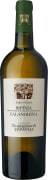 Ships Thu, Apr 16Limit 0 per customerSold in increments of 0
 -
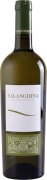 Ships Tue, Apr 21Limit 0 per customerSold in increments of 0
Browse by Category
Red White Sparkling Rosé Spirits GiftsLearn about Falanghina — taste profile, popular regions and more …
Thriving in Campania, Falanghina grows widely throughout the region. Near Naples, along the slopes of Mount Vesuvius, it is commonly used for blends; local grapes called Verdeca, Coda di Volpe and Greco take well to its addition. On the Amalfi Coast, it is added to Biancolella as well as Greco. Around Avellino, it can be made into single varietal versions, like its compatriots: Fiano and Greco.
Tasting Notes for Falanghina
Falanghina is a dry, white wine with alluring piney resin and citrus blossom fragrances. On the palate, it is full of juicy and refreshing peach and lemon qualities.
Perfect Food Pairings for Falanghina
Try it with a classic Caprésé salad of mozzarella, heirloom tomato and fresh basil, shellfish, pesto pasta dishes and anything with feta.
Sommelier Secrets for Falanghina
Thought to be an ancient transplant from Greece, the grape takes its name from the Greek word, phalanga, meaning stake or pole, in reference to the Greek method of training vines to single stakes.