Meerlust 1 Items

You're no longer following this brand
You'll no longer receive alerts for new arrivals and brand updates


- Non-Vintage 29
- 2025 13
- 2024 68
- 2023 132
- 2022 195
- 2021 212
- 2020 237
- 2019 227
- 2018 236
- 2017 230
- 2016 358
- 2015 820
- 2014 1097
- 2013 1188
- 2012 1112
- 2011 972
- 2010 825
- 2009 752
- 2008 564
- 2007 459
- 2006 377
- 2005 298
- 2004 221
- 2003 189
- 2002 128
- 2001 111
- 2000 90
- 1999 57
- 1998 51
- 1997 29
- 1996 18
- 1995 5
- 1994 2
- 1993 clear Vintage filter
- 1992 1
- 1984 1
-
Gift Type Any
-
Occasion Any
-
Variety Any
-
Varietal Any
-
Region South Africa
-
Availability Include Out of Stock
-
Size & Type Any
-
Fine Wine Any
-
Vintage 1993
-
Reviewed By Any
-
Sort By Most Popular
-
 Ships Mon, Jan 1Limit 0 per customerSold in increments of 0
Browse by Category
Red White Sparkling Rosé Spirits GiftsMeerlust is one of South Africa's most famous and historical wine esta...
Meerlust is one of South Africa's most famous and historical wine estates. The land where the farm is now situated was originally owned by a powerful and wealthy free burgher named Henning Huising. After his death in 1713 the estate passed through many hands until it was bought in 1756 by Johannes Albertus Myburgh - and has remained in the Myburgh family ever since.
Nicholaas Myburgh (7th generation of the Myburgh family, and father of present owner Hannes Myburgh) took over the farm in 1950, but the condition of the property had declined severely from its 18th century splendor. Nicolaas set about an extensive restoration of both the buildings and the vineyards. One of his first projects was the construction of a damn that allows for irrigation in exceptionally dry years, but is usually used only after the vintage. He also replanted the vineyards with mainly red varietals.
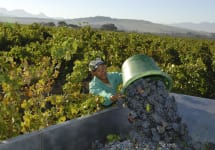
The farm is approximately 15 kilometers outside Stellenbosch, and is the Stellenbosch estate nearest the Indian Ocean (the name Meerlust is of German origin, and translates to "pleasure of the sea"). The cooling breezes off False Bay allow a slower, steadier ripening period for the grapes. This translates to less loss of fruit aromas, and there is also a lesser risk of a crop being ruined in the event of a sudden, dramatic rise in temperature.