Roussillon South of France 1 Items

You're no longer following this brand
You'll no longer receive alerts for new arrivals and brand updates
- Non-Vintage 3
- 2025 clear Vintage filter
- 2024 9
- 2023 13
- 2022 24
- 2021 27
- 2020 34
- 2019 31
- 2018 31
- 2017 33
- 2016 25
- 2015 63
- 2014 99
- 2013 102
- 2012 94
- 2011 83
- 2010 62
- 2009 46
- 2008 35
- 2007 27
- 2006 24
- 2005 24
- 2004 12
- 2003 10
- 2002 8
- 2001 8
- 2000 6
- 1999 3
- 1998 4
- 1997 1
- 1996 1
- 1995 2
- 1994 2
- 1993 1
- 1992 1
- 1987 1
- 1986 1
- 1984 1
- 1979 1
- 1977 1
- 1976 1
- 1972 1
- 1969 1
- 1966 1
- 1962 1
- 1961 1
- 1960 1
- 1949 1
- 1945 1
- 1933 1
-
Product Types Any
-
Gift Type Any
-
Occasion Any
-
Curated Set Contents Any
-
Spirit Type Any
-
Wine Type Any
-
Region Roussillon
-
Availability Include Out of Stock
-
Size & Type Any
-
Fine Wine Any
-
Vintage 2025
-
Reviewed By Any
-
Sort By Most Popular
-
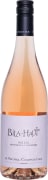 Bila-Haut by Michel Chapoutier Pays d'Oc Rose 2025Roussillon, South of France, France ● Rosé4.9 Fantastic (27)
- Green
Ships TomorrowLimit 120 per customerSold in increments of 0
Browse by Category
Red White Sparkling Rosé Spirits GiftsLearn about Roussillon wine, common tasting notes, where the region is and more ...
Defined by the rugged eastern edge of the Pyrenees Mountains and near-constant sunshine, Roussillon is a region rich in Spanish history and influence. In fact, the Roussillon people mainly identify with being Catalan rather than French or Occitan.
Roussillon has been a culture of viticulture since the 7th century BC and not surprisingly, highly influenced by Spain in their winemaking techniques and wine styles. Furthermore, the arid, exposed, steep and uneven valleys of this so-called Pyrénées-Orientales zone, guarantee that grape yields are low and berries are small and concentrated. The region was quick to adopt a specific fortification process (locally called mutage), introduced by a Catalan physician in the 13th century. Seen as beneficial to the region’s whites, soon Roussillon also applied the process to the vinification of Grenache. Mutage involves fortifying the grape must (or must and skins together depending on desired effect) with a neutral grape spirit to arrest fermentation, resulting in a slightly sweet, high alcohol (15-18%), but still varietally expressive and aromatically complex wine called, vin doux naturel. Two clones of Muscat and Grenache of various colors are mainly responsible for the excellent vins doux naturels in the notable sub-appellations of Rivesaltes, Banyuls and Maury.
More recently modern winemaking techniques, coupled with a near perfect climate and optimal soils, altitudes and exposures have allowed Roussillon to quickly escalate the quality and popularity of its dry red wines as well, namely those of Maury, Cotes du Roussillon-Villages and Collioure.