Medoc Wine 2 Items
You're no longer following this brand
You'll no longer receive alerts for new arrivals and brand updates
-
Gift Type Any
-
Occasion Any
-
Variety Any
-
Varietal Red Wine
-
Region Medoc
-
Availability Ships Anytime
-
Size & Type Standard (750ml)
-
Fine Wine Any
-
Vintage Any
-
Reviewed By James Suckling
-
Sort By Most Interesting
-
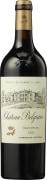 Chateau Belgrave 2015Medoc, Bordeaux, France ● Bordeaux Red Blends
-
James
Suckling -
Wine
Enthusiast - Decanter
-
Robert
Parker
Ships Thu, Apr 16Limit 0 per customerSold in increments of 0 -
James
-
 Chateau Blaignan 2019Medoc, Bordeaux, France ● Bordeaux Red Blends
-
Wine
Enthusiast -
James
Suckling -
Wilfred
Wong -
Wine
Spectator
4.3 Very Good (112)Ships TomorrowLimit 0 per customerSold in increments of 0 -
Wine
Browse by Category
Red White Sparkling Rosé Spirits GiftsLearn about Medoc wine, common tasting notes, where the region is and more ...
One of the most—if not the most—famous red wine regions of the world, the Medoc reaches from the city of Bordeaux northwest along the left bank of the Gironde River almost all the way to the Atlantic. Its vineyards climb along a band of flatlands, sandwiched between the coastal river marshes and the pine forests in the west. The entire region can only claim to be three to eight miles wide (at its widest), but it is about 50 miles long.
While the Medoc encompasses the Haut Medoc, and thus most of the classed-growth villages (Margaux, Moulis, Listrac, St-Julien, Pauillac and St. Estephe) it is really only those wines produced in the Bas-Medoc that use the Medoc appellation name. The ones farther down the river, and on marginally higher ground, are eligible to claim the Haut Medoc appellation, or their village or cru status.
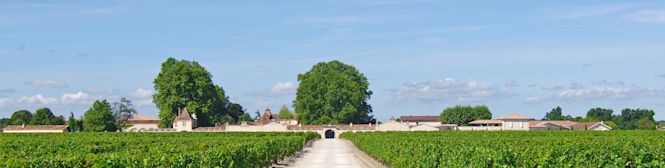
While the region can’t boast a particularly dramatic landscape, impressive chateaux disperse themselves among the magically well-drained gravel soils that define the area. This optimal soil draining capacity is completely necessary and ideal in the Medoc's damp, maritime climate. These gravels also serve well to store heat in cooler years.