Lebanese Wine 2 Items

You're no longer following this brand
You'll no longer receive alerts for new arrivals and brand updates
- All Nested Region
- Italy 9629
- California 6251
- France 6006
- Argentina 2068
- Spain 1906
- Chile 1131
- Australia 1035
- Oregon 1005
- Washington 920
- New Zealand 379
- South Africa 151
- Portugal 116
- Other U.S. 56
- Uruguay 55
- Israel 37
- Germany 36
- Greece 24
- Austria 17
- China 7
- Slovenia 6
- Other 3
- Hungary 2
- Lebanon clear Nested Region filter
-
Gift Type Any
-
Occasion Any
-
Variety Any
-
Varietal Red Wine
-
Region Lebanon
-
Availability Include Out of Stock
-
Size & Type Any
-
Fine Wine Any
-
Vintage Any
-
Reviewed By James Suckling
-
Sort By Most Interesting
-
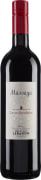 Massaya Le Colombier Rouge 2021Lebanon ● Other Red Blends
-
James
Suckling
3.5 Very Good (10)- Screw Cap
Ships Thu, Apr 16Limit 0 per customerSold in increments of 0 -
James
-
 Ships today if ordered in next 2 hoursLimit 0 per customerSold in increments of 0
Browse by Category
Red White Sparkling Rosé Spirits GiftsLearn about Lebanese wine, common tasting notes, where the region is and more ...
Home of the actual, historical temple of Bacchus, which dates back to the middle of the 2nd century AD, the Bekaa Valley today continues to represent the center of Lebanese winemaking. Here summers are dry, nights cool and consistent rainfall provides an excellent environment for viticulture.
What today is known geographically as Lebanon, was the original home of the Phoenicians (approximately 1550 to 300 BC), who were sea-faring merchants and the first to trade wine as a commodity. Jumping to the Middle Ages (476 to 1453 AD), Lebanese wine continued to be of high value for Venice merchants, who sold it to the eager European buyers. But in 1517, when the Ottoman Empire took command in Lebanon, winemaking came to a halt. Christians were the only ones allowed to make it, and only for religious purposes.
The foundations of the modern Lebanese wine industry come from the mid-19th century Jesuit missionaries of Ksara, who introduced new varieties and production methods from the then French-dominated Algeria. Today French varieties still prevail with Cinsault, Carignan, Cabernet Sauvignon, Merlot and Syrah as the main red grape varieties and Ugni blanc, Chardonnay, Sauvignon blanc and Viognier as the main whites.
While Chateau Musar was the only producer to survive the Lebanese 15 year-long civil war, the 1990s saw an emergence of new producers such as Chateau Kefraya, Chateau Ksara and new investment from major French producers.