Giacosa Fratelli 2 Items
You're no longer following this brand
You'll no longer receive alerts for new arrivals and brand updates


- James Suckling 6
- Wine Spectator 2
- Wine Enthusiast 2
- Robert Parker's Wine Advocate clear Publication filter
- Vinous 1
-
Gift Type Any
-
Occasion Any
-
Spirit Type Any
-
Wine Type Any
-
Region Barolo
-
Availability Include Out of Stock
-
Size & Type Standard (750ml)
-
Fine Wine Any
-
Vintage Any
-
Reviewed By Robert Parker's Wine Advocate
-
Sort By Most Popular
-
 Giacosa Fratelli Barolo Bussia 2015Barolo, Piedmont, Italy ● Nebbiolo
-
Wine
Spectator -
Robert
Parker -
James
Suckling
Ships Wed, May 20Limit 0 per customerSold in increments of 0 -
Wine
-
 Ships Wed, May 20Limit 0 per customerSold in increments of 0
Browse by Category
Red White Sparkling Rosé Spirits GiftsGiacosa Fratelli is a fifth-generation, family-owned winery in Piedmon...
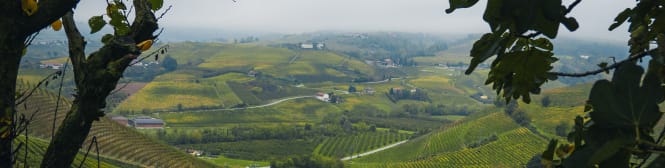
Giacosa Fratelli is a fifth-generation, family-owned winery in Piedmont, Italy, where tradition, place, and sustainability come together in every bottle.
The story begins in 1895, when Giuseppe Giacosa—a local sharecropper—won the Italian lottery and used the prize to buy a small winery in Neive. More than a century later, the Giacosa family still farms these same hills, now led by brothers Maurizio and Paolo alongside the next generation, twins Alessandro and Mauro.
Today, Giacosa Fratelli owns organic vineyards across some of Piedmont's most celebrated appellations, including Monforte d'Alba and Castiglione Falletto in Barolo, and Neive in Barbaresco. Their vines grow in highly prized sites such as the Scarrone cru (Castiglione Falletto) — an elevated, south-facing hillside known for producing wines of depth, elegance, and remarkable aging potential. Additional vineyards, like Bussia (Monforte d'Alba) and Gianmate (Neive) allow the family to craft a diverse lineup that truly reflects Piedmont's terroir.
What truly sets Giacosa Fratelli apart is their deep commitment to sustainability. The winery is powered by solar energy, captures its own CO2 emissions, and uses rainwater recycling for irrigation. Organic viticulture and lightweight bottles further reduce their environmental footprint.