To taste wine, look at its color against a white background, swirl and smell it, then taste it. At home, taste wines in order of body, from light to full, so the lighter wines are not overwhelmed, and try formats such as several grapes side by side, one grape from several regions, or a horizontal or vertical tasting.
Professional tasters use this process to judge a wine's quality and rate it against similar wines. You can use the same steps to work out what you like or dislike about a wine.
At a glance
Look: color and its intensity hint at the grape and the wine's age.
Swirl and smell: fruit first, then spice and wood, then savory notes.
Taste: notice body, acidity, tannin and finish.
Taste in order of body, from light to full.
Try a blind tasting once you know a few grapes and styles.
1. Look at the Wine
Pour a few ounces into a glass and hold it against a white background.
Is the wine deep purple, ruby red or brownish brick? Pale green, lemon or gold? The color and its intensity point to the grape variety and the wine's age. With age, all wines, red and white, turn more brown: reds typically fade in intensity, and whites grow darker.
Swirl the wine gently and look for the legs that run down the sides of the glass. The longer they linger, the more viscous the wine, which indicates higher alcohol and typically a fuller body.
2. Swirl and Smell
Swirl the wine again to release its aromas, and give it a good sniff. Smelling previews the taste and tells you a bit about how the wine was made.
Fruit first. These aromas are usually the most obvious. Red fruit or black fruit? Citrus or peach? Fresh fruit or dried?
Spice and wood. Look for spices (vanilla, clove, chocolate) and wood (cedar, smoke). These come from winemaking, such as oak aging. In white or sparkling wines you may also notice biscuit notes or creaminess, from yeast and malolactic fermentation.
Savory notes. Smell again for earth, mushroom, tobacco and even meat or petrol. These aromas typically develop with age.
3. Taste the Wine
Now take a sip. How do the flavors differ from the aromas you smelled? Is anything new? Is the wine actually sweet, or did you only sense sweetness in the aromas?
Body. Swish the wine around and think about its weight on your tongue. Light and watery, or thick and viscous? That weight is the wine's body.
Acidity. Swallow and notice how quickly you salivate. If it starts right away, that is acidity.
Tannin. A lingering astringency on your tongue is tannin. The silkier and finer the tannins, the faster the feeling fades.
Finish. How long do the flavors last? This is the finish, and the longer the better.
Most important of all: do you enjoy the wine?
4. Host a Tasting at Home
There is no single right way to organize a wine tasting, but there is one rule: taste the wines in order of body, from light to full. The delicate aromas and flavors of lighter wines are overwhelmed if you go the other way.
As you get to know different grapes and styles, try your next tasting blind: cover the bottles and their labels before you pour, and test yourself on which wine is which. For more ideas, see our guide to hosting a wine tasting.
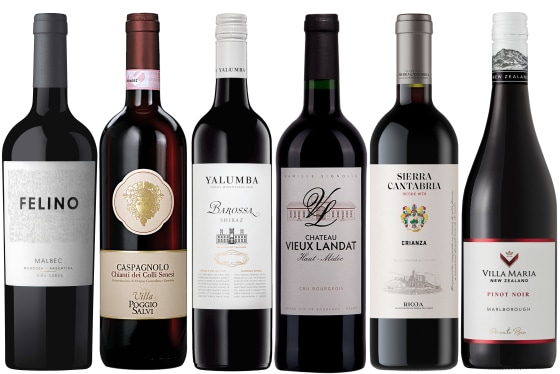
A ready-made set of red wines from different grapes and places, a simple starting point for a side-by-side tasting at home.
5. Three More Ways to Taste
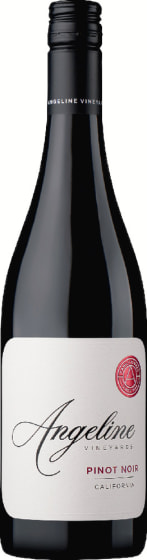
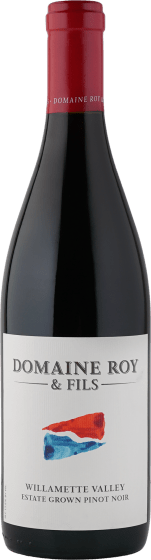
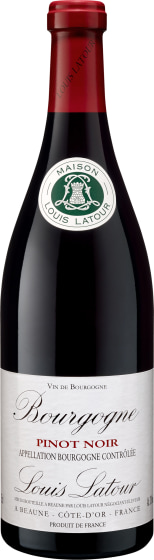
Around-the-world tasting. Choose several bottles of the same grape from as many wine regions as practical, for example Pinot Noir from California, Oregon, France and Germany. This shows the stylistic differences found across the world.
Horizontal tasting. Pick a single region, grape and vintage, and taste wines from several producers. The differences may be subtle, but they highlight each producer's style and winemaking.
Vertical tasting. Taste several vintages of the same wine side by side. This shows the effects of bottle aging and of year-to-year weather.